SSP Diaries | Protecting our lifeline in the aftermath of Hurricane Melissa
Loading article...
-
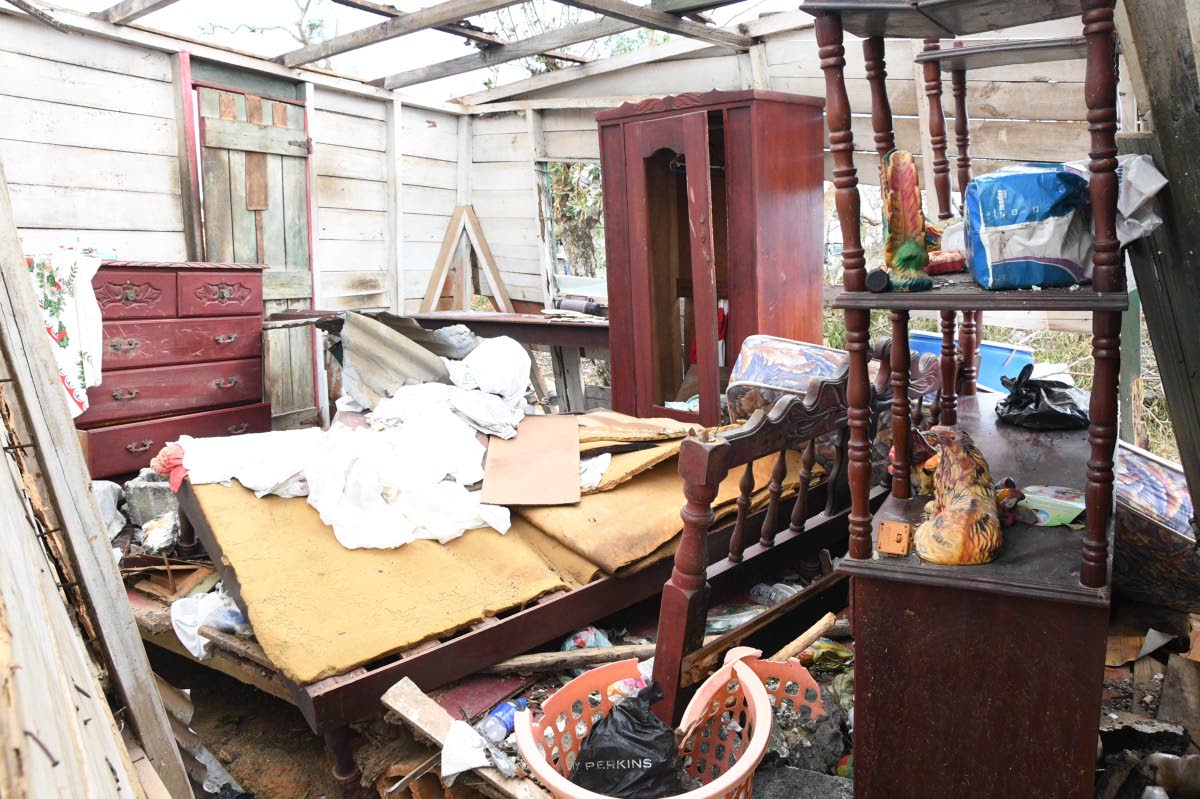 Hurricane Melissa’s violent winds tore through this house.
-

I HAVE seen death and destruction throughout my life but what has been experienced in Western Jamaica because of Hurricane Melissa cannot be described in mere words. The loss of life, the greatest of the tragedies, the destruction of homes, business places, community infrastructure and agricultural produce, has left me speechless. There is difficulty in identifying with what one has never experienced in the magnitude now revealed. My sympathies go out to all those persons that have suffered losses of one kind or another and I encourage all the survivors to thank God for his mercies and to pray for a swift recovery. As people, we will rise again and this time stronger, but we must chart a proper course.
Prior to Melissa’s arrival, people complained of price hikes and the Government moved to prevent this practice which has become common once disaster threatens. Greed continues to impact our psyche, threatening our ability to survive life-threatening events, a moral and ethical dilemma. Whereas action was taken on the part of our leadership, the public needs to hear where the laws were enforced and against whom. The event has come and gone; we now must deal decisively with its aftermath and prepare for the future.
POLITICAL PARTISANSHIP
In the delivery of a recovery ‘package’, it is essential that the effort be void of political partisanship, as to the best of my knowledge Melissa did not discriminate! The Office of Disaster and Emergency Management (ODPEM), is the entity that is charged with receiving, cataloguing and distribution of hurricane relief. There are many agencies supporting this effort.
This is a huge task as international and local aid come in many shapes and forms based upon the assessed needs to be satisfied in a recovery plan. The media has reported on the many resources that are pouring into the country which will have to be stored and made ready for distribution in the shortest possible time. Many people have no means of shelter, no food, no relatives or support mechanisms to rely on. Resources remaining in storage any longer than necessary will be an indictment upon those responsible for providing for those in need. Worse yet, tardiness could contribute to a further loss of life.
The ODPEM distribution mechanism must therefore reflect the effectiveness and efficiencies of a system geared to serve its people while ensuring recovery. As an arm of government, this resource is critical to recovery, prioritising aid distribution to the affected areas to reduce life-threatening scenarios, providing food and shelter material so people can commence rebuilding. It should also cater for the population’s health needs by deploying medical care where needed. Western Jamaica, for example, will, in my humble estimation, require at least four field-type hospitals with staff and a similar number of facilities to deal with the control of disease-bearing mosquitoes. There must be a sense of urgency displayed in getting help to people and communities in need, if we are to avert an increase in crimes, the likes of stealing, rioting, looting, burglary and even homicides as the ‘law of survival’ kicks in. The effort must be proactive.
ODPEM alone cannot ensure full recovery. The civil service, in general, must awaken from its malaise and realise that it is no longer in a business-as-usual situation. People need services and these must be provided in reasonable time and manner. Having said that, the destruction of the Parish Council buildings in Black River provide a good example. Yes, there is the inevitable loss of documents/records, but this should not prevent the relocation of this facility to a convenient location, immediately, to provide what services it can to the people. The same thing applies to the courts and other legal institutions. The private sector, businesses/industries, even though impacted, must also step up and be counted as an entity aiding recovery through accepted and approved coordinated mechanisms, focusing upon the safety and sustenance of humanity rather than enhancing the brand. The behaviours of the ordinary people being displayed in communities, their willingness to help one another, work in unison to clean their surroundings and care for the aged/destitute, without seeking accolades or compensation, are profound examples to be emulated by our corporate world. This is and has always been a part of our culture, but only displayed in times of adversity. Let us work to make it a part of our daily actions.
HEALING AND RECOVERY
The 14 days following a disaster represent the critical period, people will start to lose their patience if not reached during this time span. Constant communications of what they can and should expect from their government, workplace support systems, etc., goes a far way in fostering peace and understanding while averting the possibility of crime and violence. We don’t need to make the work of Ministries of Foreign Affairs, Labour and Social Security, Health, National Security or agencies such as the JCF and JDF any more difficult than they are currently. Identifying with the sufferings of our people in Jamaica impacted adversely by Hurricane Melissa, being compassionate and understanding of their needs and committing to do our very best to alleviate the pains of the experiences, go a far war in the healing and recovery process. It is my hope that despite our troubles, we will all have a happy and peaceful Christmas this year.