Norris R. McDonald |Maduro, Venezuela and god-king Trump’s imperial rampage
Loading article...
-
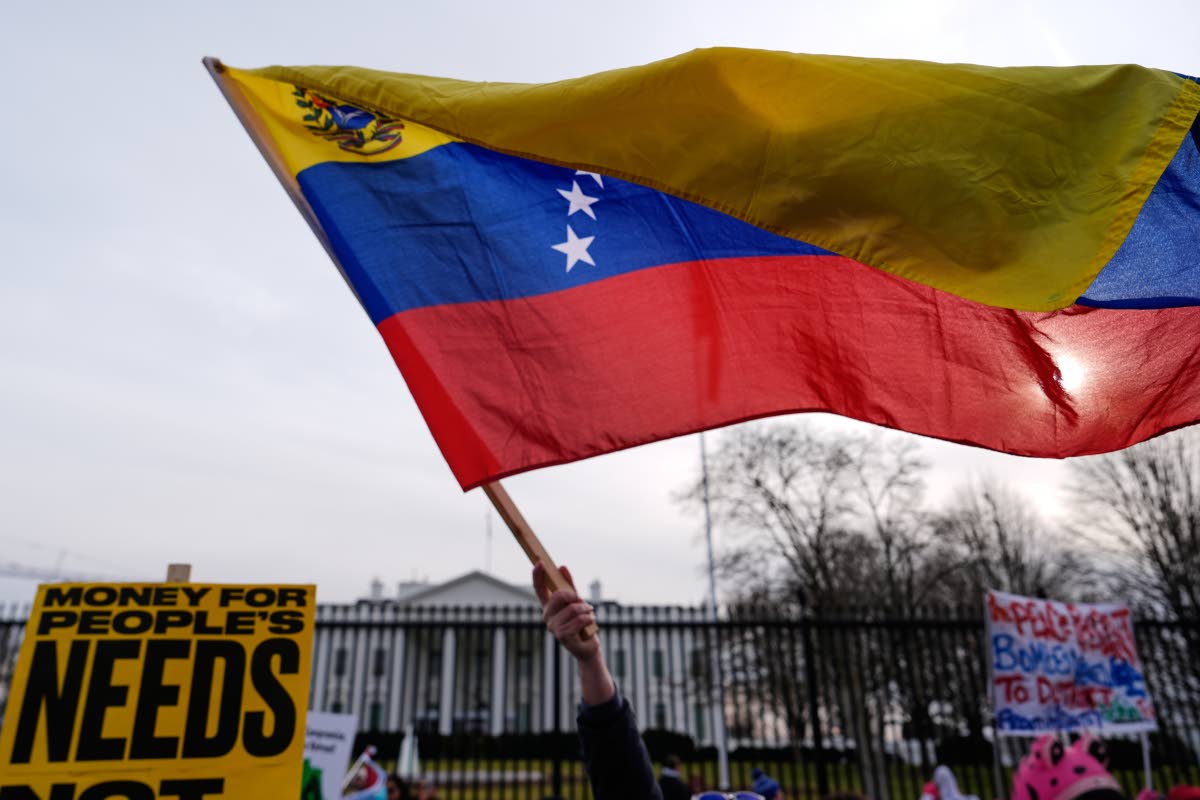 Protesters rally outside the White House on Saturday, January 3 in Washington, after the US captured Venezuelan President Nicolás Maduro and his wife in a military operation.
-
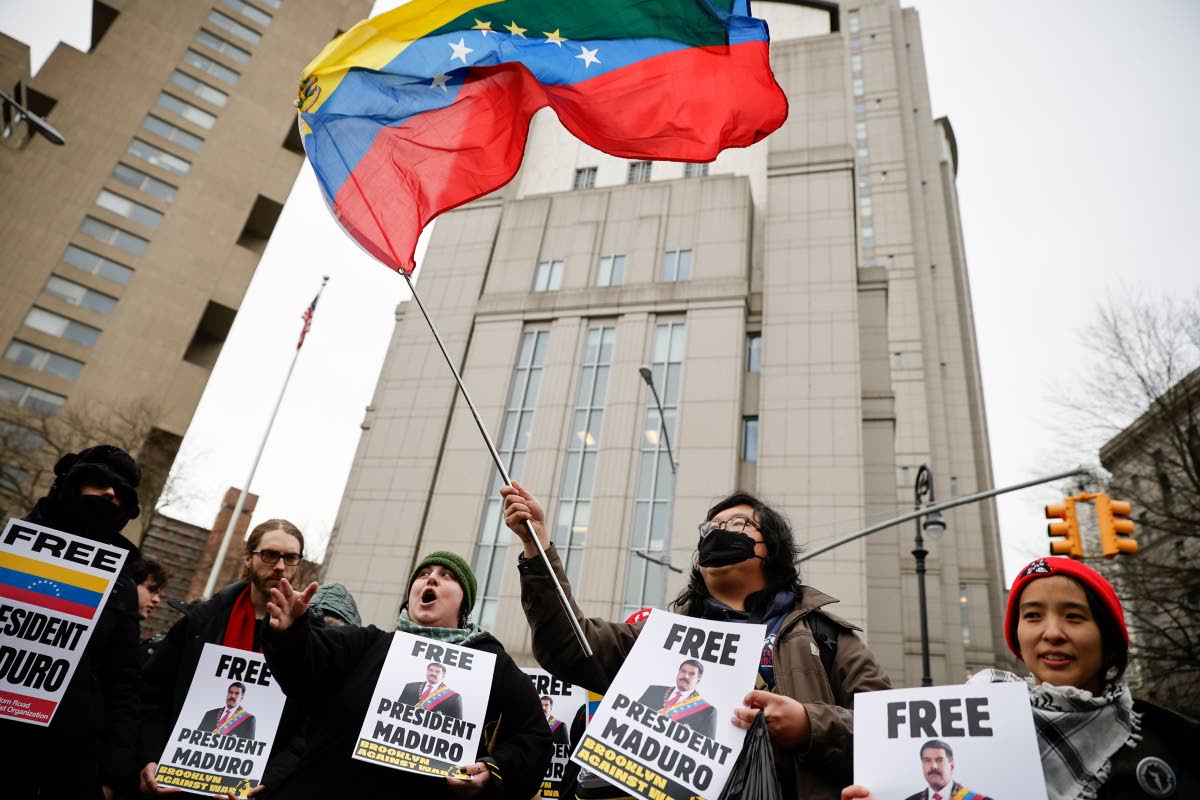 Protesters hold signs calling for the release of Venezuelan President Nicolas Maduro outside Manhattan Federal Court before his arraignment in New York on Monday, January 5.
-
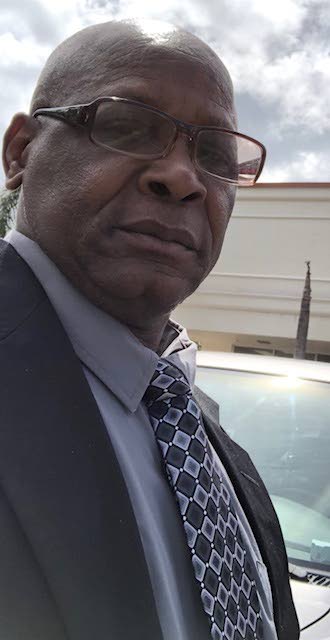 Norris McDonald
Recent developments involving Venezuela raise urgent concerns about whether the United States is once again asserting imperial power over a sovereign nation, this time with unprecedented openness and rhetorical audacity.
When a global superpower claims authority over another country’s leadership and resources, the issue is no longer merely foreign policy, but the re-emergence of empire in its most unvarnished form.
THE EMPIRE’S STRATEGY
Reports and allegations surrounding US actions towards Venezuelan President Nicolás Maduro have shocked much of the Global South. Critics argue that these actions, regardless of the precise methods employed, represent a dangerous escalation in international lawlessness and reflect a growing disregard for the principles of sovereignty and international law.
Whether framed as security measures or geopolitical necessity, such conduct signals a normalisation of imperial behaviour long condemned when practised by others.
Viewed historically, Venezuela’s current crisis does not stand alone.
Let’s recall Haiti in 2021, when President Jovenel Moïse was assassinated in a plot hatched in Miami, evidence has revealed. In that case, over 300 heavily armed,
US-trained, Colombian mercenaries were able to move across several borders and assassinate President Moïse. This has now left Haiti completely ungovernable since then.
While responsibility for that tragedy remains contested, the broader pattern is familiar: weakened sovereignty followed by prolonged instability and external control.
AMERICA’S VENEZUELAN POLICY
In Venezuela’s case, reports have emerged alleging collaboration between US intelligence agencies and elements within Venezuela’s own armed forces. Whether these allegations are ultimately substantiated or not, they align with a long history of covert and overt actions used to destabilise governments that resist Western economic dominance.
From coups and assassinations to sanctions and economic warfare, the methods may vary, but the objective has remained consistent.
US policy towards Venezuela fits a well-established strategy of economic pressure, asset seizure, and diplomatic isolation deployed against states pursuing independent paths of development.
My friends, this strategy did not originate with Donald Trump. The campaign against Venezuela intensified under Barack Obama in the 2000s and was institutionalised through sanction regimes that expanded under successive administrations.
Under both Republican and Democratic leadership, Venezuela has faced sustained financial strangulation. In 2019, the Trump administration froze and seized US$7 billions of dollars in Venezuelan assets held abroad, actions widely condemned as collective punishment against an entire population.
Similar measures were previously imposed on Haiti, Libya, and Iraq, where seized national assets have yet to be returned, leaving long-lasting economic and social damage. What distinguishes the current moment is not the strategy itself, but the extraordinary brazenness of Trump demands on Venezuela’s oil wealth.
IBRAHIM TRAORE TARGETED
Trump’s god-king strongman posture/imperial ambition has been articulated with little concern for diplomatic restraint. Trump’s public statements claiming ownership of Venezuelan oil and asserting US authority to “run the country” stunned even long-time observers of American interventionism.
This rhetorical bluntness matters. It signals a shift from covert imperial management to open imperial declaration. The reported seizure of Venezuelan vessels, deadly incidents involving civilians at sea, and the hijacking of oil shipments reveals America’s strong disregard for international law.
If Venezuela represents one front in this imperial project, Africa’s resource-rich Sahel region may represent another. Nations such as Burkina Faso, Mali, and Niger, led by governments openly rejecting Western military and economic domination, have increasingly drawn the attention of Washington and its allies.
President Ibrahim Traore of Burkina Faso, is leading a new Pan African revolution in West Africa’s asserting sovereignty. How do we know Ibrahim Traore is safe? He was already subject to a misinformation campaign by US General Michael Bradley.
History suggests that when nations seek control over their gold, oil, uranium or lithium, they are swiftly recast as threats to global stability, rather than partners in development.
Empires, however, do not rely on force alone. As Niccolò Machiavelli observed centuries ago, deception, fear, and moral posturing are essential tools of power. In modern times, humanitarian narratives and security claims have frequently served as pretexts for interventions that leave societies shattered and impoverished.
KWAME NKRUMAH’S LESSONS
Former President of Ghana Kwame Nkrumah warned that political independence without economic sovereignty would usher in a new phase of domination: neo-colonialism. In the work Neo-Colonialism: The Last Stage of Imperialism, he reminds that poor nation must take control of their wealth and use political independence to uplift the lives of their people.
His warning remains painfully relevant. Black, Indigenous, and formerly colonised peoples continue to bear the burden of a global economic system built on slavery, plunder, and extraction.
Over the past 75 years, trillions of dollars have flowed from the developing world to industrialised nations through raw material exploitation, cheap labour, and environmental devastation.
The wealth accumulated in the West has been mirrored by persistent poverty elsewhere, reinforcing global inequality rather than alleviating it.
Venezuela’s determination to use its national resources for social development helps explain why it has remained a persistent target of external pressure.
The Bolivarian Revolution implemented large-scale public housing programmes in which over seven million housing units were built and delivered to poor people. Expanded access to healthcare, and poverty reduction clearly show that alternatives to free-market orthodoxy are possible.
Venezuela having such progressive policies poses a sharp ideological threat to imperialism. This shows that while countries such as America have over one million homeless and, millions working below the starvation wage, there is life outside neoliberal capitalism.
A MORAL CHOICE: IMPERIALISM OR JUSTICE?
My dear friends, as Jamaican reggae superstar Bob Marley reminds us, “We have been treading on the wine press much too long.”
The world now faces a choice: silence in the face of imperial overreach, or solidarity with nations asserting their right to self-determination. Millions across the globe have already answered by condemning what they view as an unlawful assault on Venezuela’s sovereignty and a dangerous precedent for international relations.
These are perilous times. History teaches that empires are often most volatile not at their height, but in decline—lashing out in desperate attempts to maintain control.
As Nkrumah also taught us, empires are not permanent. They fall, even as they remain dangerous until the end.
That is the bitta truth.
Norris R. McDonald is an author, economic journalist, political analyst, and respiratory therapist. Send feed back to columns@gleanerjm.com and miaminorris@yahoo.com.