Lance Neita | A tribute to foot-bottom power and Jamaican ingenuity
Loading article...
-
 Lance Neita
-
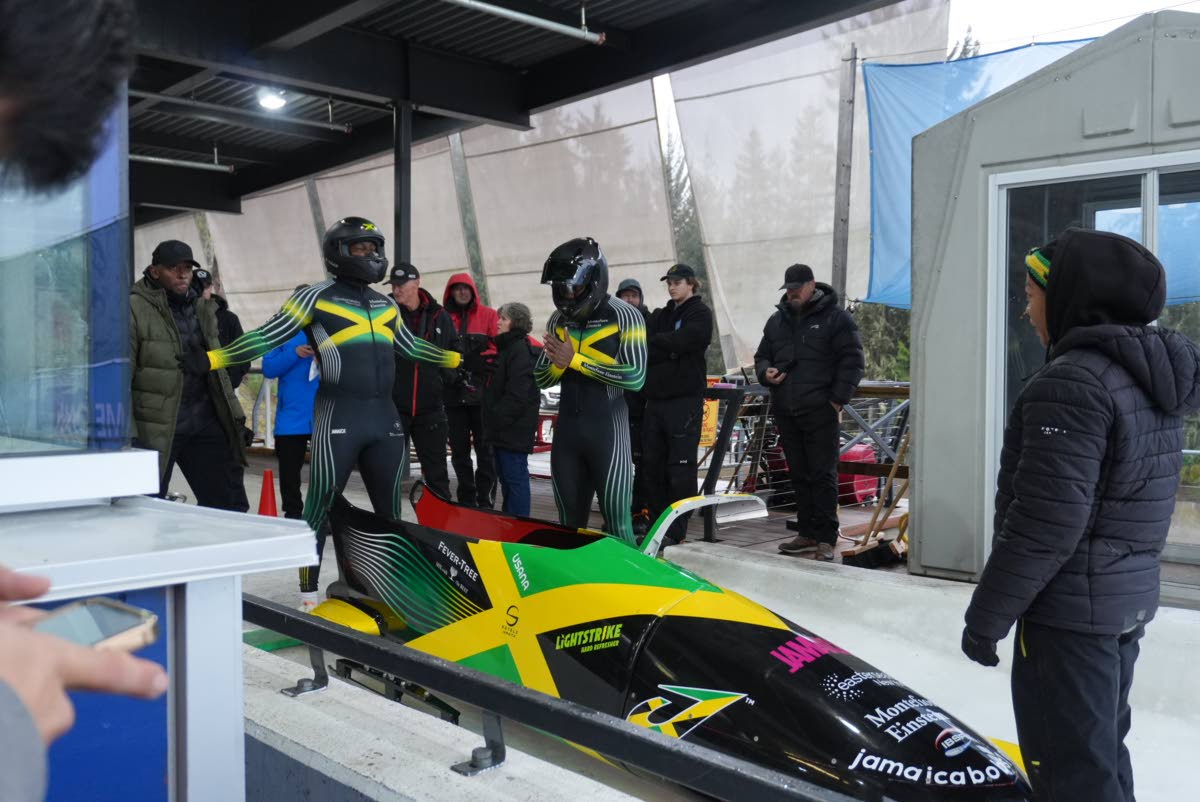 Jamaica’s bobsleigh team gets ready for one of their runs at the International Bobsleigh and Skeleton Federation North American Cup in Whistler, Canada.
-
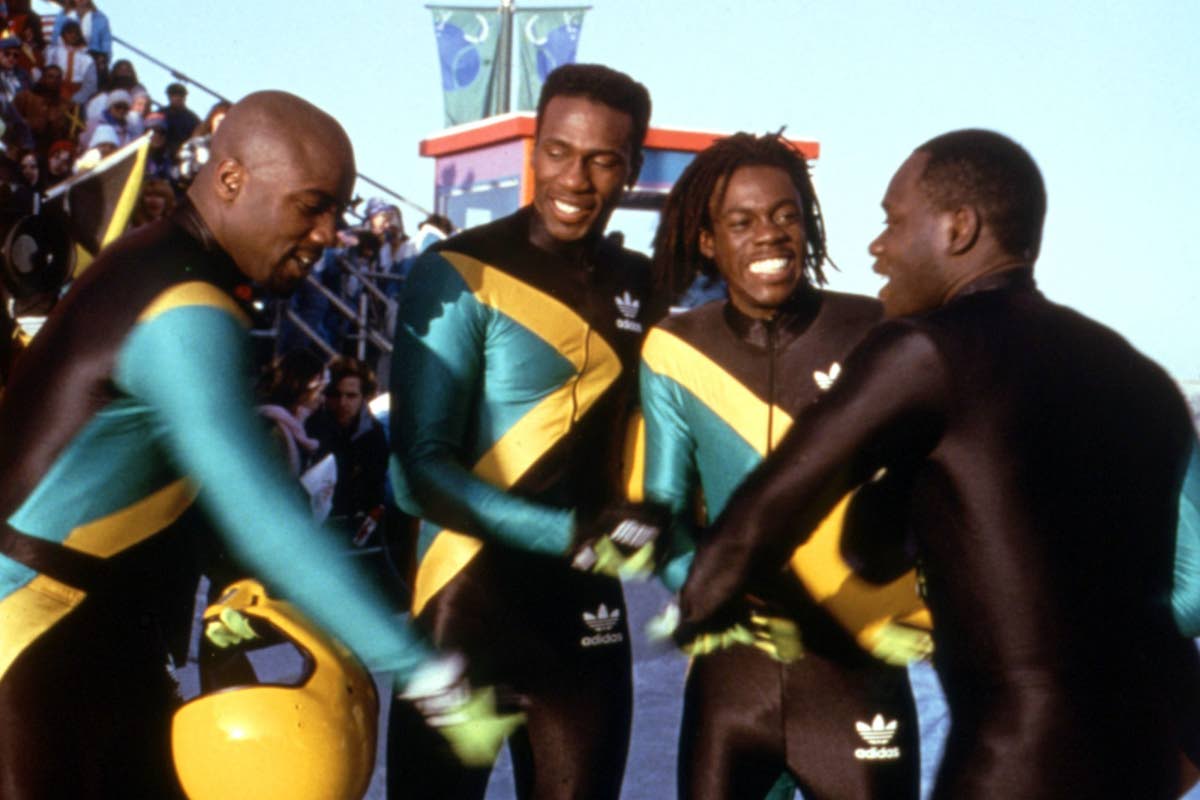 Members of the cast of ‘Cool Runnings’, the popular Disney Film about the exploits of the Jamaica bobsled team at the Winter Olympics in 1988.
The Jamaica bobsled teams have been riding high on another wave of favourable publicity, thanks to the men’s gold-medal performances achieved in the North American Cup competitions in Canada and the US in November, and outstanding performances by our women in the same competitions, as both teams earn their way towards qualification for the February 2026 Winter Olympics in Italy.
In a moment when the country has been grappling with hardship and uncertainty, these performances offered something we desperately need: hope.
Jamaica pushcart derby, bobsled, Cool Runnings, and now our first bobsleigh international gold, have become synonymous with success, triumph, determination, and a love affair with the rest of the world. As well as a tribute to foot-bottom power.
All this from a most inauspicious start, typical of so many of Jamaica’s extraordinary command performances on the world stage.
For those who came in late, the pushcart derby and the bobsled journeys started way back in 1975, one Saturday morning, when Kaiser Bauxite’s Community Relations Supervisor Con Pink came across a bunch of youngsters racing their handcarts ‘illegally’ down the company’s private entrance road, at a time when the road was officially closed to the public.
The mischief, the sport, and the speeds which had the boys laughing, daring, and teasing each other lit up a lightbulb over Con’s head that led to the idea of a derby as a summertime fun day for the company’s operating area communities.
It was unique, a community ‘whodunnit’ so far removed from the company’s standard social responsibility programmes conducted by Kaiser over many years.
But it caught the company’s imagination and then General Manager Ed Coyne immediately threw the entire weight of the multinational bauxite entity behind the venture.
The venue, of course, the famous Kaiser Sports Club, and a decision by management to run the races around the flat cricket field.
This was where we ran up against the first demonstration of foot-bottom power. “No, no,” declared the boys, “we race up and down Spyglass Hill every Saturday without you knowing about it, and every time we go home safe and sound without any dip and fall back.”
So a challenging but safe racetrack was designed by the boys running a quarter-mile downhill from the hilltop to the Sports Club below. They had colloquially named it Spyglass Hill as Kaiser had installed a pay telescope overlooking the harbour, donating the funds raised to the St. Christopher’s School for the Deaf in Brown’s Town.
And finally the guest of honour, none other than the governor general himself, Sir Florizel Glassspole, who had by then become a part of the Kaiser family.
YEARLY FESTIVAL
The first mini derby was a success – carts all jazzed up with paraphernalia rescued from garage discards, grounds dressed in colourful flags and buntings, a marching band, lunch hour concert, and fertile imaginations coming up with cart names reading like a dream Caymanas Park Moutett Mile entry card.
At the end of the day, the vote taken by the general manager, the public relations department, employees, and the boys was to have a bigger event the following year.
Sir Florizel weighed in by adding his endorsement of a yearly festival to be named the annual National Pushcart Derby staged on its home ground, Kaiser Sports Club.
It was a day set in August that drew thousands from all levels of society to applaud and enjoy the skills of the youngsters who had discovered the art of converting their home-built carts into a Vernam Field-styled motor racing vehicle.
It seemed a bit weird at first. Why was a huge and powerful international company like Kaiser getting involved with youngsters who built and pushed carts for a living or for recreation?
The answer, of course, can be traced back to the heavy emphasis placed by the bauxite industry on community relations. The bauxite community outreach has reached out in a big way into education, agriculture, health, youth development, microenterprise, water provision, sports, etc. The industry footprint has been cast indelibly into these social development areas.
The popular event became a part of industry history.
Parish organisations were built up with voluntary input. At Discovery Bay, the national was the premier event of the summer. Kaiser had more than 100 employees on the organising committee. The company put everything into recognising and creating opportunities for youngsters who utilised handcarts for various lifestyles to be recognised for their innovation, skills, and application.
At the finish line on various occasions were Sir Florizel, Herb McKenley, Mike McCallum, Donald Quarry, several Miss Jamaicas, and unknown to us, two American businessmen named George Fitch and William Mahoney.
We heard that the two visited the derby in 1987 and thought that it looked similar to the bobsleigh Winter Olympics event. It was further said that they went back to Kingston and collaborated with the Jamaica Defence Force to create the first Jamaica national bobsled team.
And so it was that Jamaica’s bobsled entry into the Winter Olympics was inspired by the humble pushcart derby.
To top it off, in 1992 I received a surprise call from Walt Disney Studios seeking permission to film scenes at Kaiser Sports Club for a motion picture based on the pushcart and bobsled adventures. The film was to be called ‘Sno Kone’.
It was later changed to Cool Runnings and became a runaway hit.
A tribute to ‘foot-bottom power,’ Jamaican ingenuity, and bauxite industry community relations outreach.
Lance Neita is a public relations professional, historian, and author. Send feedback to columns@gleanerjm.com and lanceneita@hotmail.com.