Eric Falt | Supporting boys and young men in Caribbean education
Loading article...
-
-
 Eric Falt, regional director of UNESCO for the Caribbean.
January 24 will be commemorated as the International Day of Education 2026, in which UNESCO highlights the role of youth as essential co-creators of the education systems that shape their futures.
Across the Caribbean, young people are driving innovation, creativity, and social change. Yet too many boys and young men remain at risk of falling behind in school, with serious consequences for themselves and their communities.
Data shows that while girls often perform well in school, many boys leave early, particularly at the upper secondary level. In many Caribbean countries, boys make up the majority of out-of-school youth, a trend with lasting effects. Being out of school reduces access to work, limits life opportunities, and increases the likelihood of involvement in violence or high-risk activities.
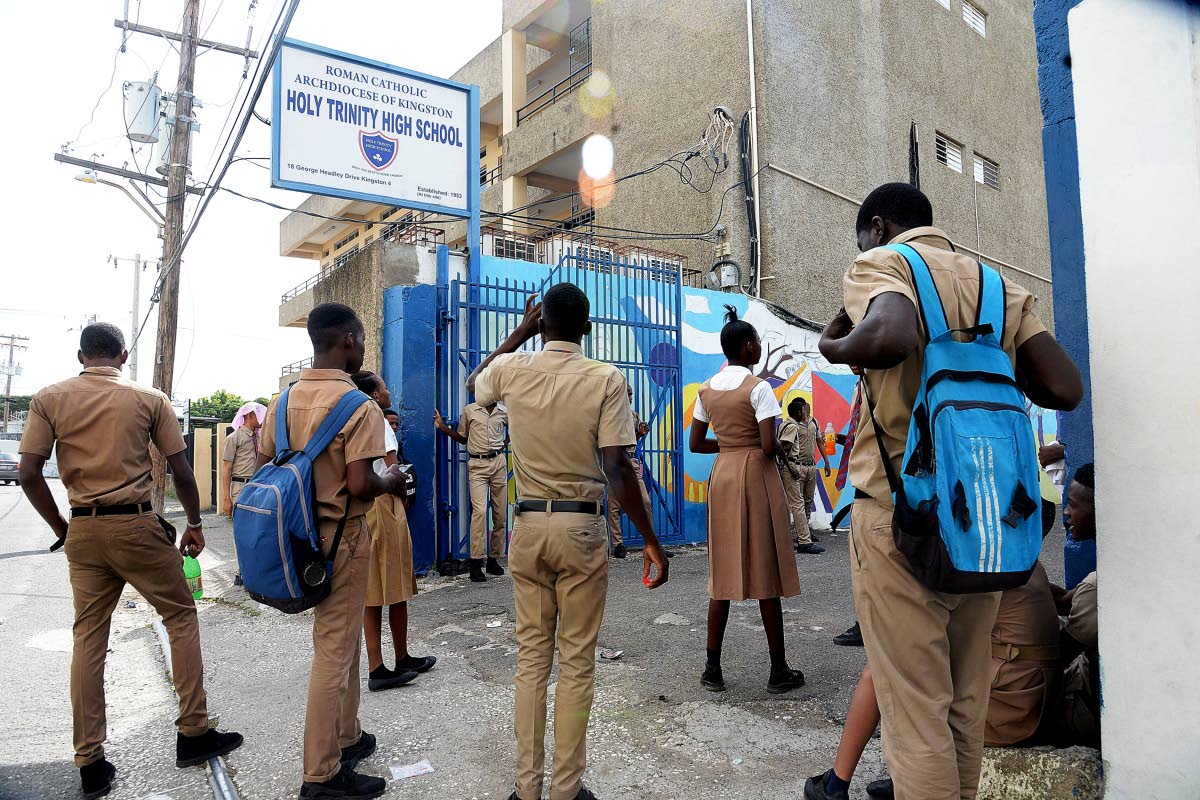
In Jamaica, for example, a significant proportion of adolescents are not in school, and male students are overrepresented among them. Young men who do not complete secondary education face a higher risk of unemployment and social marginalisation. UNESCO’s research emphasises that education is one of the most effective ways to reduce these risks, yet boys’ needs are often overlooked in traditional programmes.
In the Jamaican context, these regional patterns take on distinctive features shaped by history, culture, and community life. Education has long been seen as a pathway to social mobility, yet many boys encounter obstacles that make sustained engagement difficult. In both urban centres such as Kingston and Montego Bay and in rural parishes, schools often serve students facing economic pressure, caregiving responsibilities, or the expectation to enter informal work at an early age. These realities influence attendance, concentration, and completion rates, particularly for adolescent boys.
CONTEXT-SENSITIVE
Jamaica also offers valuable examples of how context-sensitive approaches can support boys more effectively. Technical and vocational pathways have helped many young men see education as practical and future oriented. When academic learning is complemented by skills training in areas such as construction, agriculture, digital services, or creative industries, students are more likely to remain engaged and motivated. These pathways reinforce the idea that education can lead to diverse and respected forms of work.
Mentorship also plays a particularly strong role in the Jamaican setting. Programs that connect boys with positive male role models through sports, music, community organizations, and faith-based groups help reinforce persistence and self-belief. Jamaica’s rich cultural traditions in athletics, reggae, and performance provide entry points for learning that resonate with young men’s identities and aspirations. Schools that acknowledge and integrate these cultural strengths often see stronger relationships between students and educators.
Family and community partnerships are equally important. In many Jamaican communities, extended families and local leaders play an active role in guiding young people. When schools collaborate with parents, community groups, and local employers, boys receive more consistent messages about the value of staying in school. These collective efforts show that supporting boys’ education is not only a school responsibility, but a shared commitment that reflects Jamaica’s longstanding emphasis on community resilience and mutual support.
The experience of UNESCO in the Caribbean shows that meaningful engagement matters. Youth must be involved in shaping education policies, programmes, and curricula that affect them. Participation helps young men feel that learning is relevant and connected to their lives, rather than just a requirement. Youth Forums, SDG 4 Youth and Student Network initiatives, and community consultations have shown that when boys are given a voice, their engagement and success rates increase.
UNDERSTANDING CHALLENGES
Engaging boys effectively also requires understanding the challenges they face. Many struggle with learning environments that do not reflect their experiences or learning styles. Mentorship, life skills training, and opportunities to connect education to practical pathways help keep boys motivated. Community support, including family involvement and school-based guidance, plays a crucial role in helping boys stay in school and succeed.
UNESCO has highlighted several best practices across the Caribbean where boys are successfully engaged. Pilot projects that combine school curricula with community-based activities provide opportunities for boys to see the direct value of education in their lives. These initiatives show that when learning is co-created with young people, it becomes more inclusive, relevant, and empowering.
Structural barriers must also be addressed. Poverty, limited access to quality schools, and a lack of clear pathways to work all contribute to boys dropping out. UNESCO’s reports stress the importance of equitable funding, social support systems, and targeted programs to support at-risk youth. Tackling these barriers is essential if education is to reach all students effectively.
The stakes are high. Boys who remain engaged in school are not only more likely to graduate; they are also less likely to be exposed to violence and other social risks. Education gives young men skills, confidence, and opportunities that strengthen families and communities. Supporting boys and young men in school is therefore an investment in wider social stability and development.
With collaborative approaches, informed policy, and practical interventions, the region can create learning environments where all youth, boys and girls alike, can succeed and contribute to their communities.
Education is more than classroom instruction; it is a platform for hope, growth, and opportunity. By making it inclusive, responsive, and empowering, Caribbean countries can turn disengagement into participation and potential into achievement. On this International Day of Education, let us celebrate the power of youth while ensuring that no young person, especially boys and young men, is left behind.
Eric Falt is the director and representative of UNESCO for the Caribbean region, covering the English and Dutch-speaking countries. Send feedback to kingston@unesco.org and columns@gleanerjm.com