Lance Neita | Reflections on Independence Day 1962
Loading article...
-
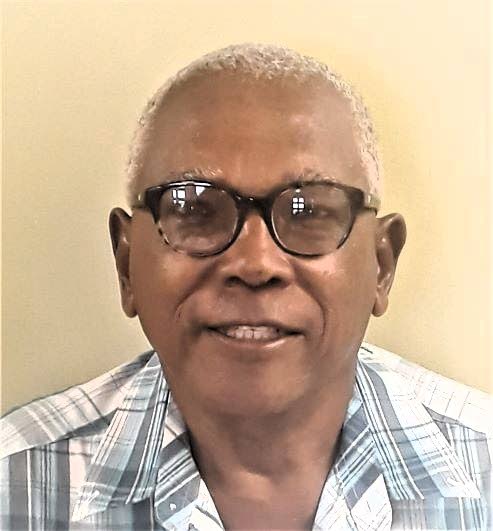 Photo - Contributed
-
Photo - Contributed
-
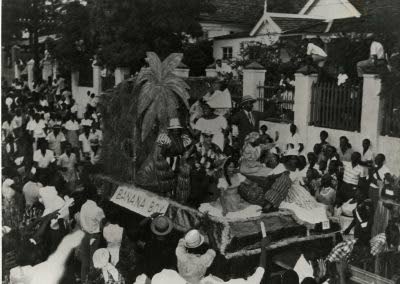 Photo - AG Guest Guest
-
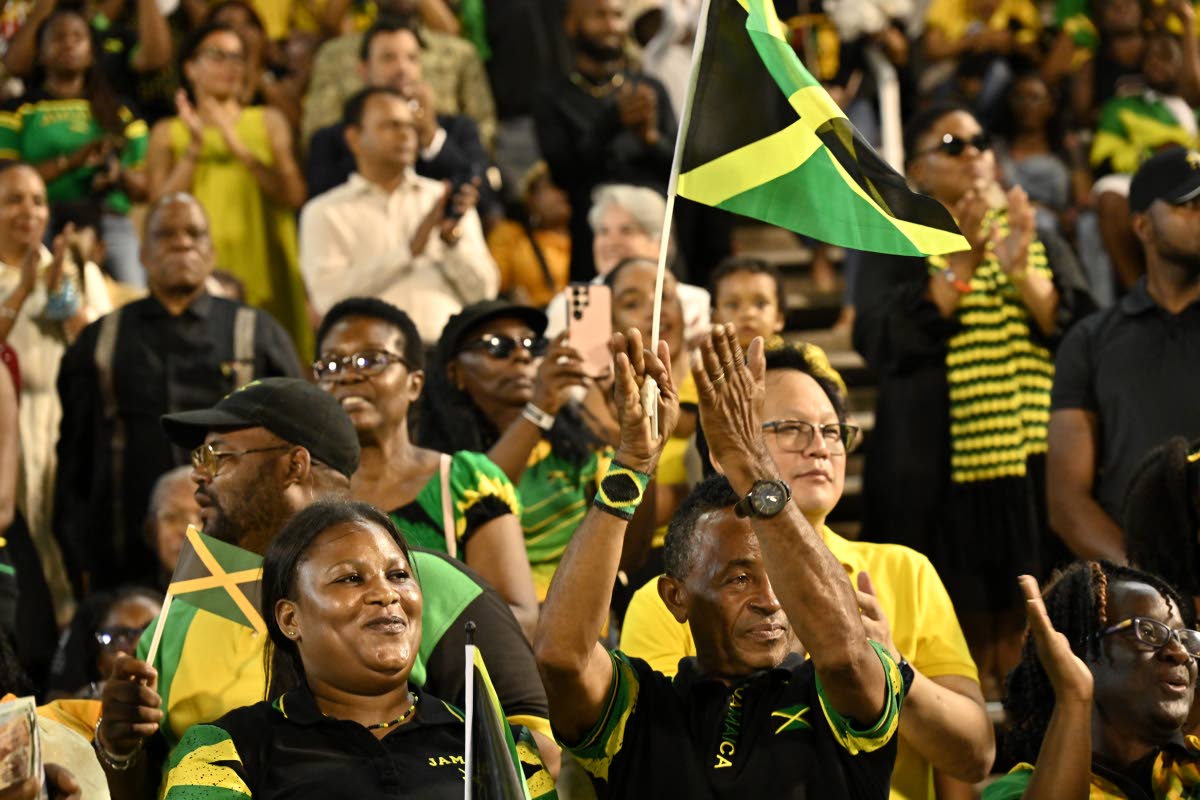 Photo - Rudolph Brown
Independence Day for modern Jamaica never fails to bring out a sense of nostalgia recalling the celebrations of the first Independence Day in 1962. It was a time when the black, green and gold colours were draped all across Jamaica, ensuring that the hills and valleys and all and sundry could enjoy and engage in the official festivities concentrated in Kingston and brought to rural folk, courtesy of The Gleaner and Radio Jamaica (no television yet in place).
Prior to Independence, the stage had been set in 1961 when the premiere, Norman Manley, called a referendum for the people to answer the burning question of the day, “Should Jamaica remain in the Federation of the West Indies”. This was a period of great controversy, with the debate over the federation raging in private and public spaces and on every street and lane.
It rapidly became a political campaign with those in favour siding with Manley and the Peoples National Party (PNP) and those against lining up behind Alexander Bustamante and the Jamaica Labour Party (JLP).
The question was answered on Referendum Day, September 19, when voters returned a majority of 38,942 in favour of secession. Jamaica had chosen to go it alone.
Premiere Manley regarded his loss as a rejection of his policies. He felt that the people should have a say in choosing the government to lead them into Independence. He called a general election to be held on April 10.
The stakes were high, as everyone knew that it was winners take all. The JLP won, Bustamante was given the privilege to lead, and Donald Sangster, his minister of finance, was given the chairmanship of the Consultative Committee for the Independence arrangements.Over to the celebrations. It was a time when Derrick Morgan was summoning us to Forward March, Al T. Joe was spelling out his Independence alphabet with his Rise Jamaica Rise, the ska beat was about to take us on, and Lord Creator had us dancing out of the juke boxes to his Independent Jamaica.
The excitement grew. The new Jamaica flag design was approved by Parliament on June 20, and a new National Anthem chosen on July 19, 1962, with only a few days left to listen to, and to learn.
In the meantime, the country was dressing up its main towns and villages with the new colours of black green and gold, making a lasting impression with night lights illuminating the decorations for miles around.
It was the summer holidays but Education Minster Edwin Allen declared that all schoolchildren were to gather at their various schools on Monday, August 6 for a ceremony of flag-raising, singing the new national anthem, tree planting, and biscuits, soft drinks, ice and souvenir Independence mugs, some of which are still in precious possession today.
Sums were provided for a thousand villages to stage celebrations in true folk form - the quadrille, kumina, a maypole, ring games, greased pole climbing, village beauty contests, cricket, dominoes, at racing, beach parties, stage shows.
Her Royal Highness The Princess Margaret arrived on August 3. The following day, she unveiled the Olympic Statue and opened the new National Stadium
Later that night, Saturday, August 4, Jamaica’s Bunny Grant defeated Britain’s Dave Charnley over 15 bruising rounds at the stadium to win the Empire Lightweight Championship and give Jamaica its first Independence present.
Sunday evening August 5 and the excitement was at fever pitch as the stadium filled with people from all over the island and all over the world.
But, as always, behind the scenes, there were moments of high drama. For example, the programme called for the stadium lights to be turned off for one minute while the Jamaican flag was being hoisted. Shortly before that event, Sangster suggested quietly to Gleaner Editor Theodore Sealy, committee chairman, that the lights should remain on. But Sealy was totally unimpressed. “Mr. Sangster”, he bullied, “if we can’t trust our people with one minute without lights, we will never be able to trust them to take on Independence.”
The timing was immaculate. At 11:58 p.m. the Union Jack was lowered to the strains of the British national anthem. And, at 11:59 p.m., with the stadium in total darkness, the Jamaica flag was hoisted, the lights turned on, and on spot at midnight the crowd saw their flag unfurled and waving in the breeze. With all the drama that had taken place in the Royal Box that night, this was the eye-catching, tear-jerking moment that brought the house down. Jamaicans sang their national anthem for the first time, and then the place simply erupted into spontaneous cheering
So, on that first Independence Day, nostalgia excused, the whole island came alive with the tempo of the occasion. Bonfires were lit on mountain peaks. People poured out into the streets to dance. Some two dozen Maroons danced in the Port Maria square. Moneague celebrated with street dancing, Above Rocks in St Catherine enjoyed a community picnic, sack races, grease pig chasing. Float parades wound their way across the hills and valleys.
Ahead was the opening of Parliament, the State Ball at the Sheraton, a week set to culminate with a giant float parade through the streets of Kingston, and the IX Central American and Caribbean games at the stadium.
The arrangements were seamless, characterised by dignity and stateliness. And the lights were turned off for one minute without a hitch.
Jamaica had passed its first test in public perception. As Miss Lou said, “Jamaica start grow beard, ah hope we chin can tan de strain.”
Lance Neita is a public and community relations specialist and author. Send feedback to columns@gleanerjm.com and lanceneita@hotmail.com