Ruthlyn James | This old house once knew my child
Loading article...
-
-
-
 Ruthlyn James
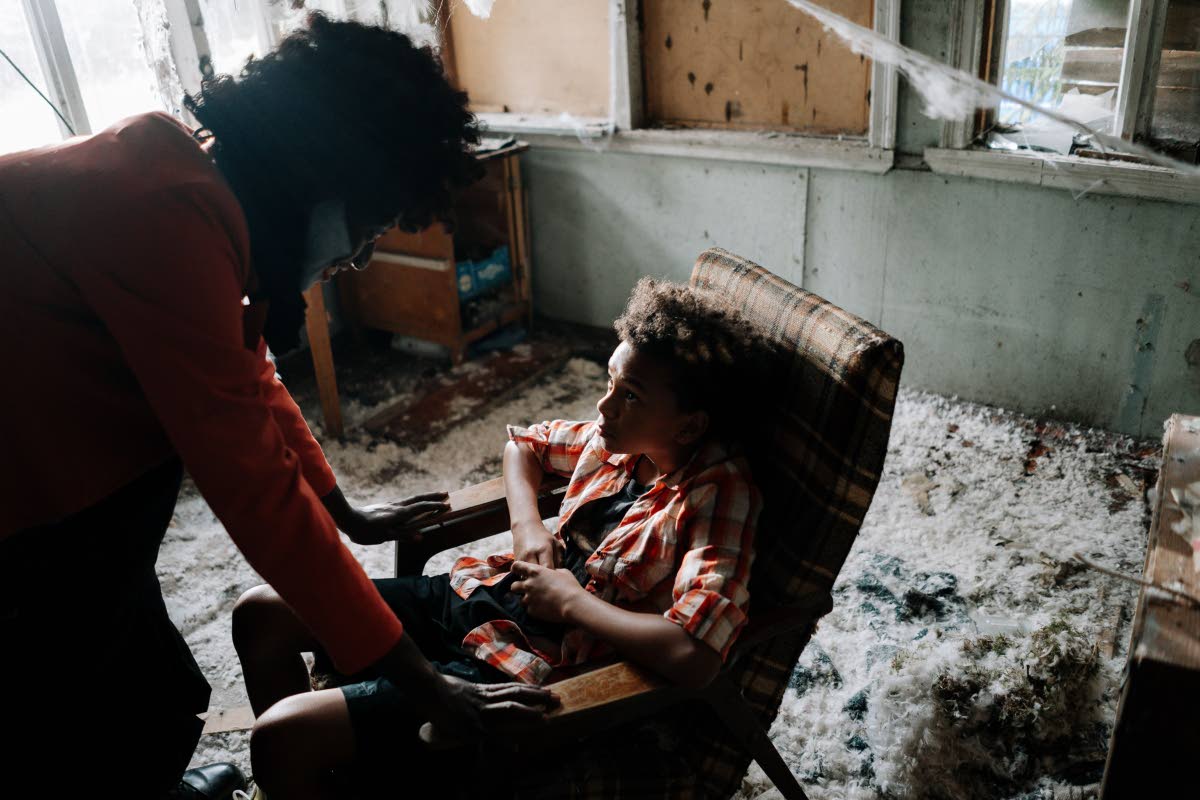
Across Jamaica today, a home is becoming increasingly fragile. Disasters and poverty weaken our ability to hold on to it. A bank can repossess it, or a bulldozer can reduce it to rubble. And now, in the public sphere, a cellphone can record its destruction and allow a child to watch the death of their home, over and over again.
In a discussion with a student on screen time, something stayed with me. He made a point: “We escape the harshness of home through our screens.” He explained that sometimes it is about being happy in another’s reality. His words are so fitting now as I try to organise the traumatic thoughts of all the children who are experiencing displacement.
Recently, when I drove past Coopers Pen the morning after the demolition, I saw a dictionary and broken pens on the soft shoulder of the road. Now, that child’s current reality needs an escape.
Adults tend to think of a house in structural terms: roof, walls, land, mortgage, title. Children experience home differently. Home is sensory and relational. It is the smell of dinner. The corner where the shoes are placed. The sound of a grandmother moving around the kitchen. The bed where a child knows exactly which side belongs to them. Every sound, every sensory experience, whether luxury or as basic as a zinc fence.
Children build security through predictability, attachment and routine. Home becomes part of what psychologists describe as a secure base. Housing insecurity therefore cannot be dismissed as merely an adult economic problem.
Research has found that childhood housing insecurity, including forced separation from home and frequent moves, is associated with higher symptoms of anxiety and depression. It can add another psychological wound to the experience of poverty. When walls become tents and mattresses are placed on dirt, we disrupt a child’s psychological map of safety.
WHEN TRAUMA GOES VIRAL
When children watch their reality become content, there is also a distinctly modern dimension to displacement. A phone comes out; someone records the excavator. Someone livestreams the crying mother and furniture on the roadside. The video moves from WhatsApp to TikTok, Instagram to news platforms. Comments follow. Adults debate whether families deserve sympathy. Some laugh. Some condemn the Government. Others condemn the occupants. The child’s private catastrophe becomes public content.
For the displaced child, repeated exposure to videos can function as a constant reminder of threat. The same screen through which a child may escape becomes the screen through which that reality follows them. A child does not necessarily possess the cognitive maturity to separate: “that happened there” from “that could happen to us again”.
Hypervigilance may follow. Sleep may become disrupted. Concentration may deteriorate. The child may become unusually clingy, irritable or aggressive. Younger children may regress developmentally: bed-wetting, separation anxiety, tantrums or renewed dependence.
Others may become quiet and withdrawn. School performance can decline because a nervous system occupied with detecting danger has fewer resources available for attention, working memory and learning.
WHEN THE DISASTER IS HUMAN
We have become too comfortable to normalise abnormal levels of suffering among children. There is an important psychological distinction between losing a home to nature and watching human beings deliberately dismantle it. A hurricane has no intention. A bulldozer does.
As a nation, we must examine experience through a child’s eyes. That difference is profound. Natural disasters can shatter a child’s belief that the world is safe. Human-directed displacement can also shatter a child’s belief that people and institutions are safe. The first can produce fear of rain, wind, darkness and another hurricane.
The second may produce fear of authority, the police, the government, heavy equipment, or even a knock at the gate. And where children watch adults plead unsuccessfully to protect the family home, another psychological injury may occur: the people the child believed could protect them suddenly appear powerless.
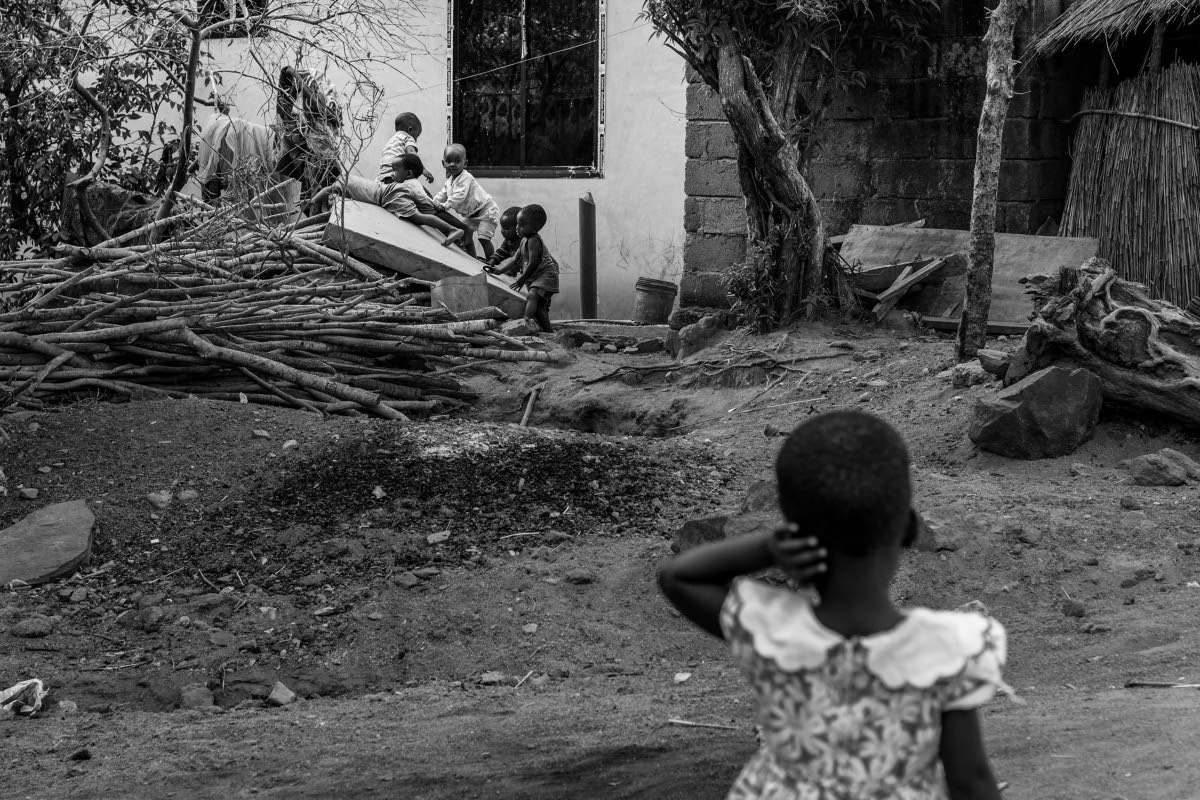
Grief is not reserved exclusively for the death of a person. Children can grieve a house, a bedroom, a community. They can grieve neighbours they no longer see, a pet that could not come with them, and belongings left behind. Something central to one’s identity and security has disappeared. There is no funeral for a childhood bedroom. No nine-night for the kitchen. Yet, something has died; it is the death of a version of childhood.
Major displacement events should not simply be seen as housing, welfare and security operations but child protection and mental health events. Where communities are being displaced, whether through natural disaster, eviction or state-sanctioned demolition, there should be a coordinated psychosocial response.
Housing policy needs a child-impact lens. The excavator should never arrive without somebody having already asked: How many children live here, where will they sleep tonight, and, who will attend to them psychologically tomorrow? Legal compliance and psychological care are not competing principles. A country can enforce its laws and still protect the mind of a child.
THIS OLD HOUSE
“This old house will be our home,” Boris Gardiner sings in a love song that keeps playing in my mind. But, for many Jamaicans, poverty can slowly erode that promise. Demolition can turn the home into rubble before a child’s eyes; a place where parents loved, children were born, and generations began.
We must have those legal and policy debates. But, somewhere between the court order and the excavator stands a child. A child who still has school tomorrow. A child whose brain is still developing. A child whose understanding of safety, authority, permanence and belonging is being constructed from what we do next.
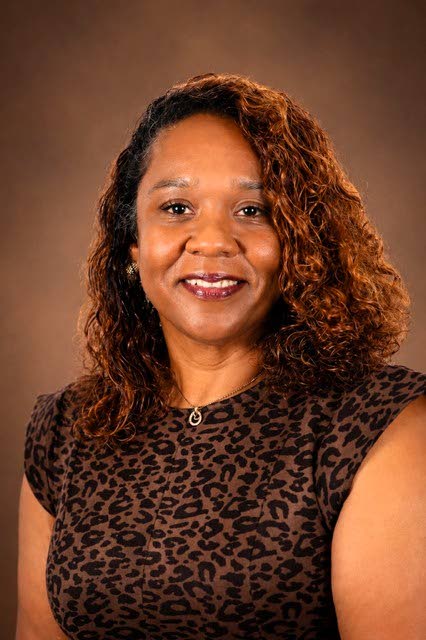
Ruthlyn James is the founding director of Adonijah Group of Schools Therapy and Assessment Centre. Send feedback to columns@gleanerjm.com