Haleigh Marshall | Literacy deserves a rights-based focus
Loading article...
-
-
 Haleigh Marshall
Growing up, one of the common adages we were told in school was that “reading makes a full man”, or a full woman in my case. As I got older, I began to understand that concept in a more fulsome way.
The inability to read adequately significantly undermines a person’s quality of life. Simple things I often take for granted, such as being able to read a form adequately and scrutinise terms and conditions before agreeing to a document, or simply being able to read information on a government website or in a manual, are made possible by literacy. I have come to understand that literacy is not just about education; it is a tool for human agency, dignity and rights.
There has been notable progress in literacy and English-language performance, although the data show that important gaps remain. The latest internationally comparable adult literacy figure places Jamaica’s adult literacy rate at approximately 88 per cent, with women recording a higher literacy rate (92.7 per cent) than men (83.4 per cent). However, adult literacy statistics measure basic reading and writing and should not be treated as a direct measure of current functional literacy or comprehension.
Among children, recent national assessments point to improving performance. In 2026, 79 per cent of Grade 4 students demonstrated literacy mastery, reflecting Jamaica’s broader focus on reading comprehension and functional literacy. At the Grade 6 level, 72 per cent of students were proficient or highly proficient in PEP Language Arts, up from 69 per cent in 2025, 67 per cent in 2024, and 60 per cent in 2023. This represents significant improvement in primary-level English and language performance.
It is often easy to trumpet these achievements as successes, and reasonably so. For a developing country, we have improved literacy across the board through initiatives such as mandatory reading hours in schools, reading labs, government- and privately funded literacy interventions in schools, and adult literacy programmes. However, that troubling 20 per cent has serious consequences.
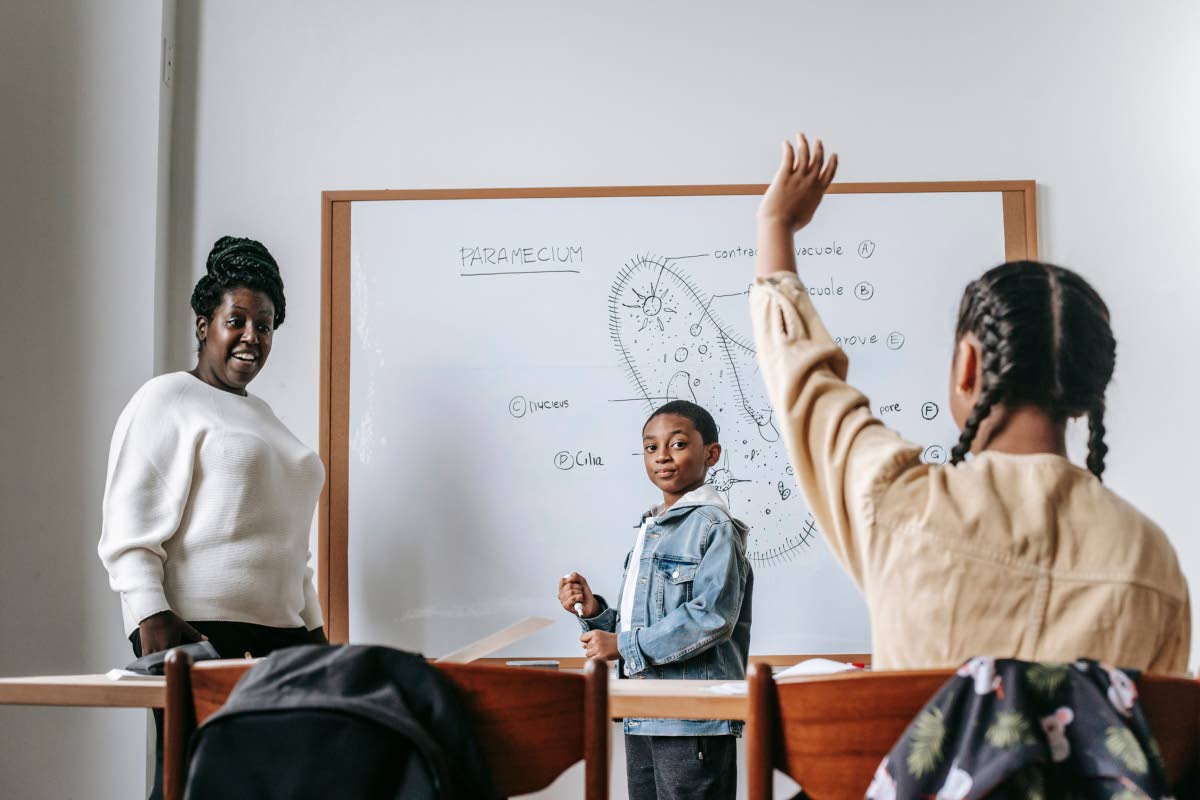
These 20 per cent are often sent to under-resourced “low-performing” schools without sufficient resources for meaningful interventions to ensure that these students master literacy commensurate with their age. Teachers are often given a “basket to carry water”, expected to deliver a curriculum to students with below-par speaking, writing and comprehension skills, often in class sizes too large to allow the individualised interventions needed to address these issues.
HUMAN RIGHTS ISSUES
How do we, as a country, continue to act as though it is business as usual when many of our students have school uniforms and names marked in registers as the only proof of schooling? We must begin to see these literacy interventions as a human rights issue first. That way, we recognise that inadequate resources in schools churning out “illiterate students” are inhumane and unacceptable.
Complementing that strong principle is the idea that Jamaica’s unskilled human capital needs intense national focus to ensure that our economy has people who are skilled and qualified. Literacy is the foundation for transferring those skills. So, here are my recommendations:
Reimagine and refurbish libraries to create safe and attractive out-of-school reading centres that offer homework assistance, intensive reading, and comprehensive adult functional literacy classes for parents.
Continue to promote and scale literacy classes in vocational programmes and workplaces. Nowadays, we are often told that “HEART a di pree”, especially for people who had little access to formal education. To combat this crisis, we can embed functional literacy and digital literacy modules directly into HEART/NSTA Trust training programmes and national apprenticeship schemes, helping the 12 to 16 per cent of adults lacking basic literacy skills gain functional proficiency for the workforce.
– Early childhood screening: Expand diagnostic screening for learning differences (e.g., dyslexia and auditory processing disorders) and vision and hearing impairments between the ages of 4 and 6 by making screening more affordable and accessible and ensuring that learning gaps are identified early.
– Establish television and digital programming catering to students who have not achieved mastery, to prevent them from passing through the system without foundational reading skills.
– Mandatory class-size caps for foundation years: Enforce strict student-to-teacher ratios (a maximum of 15 to 18 students per class) in Grades 1-3 in low-performing schools, to enable individualised phonics and comprehension support before students sit the Grade 4 Literacy Assessment.
Progress in literacy should not lead to complacency. More work is to be done, work that leads to an outcome where all Jamaicans can read and write and affirm their dignity through language. For our youth in particular, we cannot ignore them as statistics or cracks in the system. They are full human beings denied a better quality of life by their inability to read and write.
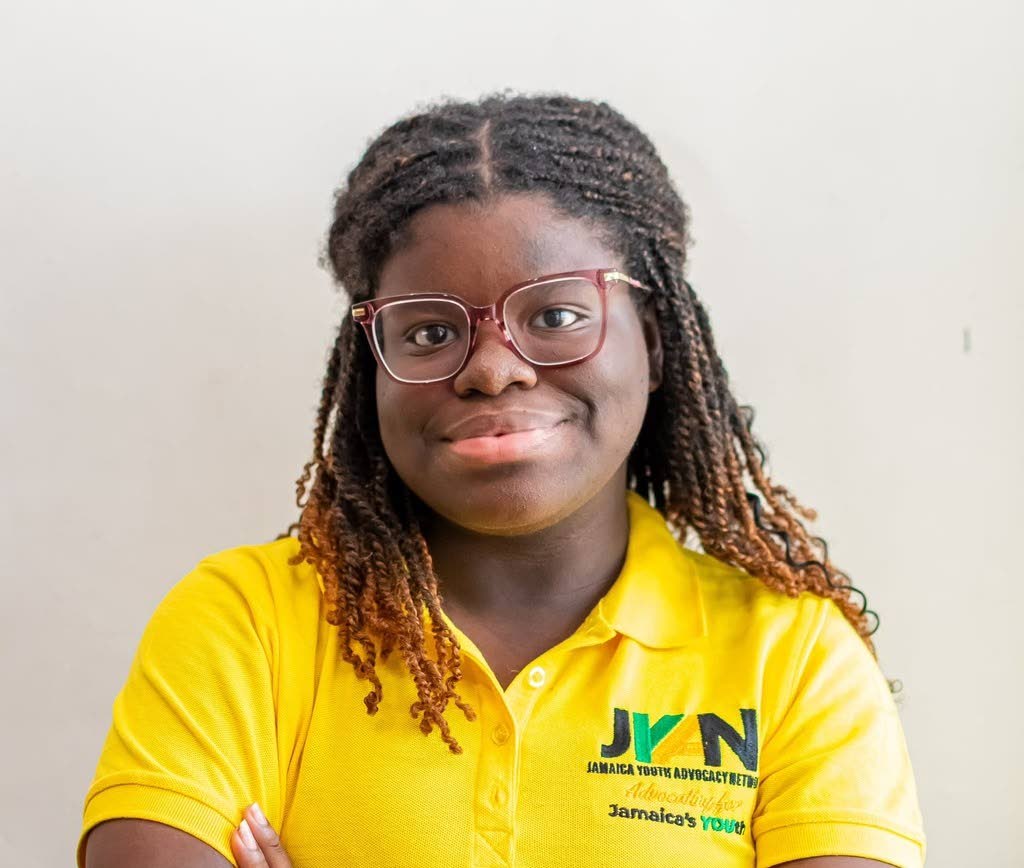
Haleigh Marshall is a member of the Jamaica Youth Advocacy Network (JYAN) Advocacy Council and a student at Merl Grove High School. Send feedback to columns@gleanerjm.com