Phillip Paulwell | Jamaica’s energy crisis is now man-made
Loading article...
-
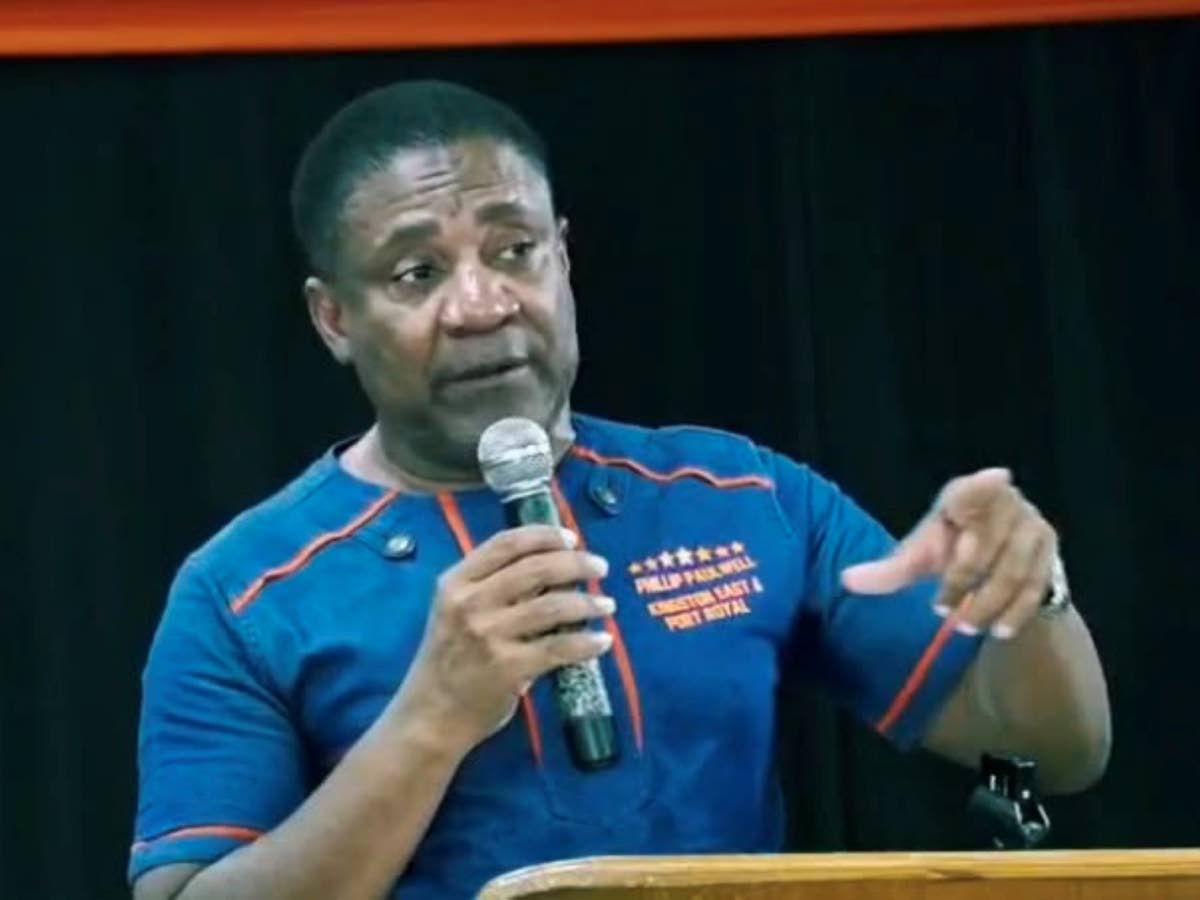 Phillip Paulwell, East Kingston and Port Royal member of parliament. Photo - Corey Robinson
-
Phillip Paulwell, East Kingston and Port Royal member of parliament. Photo - Corey Robinson
-
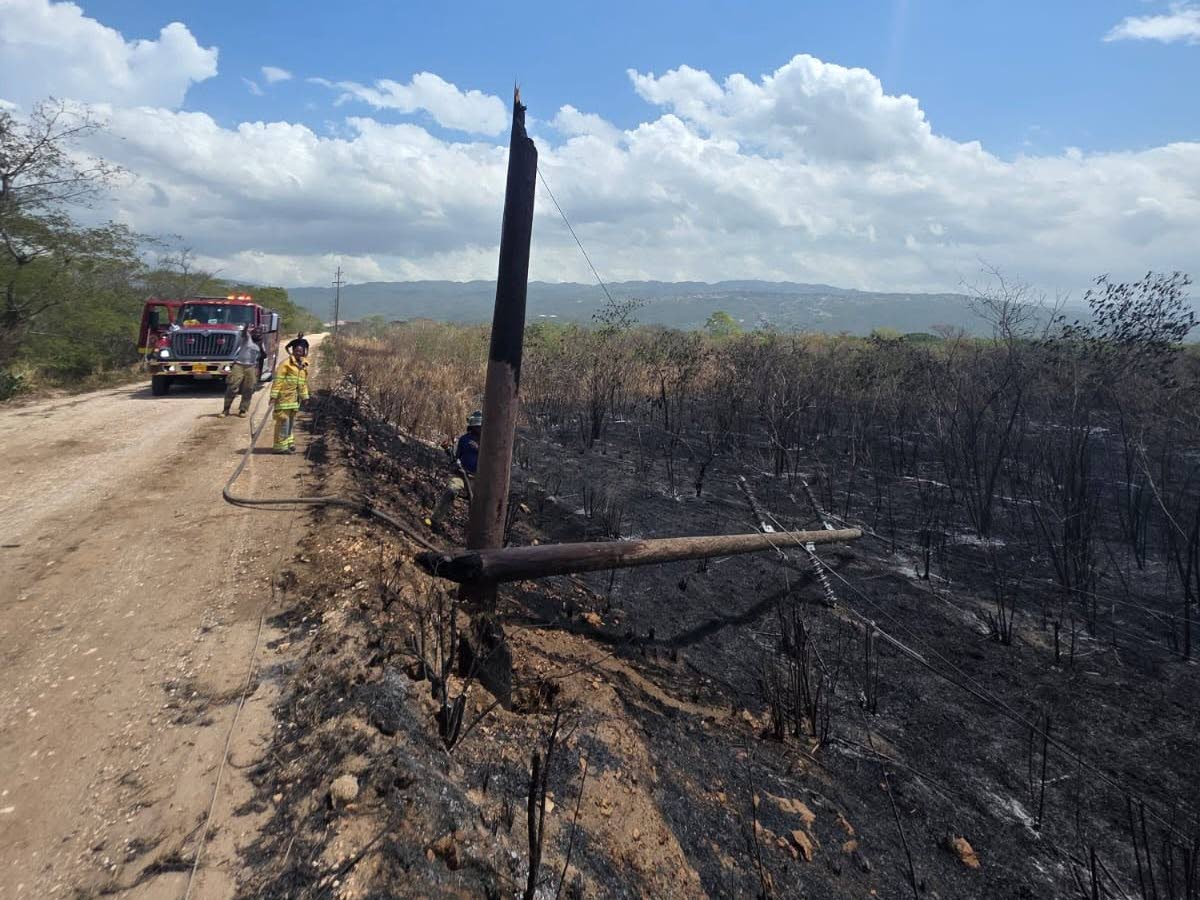 A JPS pole damaged by a bush fire in Portmore, St Catherine on August 10, 2026. Photo - Contributed
I read The Gleaner’s editorial of Saturday, October 31 with real surprise. It’s clear that even The Gleaner doesn’t fully grasp the problem Jamaica faces in its energy sector. Our corner dark!
In the past, our energy problems came mostly from outside: global oil prices, supply shocks and forces we couldn’t control. That’s no longer true. The crisis we face now is man-made, and it was made here at home.
On Tuesday, November 3, I questioned the minister of energy in Parliament. His answers brought several facts into the open:
SEVEN YEARS OF INACTION
This Government took office in 2016 and set a target of 50 per cent renewable energy in electricity generation by 2030. Even so, it didn’t go to market for utility-scale renewable energy until September 2023. That was seven years into its term, and a full decade after the previous administration successfully procured and deployed 115 MW of solar and wind energy.
LICENCES GRANTED, THEN STALLED
In April 2025, nineteen months ago, licences for 50 MW each were awarded to Sun Terra Energy Jamaica Limited and Wigton Energy Limited.
NO POWER PURCHASE AGREEMENTS
To date, neither project has a signed power purchase agreement (PPA). Without a PPA, a licence means very little. No work can begin, and financiers have no basis for judging whether a project is viable.
ELECTRICITY AT A QUARTER OF TODAY’S PRICE
The most important revelation was that both projects bid about US 7 cents per kilowatt-hour. Right now, the most expensive electricity supplied to the grid costs US 28 cents per kilowatt-hour. These long-delayed projects would deliver power at one-quarter of that price.
Let that sink in.
We also learned that the projects will take 18 months to build once they get the go-ahead. So Jamaicans may not see this cheaper electricity until close to 2029. As I understand it, the Jamaica Public Service Company (JPS) won’t sign any PPA until the uncertainty over whether its licence will be renewed is settled. The minister created that uncertainty, and it was entirely avoidable.
As early as 2023, I urged the Government to start negotiating a new JPS licence. There was no reason to wait until the current licence nears its 2027 expiry. Back then, we had leverage. Today, we don’t.
As the two licensees wait for their PPAs, JPS holds the handle and the Government holds the blade, and the negotiations drag on. In the 2025 and 2026 Sectoral Debates, I kept coming back to the delays in settling terms for a new JPS licence. I also set out specific reforms the new licence should include. The Government has ignored them. They are:
End JPS’ right of first refusal: Remove the right of first refusal JPS currently holds to replace its own generating capacity. Award all new generation licences through open international tender.
Independent dispatch: Take responsibility for dispatch away from JPS and place it under the supervision of the Office of Utilities Regulation (OUR).
Power generation in Special Economic Zones: Allow operators in Special Economic Zones (SEZs) to generate and distribute electricity within their zones. This would lower energy costs for those businesses and drive significant growth in the sector.
Wheeling: Allow businesses with more than one location to transmit their own excess electricity between their sites.
Microgrids: Open up more room for private microgrids, especially to serve underserved and deep rural communities. Many of these communities aren’t connected to the JPS grid, and they suffered badly after Hurricane Melissa.
Tackling electricity theft: Set a clear, enforceable mandate to reduce and eventually eliminate illegal connections and unmetered use. The Government must take on much more of this responsibility, including fully subsidising proper wiring in homes so that they qualify for meters.
Unbundling JPS: Carry out the separation of JPS’s accounts and operations that has already been mandated.
Transparent billing: Make electricity bills clearer and easier for customers to understand.
Smart metering: Roll out the smart metering system required under the 2016 licence.
Energy efficiency: Make energy efficiency and conservation a genuine national priority.
Consumer protection: Fully update consumer protection standards.
A stronger OUR: Widen the OUR’s role so that rate reviews are clearer and its responsibilities during emergencies, such as hurricanes, are well defined.
Rooftop solar: Give households and businesses incentives to install rooftop solar and sell their excess power to the national grid.
I have made other recommendations that the Government has also ignored, and I’m ready to share them again.
Last Tuesday, the minister also announced that they intend to go to the market by year-end for another 300 MW of renewable energy. We were told earlier in the year that August 2026 would have been the invitation date. The Government is engaged in a pipe dream if it believes that it will have any success in attracting investors in such a tender. As long as the PPAs remain elusive to Sun Terra and Wigton for the current licences, no one will take the Government seriously and incur costs to participate in another fiasco.
There is too much at stake to keep tolerating the Government’s mismanagement of the energy sector. High energy costs are the main reason our economy isn’t growing, and they are a major cause of the inflation Jamaicans are living with. We have to insist that the Government take its responsibility seriously and stop making this long-running crisis worse.
Phillip Paulwell is member of parliament for Kingston East and Port Royal. He is the opposition spokesman on energy and telecommunications and leader of opposition business in the House of Representatives. Send feedback to ppauwell@citeconsult.com.