‘Life has nice surprises’
Loading article...
-
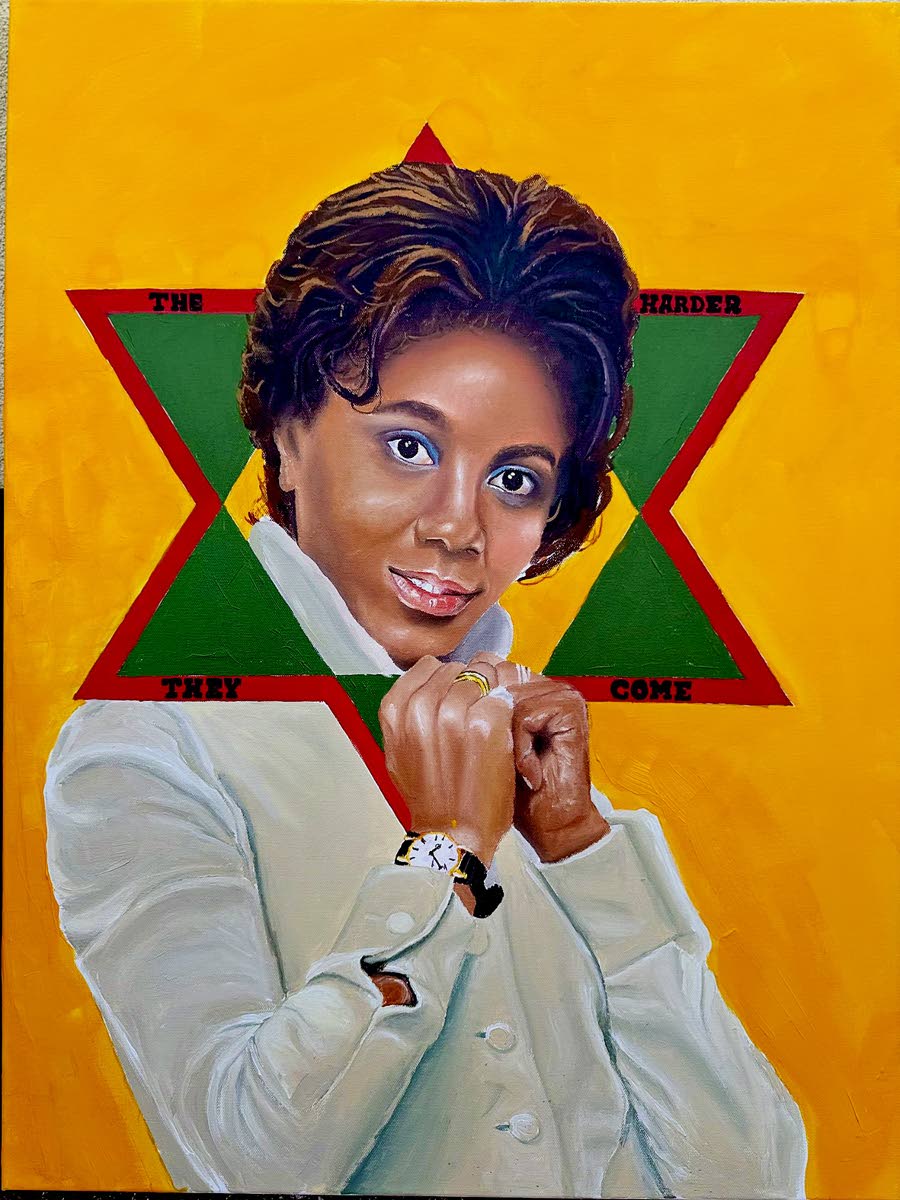 Portrait of journalist, author, film-maker and cultural consultant, Barbara Blake-Hannah, which hangs in the Museum of Colour UK. Photo - Contributed
-
Portrait of journalist, author, film-maker and cultural consultant, Barbara Blake-Hannah, which hangs in the Museum of Colour UK. Photo - Contributed
-
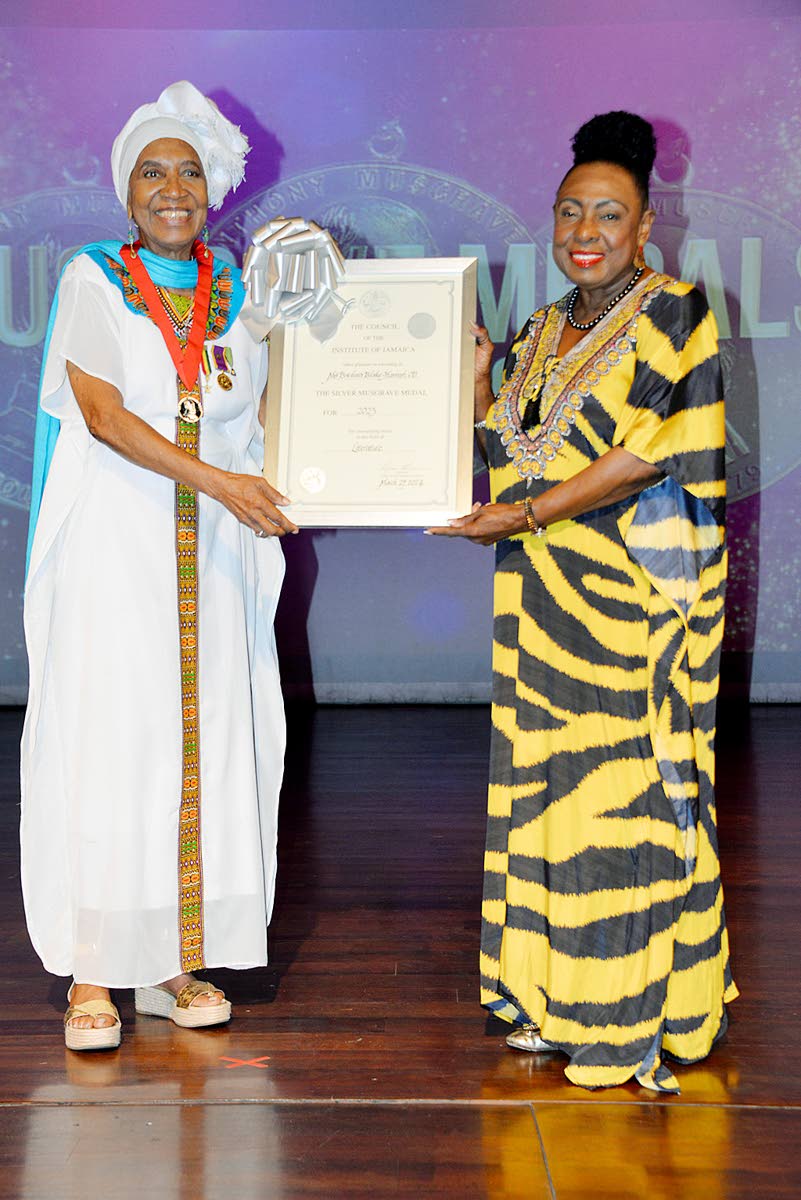 Barbara Blake-Hannah (left) receives her Silver Musgrave Medal and certificate for the Literature category from Minister of Culture, Gender, Entertainment, and Sport, Olivia Grange at the ceremony in March 2024. Photo - Contributed
Three artists were commissioned by the Museum of Colour UK to create portraits of people of colour who have profoundly shaped British television history, both behind and in front of the camera. The Museum of Colour is a ground-breaking digital museum that is recognising and celebrating the contribution that people of colour have made to British film, television and the arts over the last 250 years.
People of Colour have had a monumental impact on culture and media, using television as a tool for storytelling and socio-political advocacy. Barbara Blake (now Blake-Hannah) was one of these pioneers. In 1968, she broke racial barriers when she appeared as interviewer-reporter on the 1968 Thames TV daily news programme Today With Eammon Andrews, the first black person ever hired in such a job. Because of racist protests expressed by viewers, her job contract was not renewed. She next worked in a similar job with ATV-Birmingham and, when that contract was not renewed, she worked behind the camera as production assistant of the BBC-TV Man Alive current affairs series.
Blake-Hannah, who is the author of the books T hrough Red, Green and Gold Spectacles and Joseph A Rasta Reggae Fable, told The Gleaner that she was more than pleasantly surprised by this latest accolade.
“I am amazed every time someone in England remembers me, as it happened almost 50 years ago and I have done so many other things since returning to Jamaica. I had almost forgotten about it. This mention is special. I’d love to visit the museum and have a look at videos of work I did back then, an interview they did with me as part of the exhibition, plus work by other black people at the time in situation comedies, plays and interviews. Life has nice surprises, and this was one!” Blake-Hannah said.
The Museum of Colour, sponsored by the Arts Council UK, is made up of online galleries which offer an immersive experience of portraits, films, podcasts and photographs of the contribution of people of colour to British TV and the arts since the early 20th century. By showcasing the creative output of these artists and creatives, the Museum of Colour aims to raise awareness of their work, encourage today’s artists and creatives, and inspire young people to follow in their footsteps. The commissioned portraits highlight some of these trailblazers, in front of and behind the camera. Portraits were also commissioned for Earl Cameron, Rudolph Walker and Darcus Howe.
A press release stressed the importance of television in the UK, noting that “television serves both as a mirror and driver of social change, shaping and reflecting narratives of identity, diaspora, culture, and race”.
“Television is central to British identity and heritage. Diversity, equity and meaningful representation, including race, gender, faith, disability, and class, on British television is inevitably influenced by political hostility and structural inequalities that permeate the creative industries and beyond. In times of political contention, censorship, and fear, it is more important than ever to celebrate and platform creativity.”
The Museum of Colour exhibition examines individuals and events from 1950 to 2016, demonstrating television’s evolution in varying sociopolitical contexts and the impact of these pioneers. The museum develops and builds digital exhibitions to look at specific creative genres, with content including portraits, filmed interviews, podcasts, and creates informative and shareable content online, complemented by live launches, special events, and workshops with audiences and participants.