Singer Fred Locks talks ‘Black Star Liner’
Loading article...
-
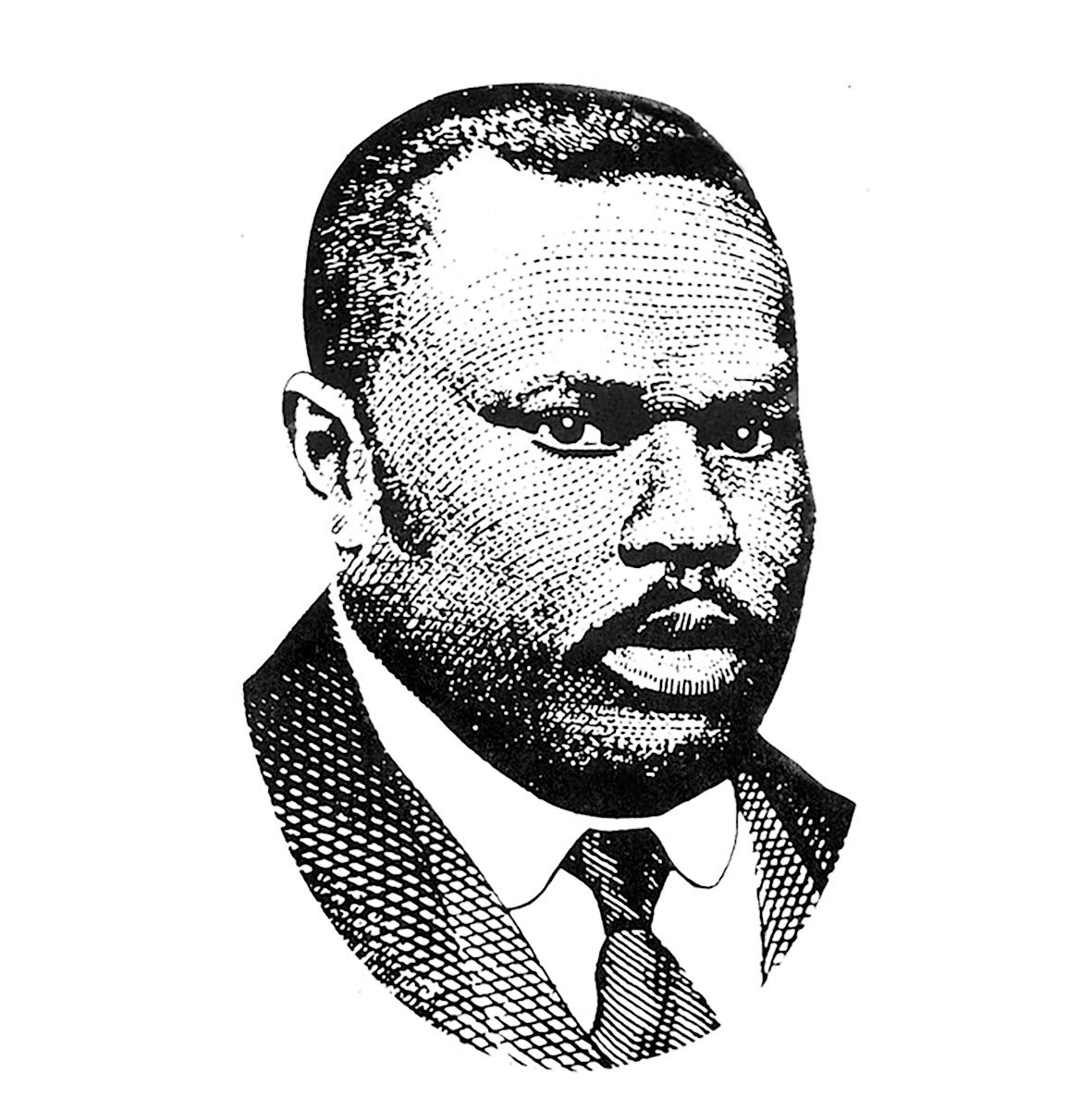 Marcus Mosiah Garvey.
-
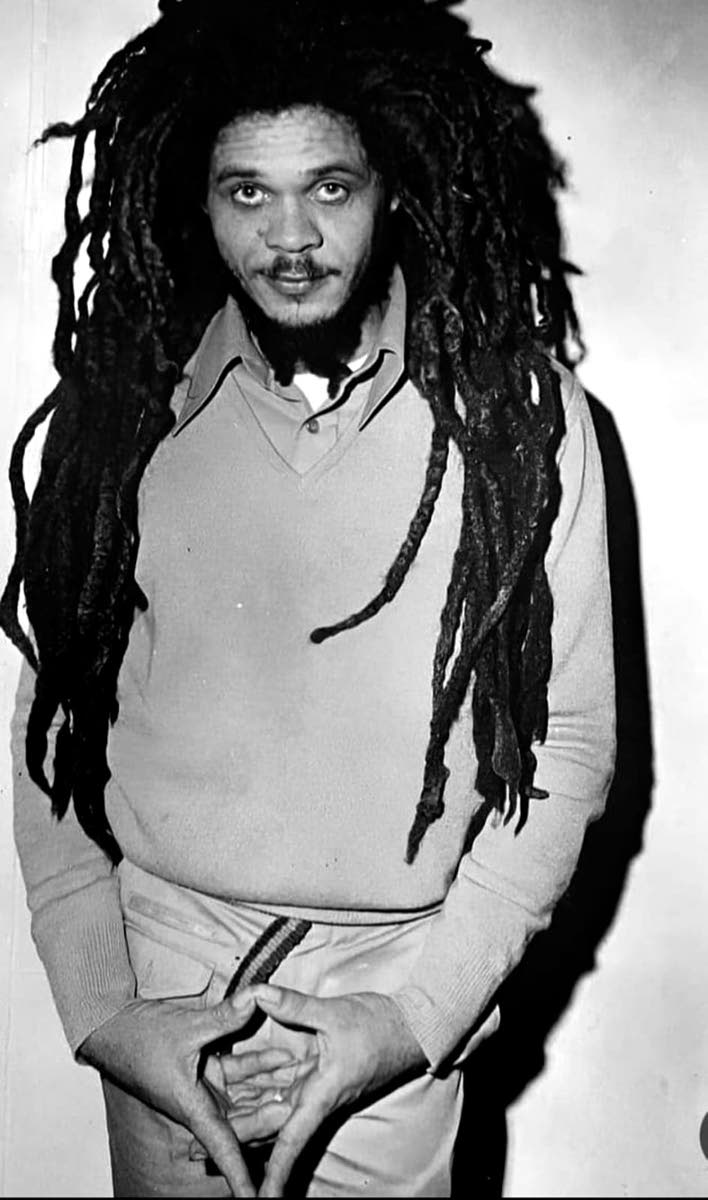 A young Fred Locks.
-
 Professor Donna P. Hope, one of the Caribbean’s foremost scholars of culture, gender, and society is this year’s guest lecturer at the 17th Annual Marcus Mosiah Garvey Lecture to be held today at 1 p.m.
Burning Spear, Bob Marley, Fred Locks, Culture, Freddie McGregor and Mutabaruka are among the reggae and roots reggae artistes who have paid tribute in song to Jamaica’s first National Hero, Marcus Mosiah Garvey. Today, August 17, is the 139th anniversary of the birth of the political activist, publisher, and entrepreneur. Garvey founded the Universal Negro Improvement Association and African Communities League (UNIA-ACL), Black Star Line steamship company and the Negro Factories Corporation, to foster global black economic autonomy.
Although Burning Spear is widely acknowledged as the man who has the biggest tribute songs to Marcus Garvey, foundation singer Fred Locks is an essential part of that conversation as well. It was in 1968 that he wrote Black Star Liner, but recorded in 1975 the song that would establish him as an artiste and make him want to continue recording.
Fred Locks’ powerful musical tribute was born out of his own embrace of Rastafari and the belief in the teachings of Garvey.
“I was 18 when I accepted the teachings of His Majesty and, as a young Rastaman, Marcus Garvey was the standard-bearer for repatriation and liberation. Back to Africa was the way out and the ships of the Black Star Line would take us there,” Fred Locks explained.
He gives credit to a brethren named Owen Goode, who he said gave him the melody and the line that said ‘ Seven miles of Black Star Liner coming in the harbour’.
“He told me to use that to write a song, and I went home and read a booklet that my sister had titled The Philosophy and Opinions of Marcus Garvey,” Fred Locks told The Gleaner.
He completed the song that same night but was at a point in his fledgling career when he didn’t want to do any recordings because of a bad experience with a well-known producer. Fred first performed Black Star Liner in 1972 at an event in Bull Bay where he was backed by Count Ossie and the Mystic Revelation of Rastafari. At a subsequent performance, a friend recorded it and it reached the ears of Hugh Boothe, who told him that he wanted to release it.
“I told him that I wasn’t recording and Boothe said something that changed me. He said ‘If yuh have a talent and bury it, yuh will lose it.’ Well, I went and checked him, finding him on the third attempt, and the song was recorded on the Jah Love label,” Fred Locks shared.
Tommy Cowan entered the chat when the song wasn’t getting any airplay, although both stations at the time had been serviced.
“We check Tommy because we press up thousands of copies but it wasn’t selling. And Tommy Cowan mek one call to Don Topping and another to Errol Thompson, and Black Star Liner played that same day on both radio stations. Is not who yuh know, is who know you,” Fred Locks said, adding that the song subsequently sold 15,000 copies in three months.
“Is Burning Spear have the big Marcus Garvey song dem, but some people consider Black Star Liner an anthem,” the singer stated.
He will be performing Black Star Liner this evening at I Nation’s tribute event in Spanish Town, and is planning to attend the 17th Annual Marcus Mosiah Garvey Lecture and Harambee at the Garvey Great Hall, 76 Upper King Street this afternoon.
A press release about the event stated that “Professor Donna P. Hope, one of the Caribbean’s foremost scholars of culture, gender, and society is this year’s guest lecturer. This year’s theme, ‘Educating for Liberation: Reclaiming Garvey’s Vision in the 21st Century’, will be expertly explored by Professor Hope, where she will examine the enduring relevance of Garvey’s educational philosophy and its significance to leadership, identity, and liberation in contemporary Caribbean society.”
Speaking on the significance of this year’s lecture, director of Liberty Hall, Faith Anderson, noted “this lecture comes at a pivotal time in Jamaica’s national conversation on education, identity, and youth development. As we reflect on the future of our society, this lecture reaffirms Marcus Garvey’s vision of education as more than academic achievement; it is a catalyst for character formation, self-determination, and national advancement. In revisiting his philosophy, we are reminded that education must not only prepare individuals to make a living, but also to lead with purpose, think critically, and contribute meaningfully to the development of the nation.”
yasmine.peru@gleanerjm.com