5 Questions With Blaqk Sheep
Loading article...
-
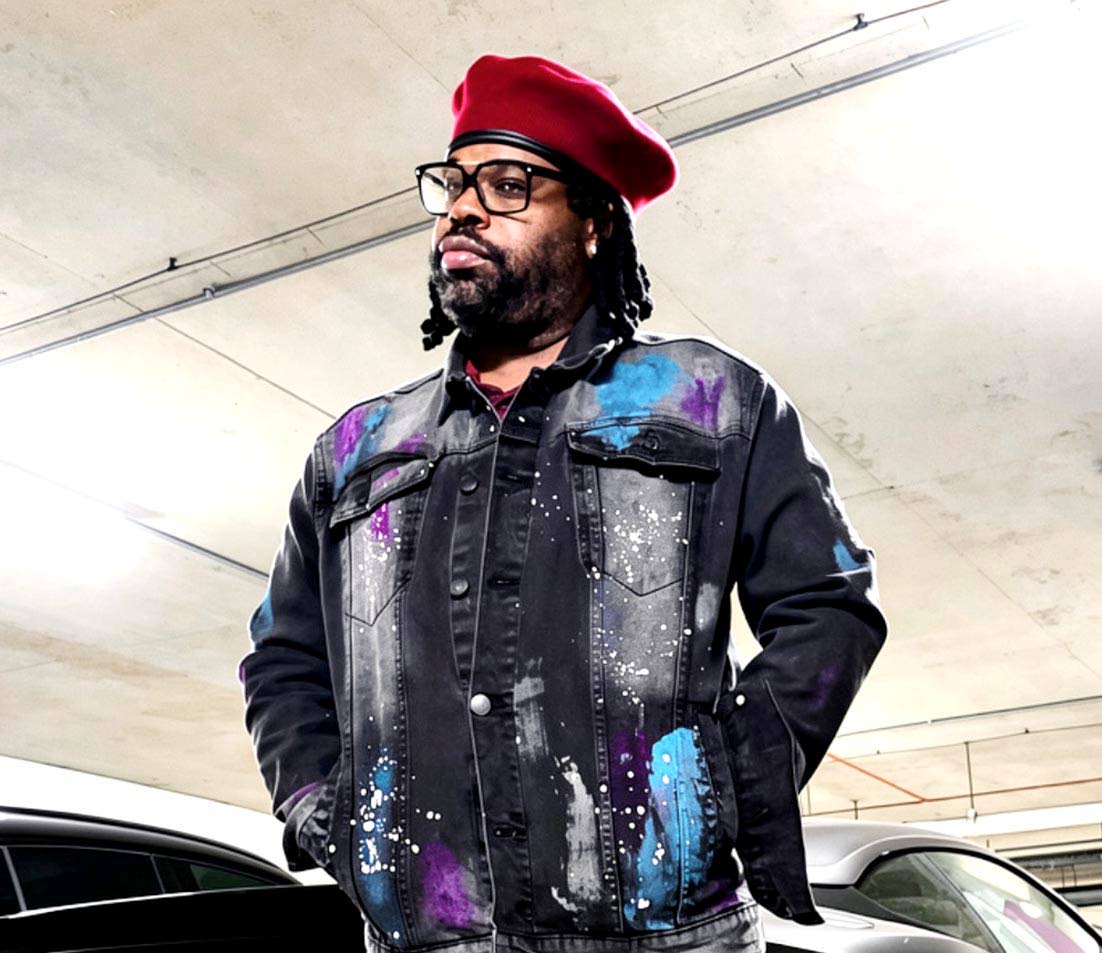 Blaqk Sheep keeps Jamaica at the foundation of his work while building music that can travel the world.
-
 Germaine ‘Blaqk Sheep’ Clarke wears several hats as a producer, engineer and founder and CEO of Blaqk Sheep Music.
Billboard producer, engineer, musician and writer Germaine ‘Blaqk Sheep’ Clarke is the founder and CEO of dancehall and reggae label Blaqk Sheep Music. Passionate about every area of the music, he recently shared how thrilled he was to join the Recording Academy’s 2026 Member Class, which affords him the opportunity to participate in the Grammy Awards process and to “advocate for our industry, uplift fellow artistes, and continue growing in my own craft”. Blaqk Sheep is in the spotlight for this week’s 5 Questions With ... .
1. Tell us how your approach to sound engineering shapes the way you build the rhythm for tracks, such as Julian Marley’s ‘Pages’?
Engineering always affects how I produce because I’m hearing the record beyond just the beat. I’m already thinking about space, where the vocal is going to sit, how the drums are going to hit, what frequencies are fighting each other and what needs to breathe. With a track like Pages, I wasn’t trying to overcrowd it. The rhythm needed to support the message and Julian’s vocal, so the production had to feel warm, musical and strong without getting in the way. I’m somebody who loves bass. I like to feel the record, not just hear it. But heavy bass doesn’t mean every space has to be filled. Sometimes the thing that makes a record powerful is knowing exactly what to leave out. That engineering mindset follows me into everything I produce.
2. What is the main difference when you switch your mindset from producing fast-paced dancehall to laying down a roots reggae track?
Dancehall usually needs to grab you quickly. I love a heavy bassline and drums that make you move as soon as they come in. That energy has always been a big part of my sound. You can hear different sides of that approach across records and riddims I’ve worked on over the years, from songs like Pages to projects such as Indicator, Ride It, Control Button, Burial Spot and others. Roots reggae asks for a different kind of patience. I’m listening more closely to the groove, the musicianship, the space around the vocal and what the singer is actually saying. I still want the bass to feel strong, because that is part of reggae, but it doesn’t have to fight for attention. Dancehall can hit you immediately. Roots reggae can sit beside you for years. I enjoy being able to do both.
3. How do you keep Jamaican street vibe flavour in your beats when mixing for international markets?
I don’t believe Jamaican music needs to lose its identity to travel. The drums, bass, language, attitude and rough edges are part of what made the world fall in love with Jamaican music in the first place. If I remove all of that, trying to make a record sound “international”, then what am I exporting? Travelling the world has helped me understand that even more. Being able to experience different countries, cultures and music firsthand opens your ears. You hear different rhythms, different instruments, different ways people use bass, melody and space. I think travelling is important culturally too. It reminds you that music can sound completely different from place to place and still connect people. So I take inspiration from what I hear around the world, but Jamaica stays at the foundation. My job in the mix is to make sure that Jamaican energy translates, whether somebody is listening in Kingston, London, Africa, Europe, America or through headphones. I’ll clean what needs cleaning. I’ll control the low end. I’ll make space. But I’m not going to polish Jamaica out of it.
4. What new sounds or genres do you want to mix into your upcoming projects?
I want to keep exploring African sounds, R&B, soul, alternative music, cinematic production and electronic textures alongside reggae and dancehall. Whatever I experiment with, there will probably always be some heavy bass underneath it. That part of me is not going anywhere.
5. As the CEO of Blaqk Sheep Music, what are the challenges of running an independent label?
Probably having to wear so many hats. When you are independent, one minute you are producing, and the next minute you are dealing with distribution, budgets, contracts, publishing, marketing, metadata, paperwork and somebody calling you about something completely different. As creatives, sometimes we just want to create. I know I do. There have definitely been times when I hated having to stop making music to deal with the business side. But I’ve learned that the business is what protects the creativity later. Understanding your rights, your splits, your publishing, your masters and having the right people around you matters. Even getting a good publisher who understands your catalogue and knows how to administer, collect and protect your work can make a huge difference over the life of a song. There is so much talent in Jamaica, but talent by itself does not guarantee ownership, longevity or even that you get paid correctly. So the challenge is building something sustainable while still protecting the part of you that just loves making music.
BRAWTA:
Name an up-and-coming artiste on the scene right now who you think needs a big break?
I’d say Samory I. He is already established, so I wouldn’t call him somebody who is waiting for his first break. People who know reggae already know what he can do. But I genuinely believe we have still only seen part of what he can become. There is something in his voice that feels rooted and timeless, but it still works with where reggae is going now. I believe he has the potential to become one of the biggest reggae artistes Jamaica has produced in this generation. Sometimes the next person to go to another level is not somebody nobody has heard of yet. Sometimes it is somebody who has already built the foundation and is just waiting for the rest of the world to catch up.
yasmine.peru@gleanerjm.com