Alfred Dawes | University Hospital of the West Indies needs an overhaul
Loading article...
-
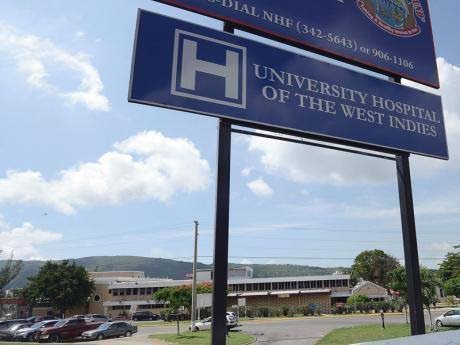 The University Hospital of the West Indies.
-
 Dr Alfred Dawes
The University Hospital of the West Indies (UHWI) stands as a beacon of healthcare and medical education for the Caribbean. Yet, a recent performance audit by the Auditor General’s Department has exposed deep-rooted management failures leading to widespread corruption within the procurement process.
These revelations have profound implications, not only for the hospital’s operation, but also for the integrity of its medical training programmes and public trust in Jamaica’s health sector. As the nation faces mounting challenges in delivering quality healthcare, the findings demand urgent attention, decisive action, and lasting reform.
The audit uncovered institutionalised corrupt procurement practices that laid bare the poor oversight of the hospital board and organisational structures that ought to have prevented or flagged them. This is not the first time there have been complaints of contract irregularities at the institution, but the scale to which they are occurring against the backdrop of increasing staff and patient dissatisfaction is staggering. If we are to save this Caribbean institution, nothing short of a comprehensive overhaul of its governance structure is required.
Beyond the procurement scandal, the audit highlighted weak oversight by the board of management, inadequate internal controls, and a culture of managers’ complacency, evidenced by the lack of financial statements spanning years. Whispers of whistleblowers facing intimidation and transfers to other posts, as well as the genuine concerns of the staff being ignored, never made it to the report. A toxic management culture has led to demoralised staff propping up the operation of the hospital with inadequate supplies caused by poor prioritisation of monetary resources. The cumulative effect of these failures has been to erode the hospital’s ability to fulfil its mandate of providing high-quality healthcare and training for the next generation of healthcare professionals.
STARKLY EVIDENT
The consequences of procurement corruption and management failures are starkly evident in the hospital’s day-to-day operations. There are reports of chronic shortages of essential medical supplies — ranging from gloves, to surgical equipment — which have left clinicians unable to provide timely and effective treatment. Patients complain that they frequently experience delays in diagnostics and surgery, leading to prolonged admissions, suffering and, in some cases, preventable complications or deaths. Overcrowding as a result of the inefficient provision of care threatens the viability of the hospital as a training and referral centre.
Staff morale has plummeted as burnt-out doctors and nurses are forced to improvise with inadequate resources, while their pleas fall on the deaf ears of those tasked to lead them. Meanwhile, the financial losses from corrupt contracts mean less funding is available for critical infrastructure upgrades, vital medical supplies, staff training, and patient services.
To address these systemic problems, a comprehensive overhaul of the hospital’s organisational structure, targeting the root causes of corruption and inefficiency, is immediately needed, not another review to conclude what is already written here.
Currently, the UHWI’s board of management functions primarily in an advisory capacity, with limited authority to enforce decisions or oversee day-to-day operations. The board of management should be able to undertake management decisions and have functional audit and procurement subcommittees rather than listening to reports after the horses have repeatedly bolted the gates. Clear decision-making powers and direct accountability for the hospital’s financial and operational performance, thus limiting the powers of the CEO, must be priority reforms. This shift would empower the board to set strategic priorities, monitor implementation, and intervene swiftly in cases of mismanagement or corruption.
AUDIT COMMITTEE
The dedicated audit committee established within the new executive board structure would be responsible for the continuous monitoring of procurement activities, financial transactions, and compliance with established policies. By conducting regular, independent reviews and reporting directly to the board, the audit committee would serve as a critical safeguard against irregularities and ensure that corrective action is taken swiftly.
The procurement department, as the epicentre of the corruption scandal, requires urgent restructuring. The director of procurement must report directly to the board and not the CEO. All procurement activities must adhere to strict guidelines, including competitive bidding, independent evaluation panels, and full documentation of every transaction. The barefaced labelling of procurement contracts as emergencies, thus bypassing the customary scrutiny, must be abolished, along with the now well-known splintering of contracts to avoid reporting thresholds.
Further, the hospital should invest in digital procurement systems that track orders, deliveries, and payments in real time, creating a clear audit trail and reducing opportunities for fraud. Staff should receive regular training in ethical procurement practices and be encouraged to report suspicious activities through protected whistleblower channels.
The AG audit may have focused on procurement , but it shone the light on the failures of the organisation’s governance structure and, at best case, the incompetence and blasé attitude of its senior management. These oversight failures have laid bare the islandwide corrosive effects of procurement corruption and weak governance on Jamaica’s healthcare system that must be addressed before we pump any more money into the money pit called the Ministry of Health and Wellness. Let the first step of that journey be at the UHWI. Without immediate and comprehensive reform, the hospital risks further decline, with dire consequences for patient care, the next generation of health professionals and healthcare across the Caribbean.
By transforming the board of management into an executive body, establishing a vigilant audit committee, and restructuring the procurement department, the UHWI can begin to restore integrity, accountability, and efficiency. The time for action is now — for the sake of patients, staff, and the future of healthcare in Jamaica and the wider Caribbean.
Dr Alfred Dawes is a general, laparoscopic and weight loss surgeon and the shadow spokesman on health and wellness. Follow him on Twitter @dr_aldawes. Send feedback to columns@gleanerjm.com and alfred.dawes@gmail.com.