Dennis A. Minott | Milking Anansi’s Island
Loading article...
-
 Pexels
-
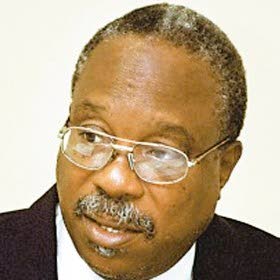 Dennis A Minott
On Anansi’s island, nobody admits to owning the cow. Yet every morning the pail is full, the cream is missing, and the ordinary insects are told to be grateful for the mere smell of milk.
This is the genius of modern exploitation. It comes dressed as development, investment, reform, partnership, transformation, resilience, renewal and whenever the public becomes suspicious, “stakeholder engagement”. The language grows grander as the public benefit grows thinner.
Anansi’s Island is governed by a simple rule: whoever controls the story controls the dairy.
The people are told that sacrifice is necessary. Wages must be restrained. Taxes must be collected. Fees must be increased. Public assets must be “rationalised”. Communities must surrender land for projects whose prospectuses they will never see. Citizens must endure higher prices today so that prosperity may arrive tomorrow, usually by way of a press release, a memorandum of understanding, and an artist’s impression.
Tomorrow, however, is the busiest liar on Anansi’s Island.
It is always coming, never arriving. It brings jobs that become consultancy contracts, ownership that becomes concession, competition that becomes monopoly, and national development that somehow requires the nation to stand outside the grill-gate.
The milking begins with public resources and ends with private cream.
A resort opens under statutory Productive Input Relief, tax waivers and duty-free import passes – yet with 60 cents of every foreign dollar leaking straight back offshore through imported luxury and foreign-held accounts, the host community is left sweeping up the dust. A natural resource is extracted, but the soil nearby remains hungry. An energy project is announced, and before the first unit is generated, lawyers, advisers, brokers, promoters, and political courtiers have already been well buttered and fed.
The public is then shown the cow from a safe distance inland. “Look,” says Anansi, pointing proudly. “Economic activity!” Never mind who owns the pail.
Anansi’s friends, naturally, are exceedingly well shod. Even their shoes acquire Jamaican soul: our musicians give them rhythm, our streets give them swagger, and our young people turn imported leather into cultural legend. Yet the royalties keep their foreign passport and private-equity bank account. Anansi’s Island supplies the attitude, authenticity, and advertisement then receives the privilege of purchasing its own cultural influence back at a wicked retail price.
The most successful milkers do not steal in darkness. They organise ceremonies. They cut ribbons. They establish foundations. They sponsor school competitions, give out stately courthouses, and donate tablets. They appear on panels about nation-building. They speak solemnly about inclusion while ensuring that the contracts, concessions, licences, and privileged access remain carefully concentrated.
This is not crude corruption, which is so vulgar – and risky besides. Modern milking prefers respectability. It is less interested in brown envelopes than in rules written to favour those already seated at the table.
The trick is to make extraction look decent and inevitable.
Citizens are told that only one investor has the capital, only one operator has the expertise, only one consortium can deliver, only one technology is serious, only one deal is bankable, and only one group understands the urgency. By the time the public asks whether alternatives were considered, the answer is that delay would damage investor confidence.
Investor confidence, on Anansi’s Island, is a delicate bird. Let that sit: ’Tis a delicate bird. It must never be frightened by transparency, competition, public scrutiny, or arithmetic.
Citizens’ confidence, by contrast, is expected to survive anything – to have more robust faith in humanity’s insects.
It must survive procurement mysteries, cost overruns, secret clauses, shifting timelines, selective taxation, weak regulation, and the miraculous disappearance of accountability once elections are over. When citizens complain, they are accused of negativity. When journalists investigate, they are accused of undermining development. When insect professionals raise technical objections, they are told not to politicise the matter.
This is how the milking machine is protected: every question becomes sabotage.
Anansi’s greatest achievement is psychological. He persuades the people that the island’s poverty is caused mainly by the poor.
The struggling family is lectured about financial discipline while politically connected enterprises receive concessions. The small farmer is told to become efficient while imported food enters through powerful networks. The microbusiness must comply with every rule while the large operator negotiates its obligations behind closed doors. The young graduate is advised to innovate, but the gateways to capital, land, distribution, and public contracts remain guarded by familiar hands.
Then, with exquisite humour, the nation celebrates entrepreneurship.
On Anansi’s Island, the small shopkeeper takes genuine commercial risk while utility promoters demand 20-year “Take-or-Pay” Power Purchase Agreements – ensuring that private returns are guaranteed by public ratepayers whether the light stays on or off. That difference explains much of the wealth we mistake for genius.
The true scandal begins when private profit depends upon public ignorance, public subsidy, public guarantees, and public silence. It deepens when losses are socialised while gains are fenced off. It becomes intolerable when those benefiting from the arrangement lecture the insects about fiscal responsibility.
The cow belongs to every insect only when it is sick. When it produces cream, ownership becomes sort of complicated and cloistered.
Still, the people are not helpless. Anansi’s power depends upon confusion, fragmentation, and short memory. His web weakens whenever insect-citizens ask clear questions and insist upon clear answers.
Who owns the asset? Who financed it? Who carries the risk? Who receives the revenue? What guarantees were offered? What taxes were waived? What alternatives were rejected? Who conducted the valuation? Who selected the contractor? What happens if the project fails? What benefits remain in Jamaica after dividends, debt payments, imports, and management fees leave?
These are pro-country questions.
A serious nation distinguishes investment from extractive sucking. It welcomes capital that builds local capability, expands Jamaican ownership, trains workers, deepens supply chains, pays fair taxes, respects communities, and leaves the country stronger than it found it.
Milking is different. It removes value while leaving the animal hungry, sucked – and still strapped to the machine.
The remedy is neither envy nor hostility towards success. It is quietly democratic housekeeping: open bidding, independent regulation, beneficial-ownership disclosure, enforceable local-content commitments, published performance targets, and penalties that actually bite. Sunshine does not frighten honest investors. It merely inconveniences those who prefer milking before daylight.
Jamaica’s challenge is to negotiate from self-respect. We must stop treating every wealthy visitor as a messiah and every memorandum as a miracle. We must strengthen institutions able to examine proposals before political excitement glues them into national epoxy.
Most of all, citizens must refuse the role assigned to them in Anansi’s script: taxpayers during failure, spectators during profit, and grateful recipients of stale crumbs during fresh celebration.
The island is not poor because it lacks milk. It is poor because too many pails are hidden, too many hands are privileged, and too much cream departs – even before breakfast.
Anansi will continue smiling, of course. That is his well-rehearsed persona. Our duty is not to stop him smiling.
It is to count the cows, inspect the pails, publish the contracts, follow the cream, and make certain that those who own the island are no longer the last to drink its milk.
Dennis Minott, PhD, is the CEO of A-QuEST-FAIR. Send feedback to: a_quest57@yahoo.com or columns@gleanerjm.com.