Imani Tafari-Ama | Dem pepper-spray Desmond eye
Loading article...
-
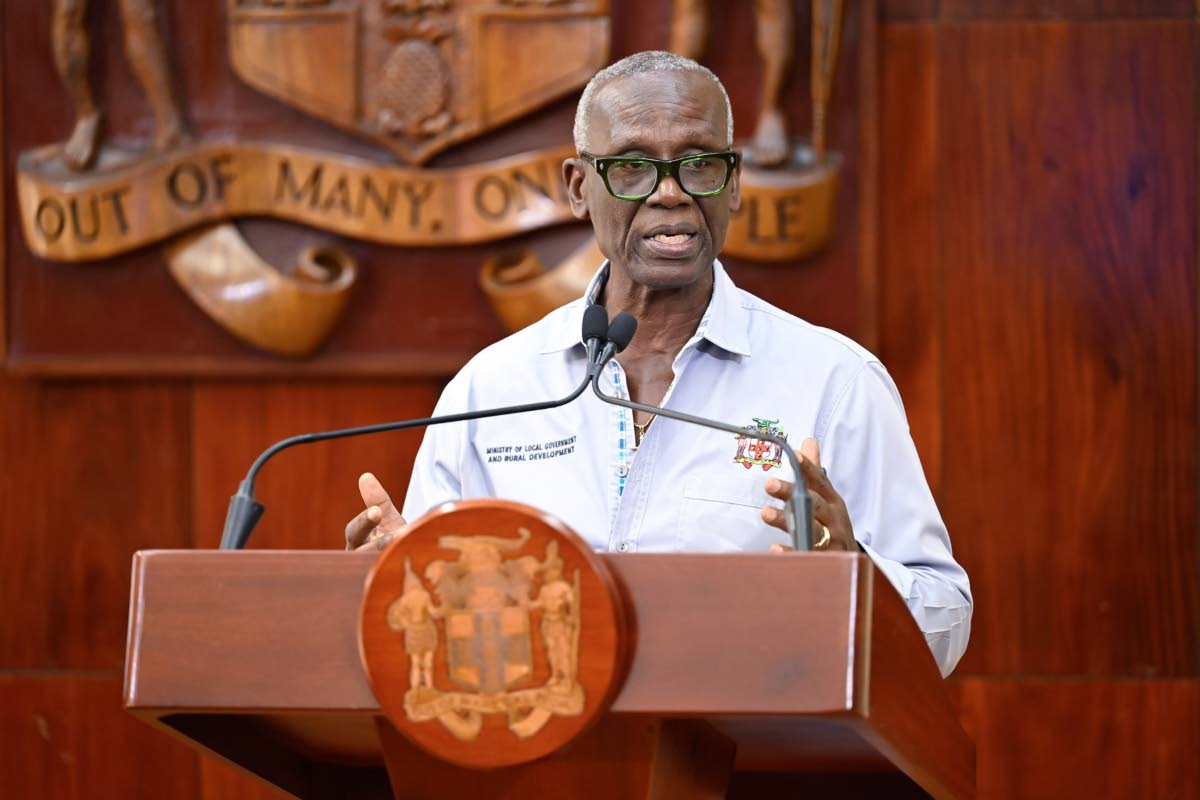 Minister of Local Government and Community Development, Desmond McKenzie, addresseing a special press briefing on Hurricane Melissa recovery at Jamaica House on November 26. Photo - JIS News
-
Minister of Local Government and Community Development, Desmond McKenzie, addresseing a special press briefing on Hurricane Melissa recovery at Jamaica House on November 26. Photo - JIS News
-
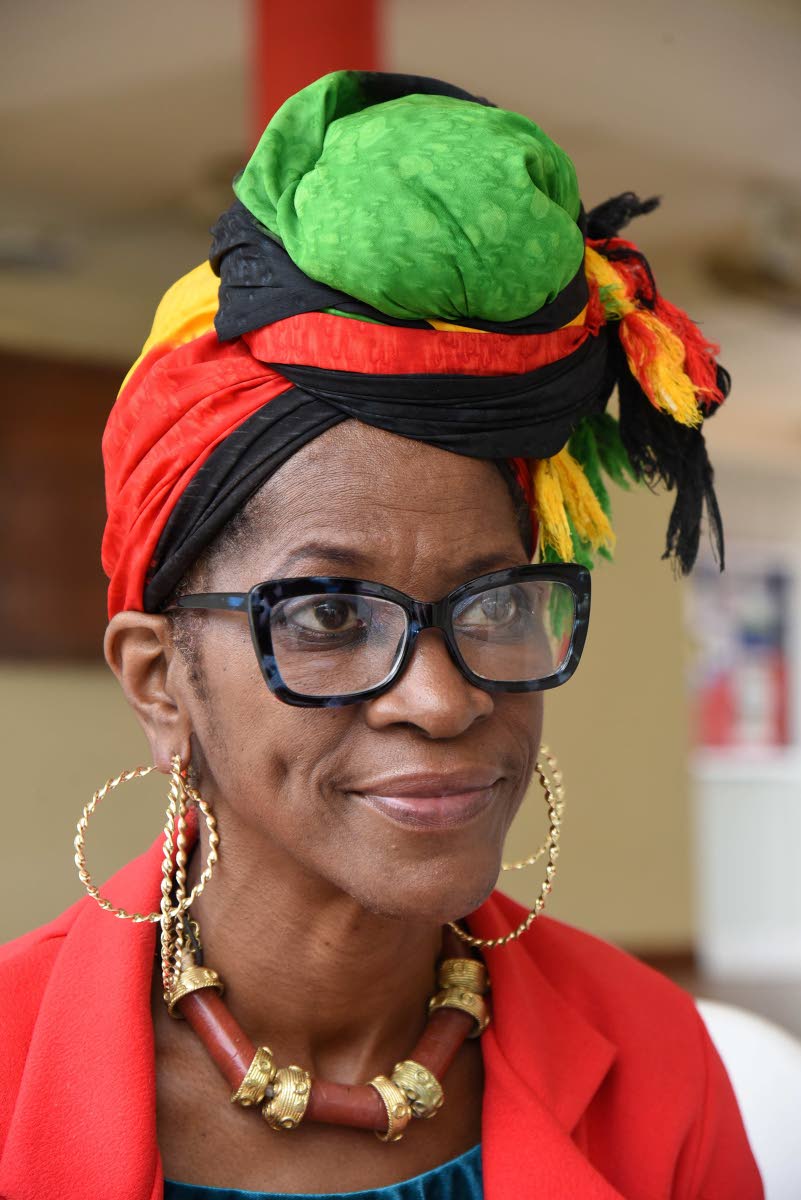 Imani Tafari-Ama. Photo - Contributed
Social media gave wings to the story of police pumping pepper spray into the eyes of Desmond McKenzie, MP for the West Kingston constituency in Jamaica. You could not scroll without encountering some version of public commentary on the viral incident, which resulted in the public official losing his sight for 25 minutes.
Various versions of critical responses were spontaneously dubbed “dem pepper-spray Desmond eye!” Desmond McKenzie was pepper-sprayed because he stepped between a police officer and a young woman the officer was trying to detain during a tense confrontation that followed a police shooting in West Kingston.
Savage satisfaction at the unfortunate fate of a politician getting a taste of the medicine available to the public on an everyday basis seeped through the cracks of some of the curated opinion pieces. Some of the social media experts alluded to politicians’ support of the operational overreach of the security forces. High current rates of extra-judicial killings and routine use of excessive force, including the use of pepper spray, were some of the issues addressed. Posts were also liberally laced with anger at the assault on the political representative.
Police-community relations in Jamaica are rooted in colonial violence. Political violence, gang formation, social inequality, and repeated cycles of mistrust are typical, especially in inner-city communities like West Kingston. Understanding this history makes the story of the pepper-spraying of Desmond McKenzie feel less like an isolated event and more like part of a deeper, structural story.
Policing in Jamaica began as a tool to control enslaved Africans and suppress resistance and uprisings. This form of policing involved surveillance and coercion, not service. The brutal British response to the 1865 African uprising in Morant Bay against the unjust living conditions of the post-Emancipation era established the use of state violence to suppress the African majority population.
It is important to make this foundational connection because it has shaped public perception of law enforcement. Over the decades, the police have been viewed with suspicion, mistrust, and open hostility. In underserved areas, they are even seen as an occupying force rather than community protectors.
From the 1960s to the 1980s, political parties built “garrisons”, which were branded by affiliation to the two leading parties: the Jamaica Labour Party (JLP) and the People’s National Party (PNP). These neighbourhoods were controlled by party-aligned strongmen called area leaders or dons. Political parties armed local enforcers to secure votes and territory. Police often clashed with these groups, sometimes violently. Communities saw police as aligned with whichever party held state power. West Kingston (Tivoli Gardens, Denham Town) became the most famous garrison, where policing was often militarised.
Top-down police-community engagement has resulted in the use of violence as a power mechanism in the body politic. This pathology was vividly performed in the online video featuring a four-year-old boy, who threw his two cents into the nine-day wonder of the pepper-spraying of Desmond McKenzie.
“Desmond eye!” the boy announced. Someone in the background asks the boy, “Who pepper-sprayed Desmond eye?” and the boy responds, “Me! You bright eh? Pepper-spray Desmond eye!” All the while, the boy’s swagger unmistakably announced him as a “rudeboy” or someone capable of producing violence.
Jamaica’s deadliest election year intensified police-community tensions. Over 800 people were killed in politically aligned violence. Police were accused of bias, brutality, and selective enforcement. Communities became further polarised and policing became entangled with political identity. This period reinforced the idea that police power could be used politically. This perception still shapes public reactions today.
In many inner-city areas, local dons became de facto authority figures. They provided jobs, protection, and social services the state failed to deliver. Police were seen as outsiders who entered only to conduct raids or arrests. Residents often trusted dons more than the police. In the past year and a half, hostilities towards police have intensified because of targeted killings of alleged wrongdoers by the state forces.
Mr McKenzie called the pepper-spraying blunder unfortunate. That, surely, is an understatement. The brazen use of unnecessary force against civilians by officers of the law has crossed a red line by being directed at a member of parliament. But that presumes that an MP’s rights are more valuable than those of ordinary citizens from underserved communities.
Tivoli Gardens (TG) was established on the ashes of Back o’ Wall by former Prime Minister Edward Seaga, the MP for more than four decades. Over the years, TG has been the flashpoint for the clash of police and community power, with the application of violence being the modus operandi.
In May 2010, the State launched a military-style operation to capture the then don of West Kingston (and satellite areas), Christopher ‘Dudus’ Coke. Officially, more than 70 civilians were killed. Residents reported excessive force, unlawful killings, and destruction of property. The incident triggered international scrutiny and a Commission of Enquiry. It remains one of the most traumatic events in Jamaica’s policing history. For West Kingston, this was a turning point. Memories of the incursion still shape how residents interpret any police intervention.
Jamaica has made reforms to the police arm of the State. Key changes include INDECOM (2010), which provides independent oversight of police misconduct. The use of body cameras signals an intention to move in the direction of accountability. However, low levels of live documentation of police operations and the inconsistent use of body cameras show a lack of political will to follow through with this initiative.
The McKenzie incident did not happen in a vacuum. It was contoured by the history that preceded it. It landed in a place where the historical bricks of violence were laid for that very moment.
In Jamaica, police-community relations are never just about the present moment; they are always connected to a long, complicated past. This festive period reminds us that the promise of emancipation from the crimes of enslavement has still not been realised. The face of independence, with the British Crown intact as head of state, needs urgent reworking. This will also signal the era of a more people-centred approach to policing.
Imani Tafari-Ama, PhD, is a Pan-African advocate and gender and development specialist. Send feedback to i.tafariama@gmail.com and columns@gleanerjm.com.