Beyond ackee and salt fish: UTech students reinvent J’can favourite
Loading article...
-
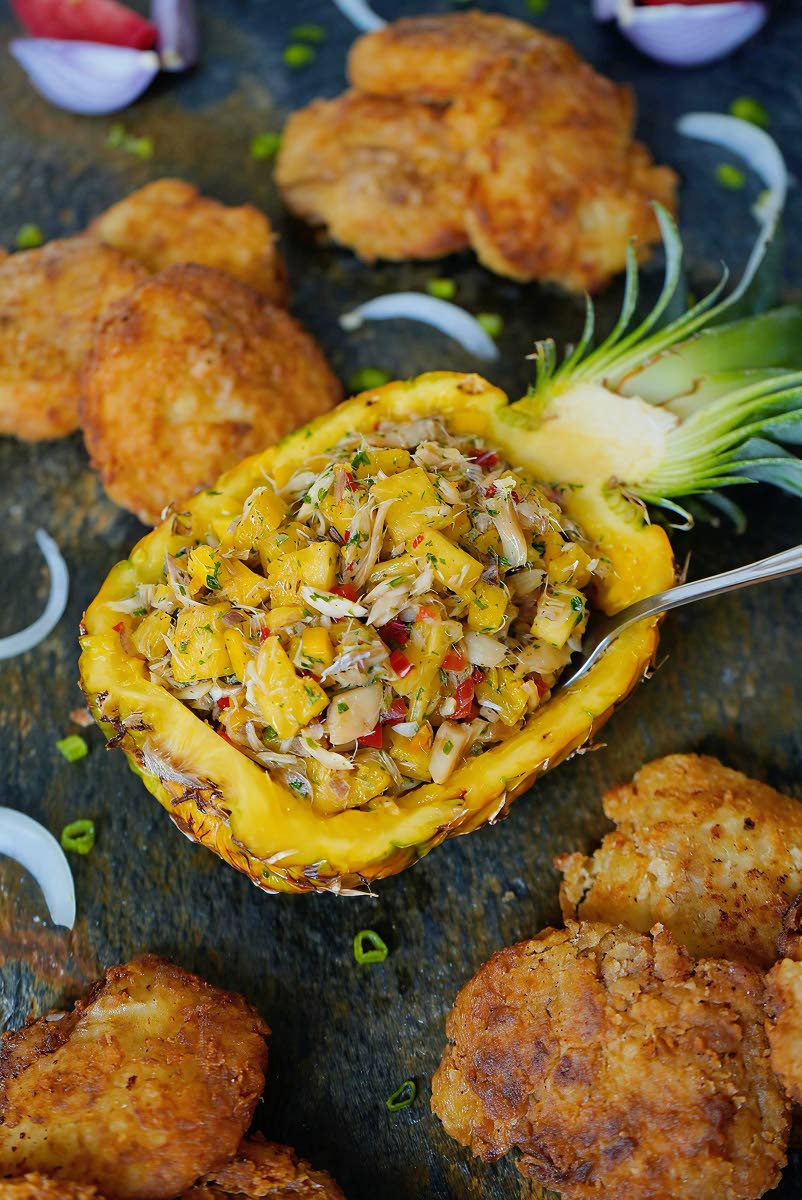 A vibrant salt fish salsa served in a cored pineapple.
-
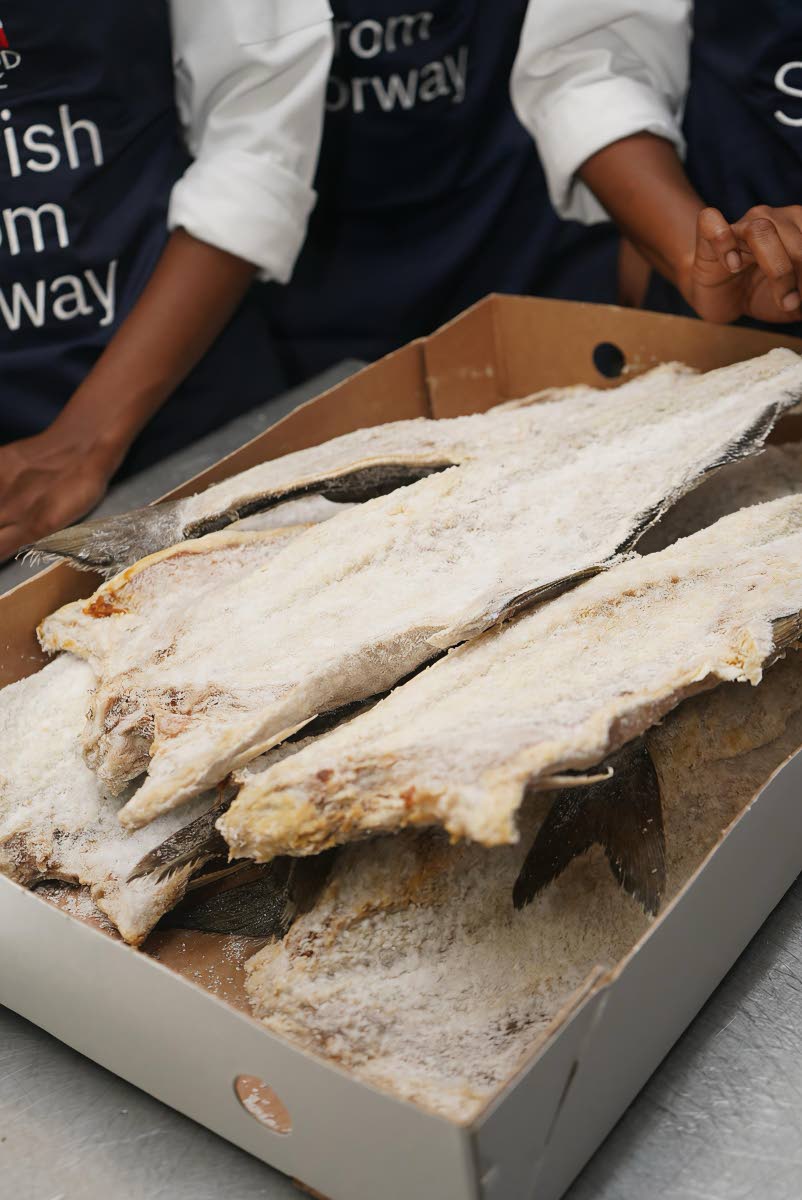 Norwegian salt fish, the familiar Jamaican ingredient being reimagined by students of the University of Technology.
-
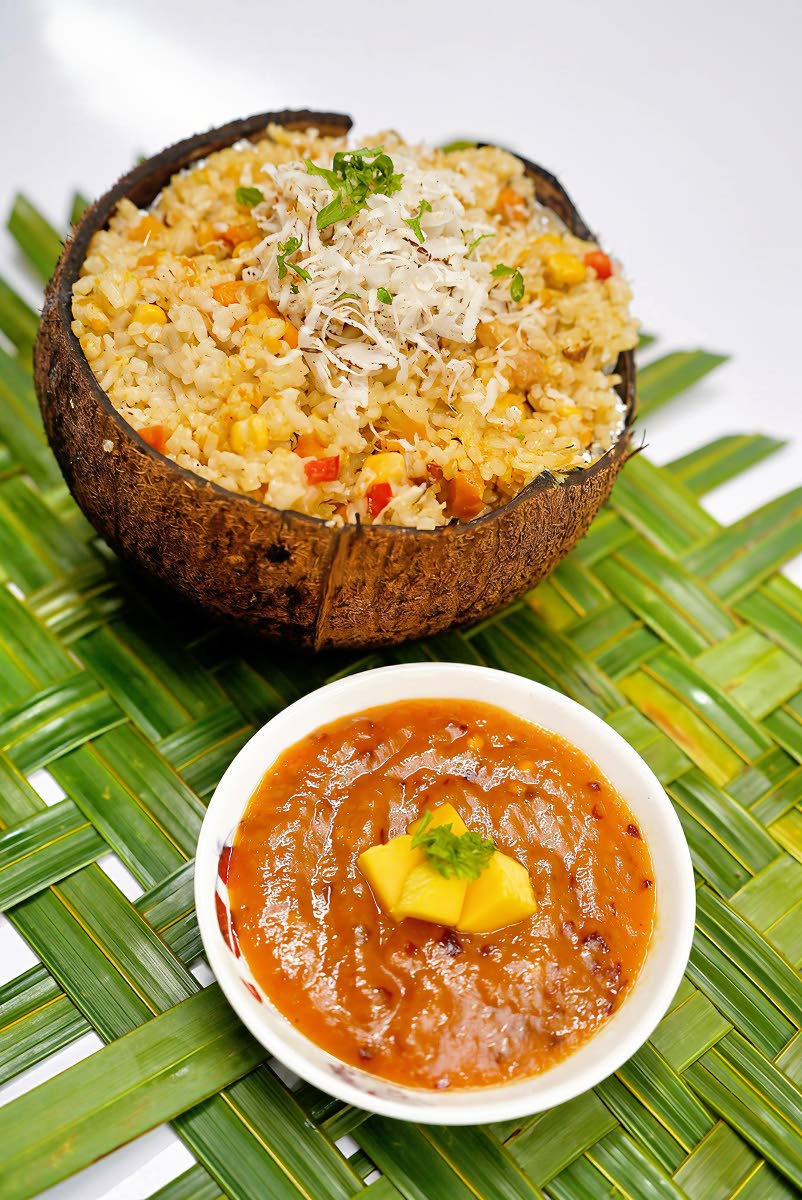 Coconut salt fish rice served inside a coconut shell.
-
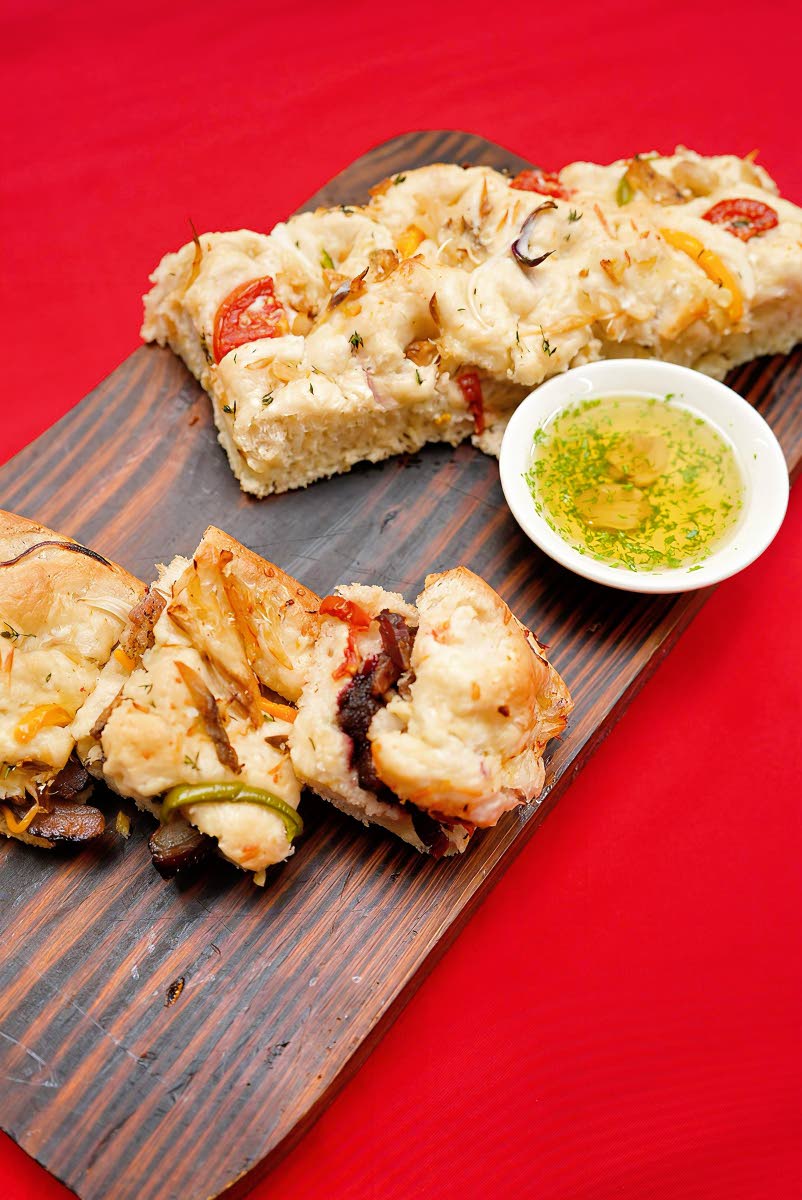 A focaccia sandwich layered with barbecue pork, sorrel jam and seasoned salt fish.
Salt fish received a contemporary makeover at the University of Technology (UTech), Jamaica, where a group of young chefs is proving the familiar ingredient can go far beyond ackee and salt fish.
Think fresh salt fish salsa served in a cored pineapple, a rustic focaccia sandwich layered with barbecue pork, sorrel jam and seasoned salt fish, or coconut rice served inside a coconut shell. These dishes were created by third-year students in UTech’s School of Hospitality and Tourism Management as part of a food styling, writing and photography course.
Norwegian salt fish has long had a place in Jamaican cuisine, but for generations, its place on the plate has remained largely unchanged. Beyond the familiar pairings of ackee and salt fish, callaloo, cabbage, butter beans and stir-fried preparations, it is rarely imagined in new ways.
This year’s project challenged the students to change that. Through a collaboration with the Norwegian Seafood Council (NSC), they were tasked with showcasing the versatility of Norwegian salt fish through contemporary entrées and sandwiches.
As part of the programme, students conceptualise, prepare, style, photograph and write original recipes for their own professionally produced food magazine. The assignment was not simply about creating food. It challenged students to think like today’s culinary professionals, where success depends not only on technical cooking skills but also on creativity, presentation and storytelling.
Every dish had to be carefully developed, beautifully plated, professionally photographed, and accompanied by editorial content worthy of publication.
Rethinking a familiar ingredient
For many students, the experience fundamentally changed the way they viewed salt fish.
“As a Jamaican, I just thought that salt fish could only be used in ackee and salt fish or butter beans,” admitted third-year student Camaya Edwards. “But now I see it can be used in macaroni and cheese, pasta and a lot of other dishes.”
Her revelation became a common theme throughout the class. Instead of treating salt fish as an ingredient reserved for traditional dishes, students embraced the opportunity to pair it with bold flavours, modern techniques and imaginative presentations.
“I would say to anyone who thinks salt fish is only for traditional dishes to widen their [horizons], because salt fish can be incorporated into multiple dishes,” said Samoya Thomas. “You can innovate even the simplest of dishes.”
Her coconut salt fish rice, served inside a coconut shell, reflected exactly that philosophy. The presentation preserved the Caribbean identity of the dish while transforming it into something visually striking and restaurant-worthy.
For Kerisha Green, innovation came through flavour pairing. Drawing inspiration from techniques she learnt in a previous pâtisserie class, she created a salt fish focaccia sandwich complemented by barbecue pork and sorrel jam.
“I remembered making focaccia and thought the herbaceous notes would pair well with the salt fish because we’re always cooking it with aromatics like garlic and onion,” she explained. “The sweet notes from the sorrel jam and the savoury flavours all worked together.”
Meanwhile, Trishelle Francis transformed salt fish into a refreshing pineapple salsa served inside a cored pineapple alongside crispy Irish potatoes. The concept, inspired by Chef Patrice Harris Henry, demonstrated how thoughtful presentation can completely reshape diners’ expectations of a familiar ingredient.
Working with premium Norwegian salt fish gave students a firsthand look at how ingredient quality shapes the finished dish. For Rabyaah Fisher, that difference showed up in the texture of the fish itself, which held together well through the cooking process.
“It had a fleshier texture and didn’t break apart while I was cooking it,” she said. “Even after boiling, it wasn’t dry, and that really elevated the final dish.”
For Chef Henry, understanding quality sourcing and sustainability is another essential part of modern culinary education. Future chefs, she noted, must appreciate not only how to prepare ingredients but also where they come from, how they’re sourced and the role those decisions play in building consumer trust and long-term business success.
That emphasis on origin and quality reflects a broader effort by the NSC, which has been working since 2024 to build awareness in Jamaica around premium, authentic Norwegian salt fish.
Unlike traditional culinary programmes that focus primarily on cooking techniques, the course equips students with skills increasingly demanded by today’s food industry. Alongside recipe development and plating, students learn food styling, photography, editorial writing, collaboration, and visual storytelling skills that allow them to market not only their dishes but also themselves.
“They leave feeling energised and encouraged that this is a career path they can pursue,” Henry explained. “They don’t have to just be chefs. They can become food stylists, content creators or work in many other areas of the culinary industry.”
The project also reinforced the value of collaboration. Students learnt how to network, work as a team, and see a vision through from concept to completion, realising along the way just how creative they are.
“It was more than just cooking; it was an entire 360-degree approach.”
Whether transformed into a gourmet focaccia sandwich, a vibrant pineapple salsa, coconut rice or other contemporary creations, the students proved that salt fish is capable of far more than many Jamaicans have imagined.
lifestyle@gleanerjm.com