Bioregeneration brings hyperbaric oxygen therapy to Jamaica
Loading article...
-
 Members of the Bioregeneration Integrated Medical Centre team (from left); Dr Janice Simmonds-Fisher,
Dr Kimberli Dowding, Dr Sherri-Ann Jackson.
Members of the Bioregeneration Integrated Medical Centre team (from left); Dr Janice Simmonds-Fisher,
Dr Kimberli Dowding, Dr Sherri-Ann Jackson.
-
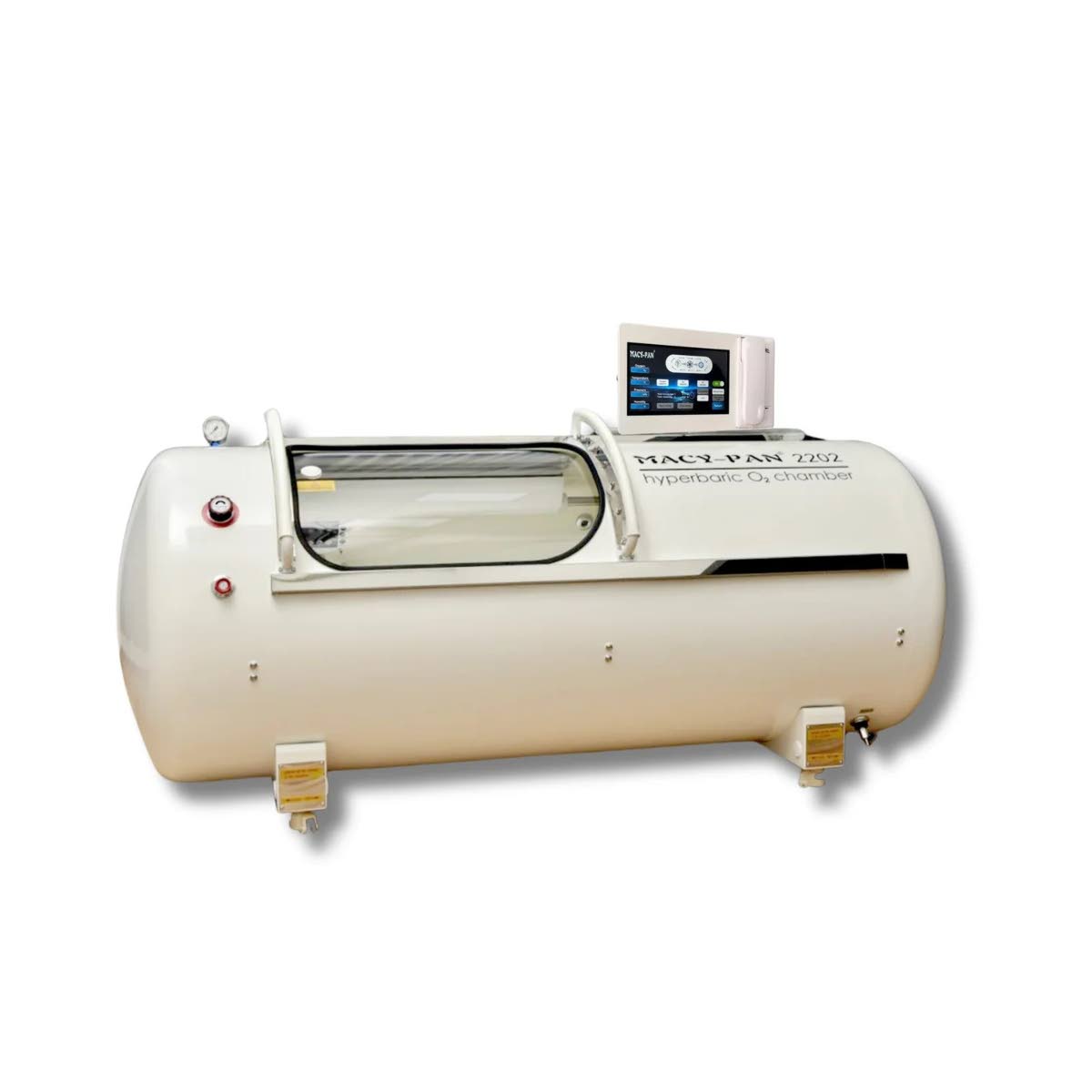 Bioregeneration’s Hyperbaric Oxygen Chamber, which delivers oxygen in a pressurized environment to support healing and recovery.
-
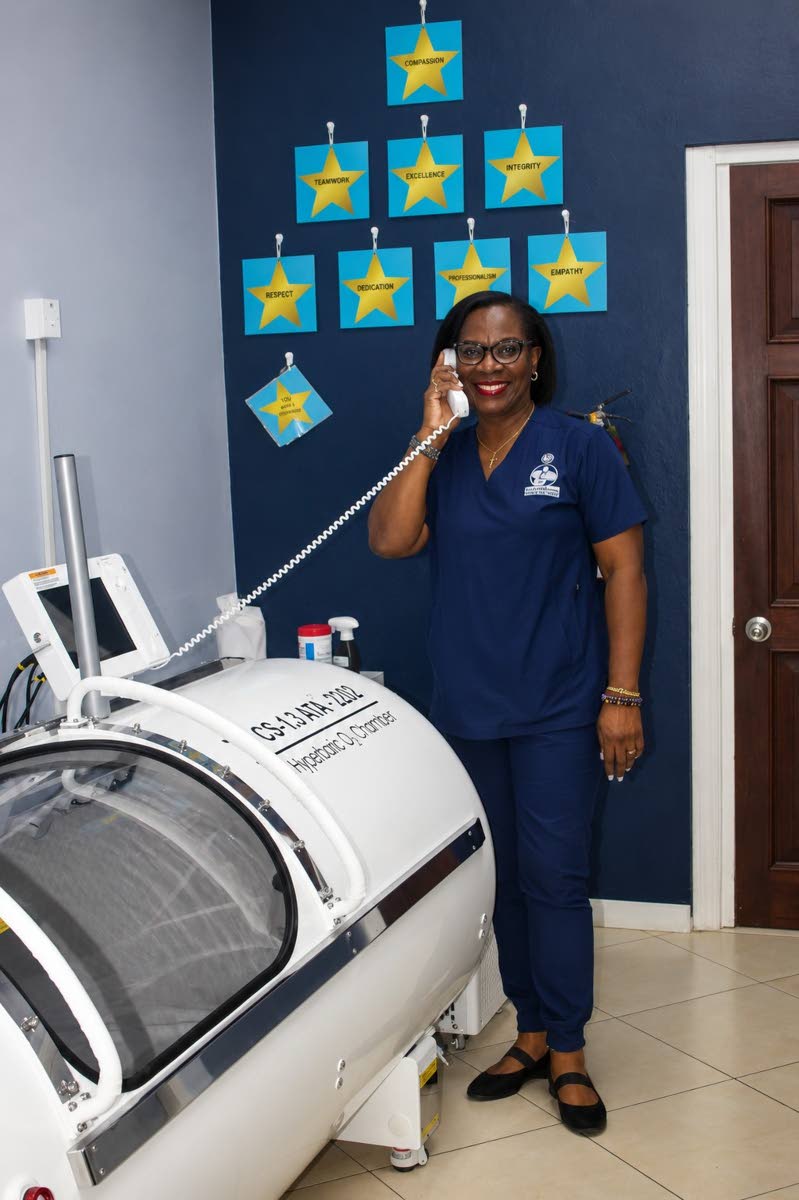 Nurse Jacynth Moore, Intermediate Hyperbaric technician, alongside Bioregeneration’s Hyperbaric Oxygen Chamber, one of the centre’s newest treatment offerings.
Bioregeneration Integrated Medical Centre has launched hyperbaric oxygen therapy (HBOT) in Jamaica, giving patients access to a treatment that has been used in hospital settings internationally for select medical conditions, including certain non-healing wounds, radiation injuries, decompression sickness and carbon monoxide poisoning.
The regenerative and integrative medicine centre, which operates locations in New Kingston and Montego Bay, says the new service is designed to support healing, recovery and wellness under physician supervision.
HBOT involves breathing near-100 per cent medical oxygen while inside a chamber pressurised above normal sea-level pressure. According to the Undersea and Hyperbaric Medical Society (UHMS), clinically recognised HBOT uses pressure of at least 1.4 atmospheres absolute (ATA), with common treatment pressures ranging from 2.0 to 3.0 ATA and sessions typically lasting 90 to 120 minutes.
The increased pressure allows more oxygen to dissolve in the blood plasma and reach tissues that may have limited oxygen supply. “Oxygen is fundamental to every healing process in the body, and HBOT allows us to deliver more of it, faster, directly to the tissues that need it most,” said Dr Janice Simmonds-Fisher, medical director and chief executive officer of Bioregeneration Integrated Medical Centre.
“This launch reflects our continued commitment to bringing advanced, evidence-based regenerative therapies to patients in Jamaica, without patients needing to travel abroad for this level of care,” she said.
HBOT is not a treatment for every condition, and its effectiveness varies depending on the medical problem being treated.
The FDA-cleared indications associated with hyperbaric oxygen chambers include conditions such as air or gas embolism, carbon monoxide poisoning, decompression sickness, selected problem wounds, certain severe infections, refractory osteomyelitis, delayed radiation injury, compromised skin grafts and flaps, and acute thermal burns.
Research into chronic wounds provides some indication of its potential benefits. A Cochrane review found that HBOT appeared to improve the likelihood of short-term healing of diabetes-related foot ulcers and may reduce the likelihood of major amputations, although the researchers cautioned that limitations in the available trials mean the long-term benefits remain uncertain.
One study involving 142 patients receiving HBOT for lower-extremity wounds reported an overall healing rate of 59 per cent. The study also found that patients whose tissue oxygen levels were adequately elevated during treatment had substantially different healing outcomes, highlighting the importance of individualising treatment.
These figures illustrate why HBOT should be viewed as a targeted medical therapy rather than a universal wellness treatment.
Under ordinary atmospheric conditions, oxygen is carried primarily by haemoglobin in the blood. During HBOT, the combination of high oxygen concentration and increased pressure enables substantially more oxygen to dissolve in plasma.
The additional oxygen can then be delivered to tissues where healing may be compromised. For patients undergoing medically indicated treatment, the goal may include supporting wound healing, combating certain infections, improving oxygenation of damaged tissue, or assisting recovery following specific injuries.
At Bioregeneration, sessions are conducted under physician supervision, with patients assessed for suitability before treatment begins. “We have seen firsthand how patients benefit from therapies that work with the body’s own healing mechanisms,” said Dr Jackson of Bioregeneration’s physician team.
“HBOT is a natural extension of that philosophy, supporting recovery, energy, and long-term wellness in a safe, monitored setting.
The centre says HBOT can be offered as a standalone service or alongside some of its existing regenerative treatments, including stem cell therapy, exosome therapy and IV nutrient therapy.
However, patients should understand that HBOT is not simply a matter of breathing oxygen. The pressure environment is an important component of the therapy, and treatment protocols should be determined by qualified medical professionals according to the patient’s condition.
There are also risks. In August 2025, the US Food and Drug Administration issued a safety communication reminding healthcare providers and facilities to follow manufacturers’ instructions for HBOT devices. The FDA noted that serious adverse events are rare but can occur, and highlighted the heightened fire risk associated with high concentrations of oxygen.
This makes proper patient screening, equipment maintenance, staff training and adherence to safety protocols particularly important.
For Bioregeneration, the launch represents another step towards expanding access to specialised regenerative and integrative healthcare in Jamaica.
Patients interested in HBOT may schedule a consultation at the centre’s 15 Haining Road, New Kingston, or at the Sagicor Commercial Centre in Montego Bay.
As HBOT becomes more accessible locally, its arrival also provides an opportunity for greater public education about where the therapy has established medical uses, where evidence remains limited, and why treatment should always be guided by appropriate medical assessment.
keisha.hill@gleanerjm.com