Your period is talking – knowing what’s normal, what’s not and when to get help
Loading article...
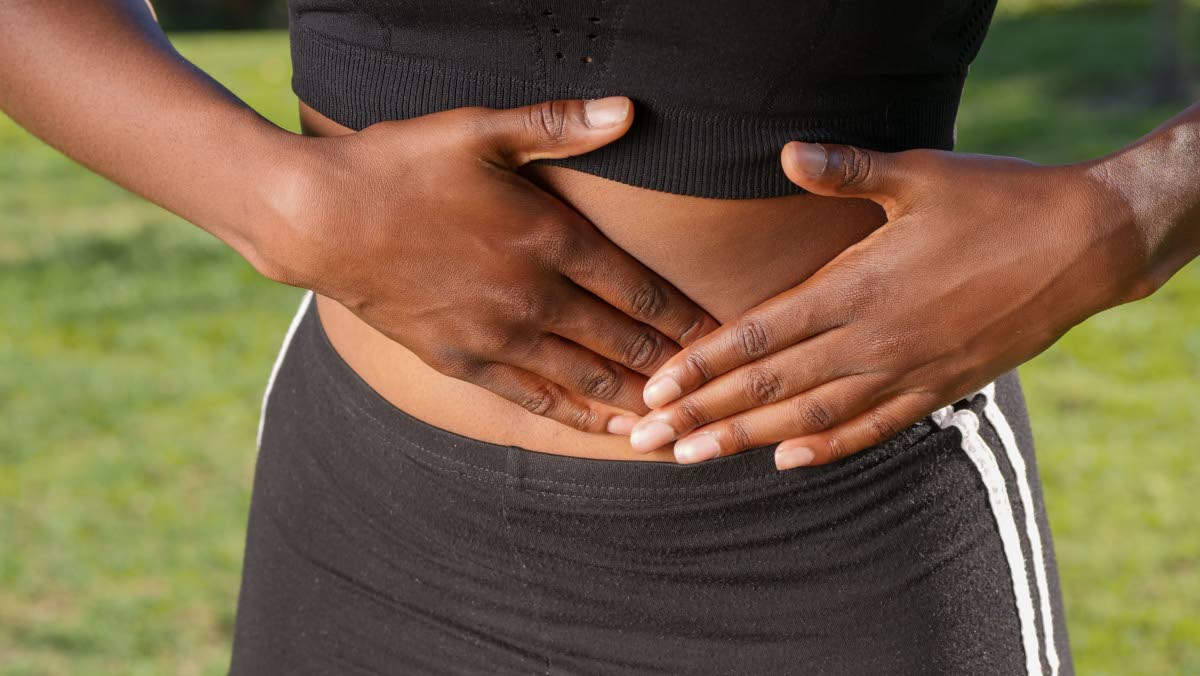

The monthly period is something women learn to manage rather than think too much about. Many of us mark the dates on the calendar, keep an emergency pad in our handbag and carry on with our lives.
But what happens when your period suddenly changes? Maybe it arrives earlier than expected. Perhaps the bleeding is heavier than usual, the cramps are more painful, or your cycle seems to have developed a mind of its own.
The truth is that menstrual cycles can change from time to time. Stress, illness, changes in weight, medication and intense exercise can all affect your cycle. And because every woman’s menstrual experience is different, knowing what is ‘normal’ is not always straightforward.
The first thing to remember is this: normal means normal for you.
Your menstrual cycle does not have to look exactly like your sister’s, your friend’s or the woman sitting next to you at work. What matters most is knowing your usual pattern and paying attention when something changes.
So, what does a normal period look like?
A typical menstrual cycle occurs every 21 to 35 days, with bleeding generally lasting between two and seven days. That does not mean your period will arrive like clockwork every month. A few days’ variation can happen, and an occasional late period is usually not cause for alarm.
Pregnancy is one possible reason for a late period, but it is not the only one. Stress and illness, for example, can temporarily affect your cycle. Your flow may also vary. You may have a slightly lighter period of one month and a somewhat heavier one the next.
The key question is not, “Does my period look like everyone else’s?”
It is, “Does this look like my usual period?” That distinction matters.
When heavy is too heavy
Most women know when their period is heavier than usual. Maybe you are changing your pad or tampon much more frequently, waking up at night because of bleeding or worrying about leaking through your clothes.
Heavy menstrual bleeding can be more than an inconvenience. It can interfere with work, school, exercise, sleep and social activities. It may also contribute to iron deficiency and anaemia.
If your period lasts longer than seven days, or you are soaking through a pad or tampon every one to two hours or more frequently, it is time to speak with a doctor. You do not have to simply ‘live with’ excessively heavy periods.
And what about the pain?
Period pain has become so normalised that many women have been taught to simply endure it.
A little cramping, bloating, breast tenderness and mood changes around the time of your period can be common. However, pain that stops you from going to work, attending school, sleeping, exercising or carrying out your usual activities deserves attention.
Especially if the pain is severe or getting worse.
Conditions such as endometriosis and fibroids can cause significant menstrual pain, and identifying the underlying cause can make a major difference in how symptoms are managed. Your period should not regularly bring your life to a standstill.
Warning signs you should not ignore
Not every change in your period requires an immediate trip to the doctor. An occasional variation in flow or timing may be perfectly harmless. However, recurring or worsening changes deserve attention.
Speak with your doctor if you experience:
• Periods lasting longer than seven days;
• Very heavy bleeding that requires you to change a pad or tampon every one to two hours or more frequently;
• Periods that repeatedly occur at unpredictable or inconsistent times;
• Severe or worsening menstrual pain;
• Multiple missed periods when pregnancy has been ruled out;
• Irregular cycles that continue for several months;
• Spotting or bleeding between periods; or
• Any bleeding after menopause.
Bleeding after menopause should always be medically evaluated, even if it seems minor.
What could be behind an irregular cycle?
Sometimes the explanation is relatively simple.
Stress can affect your hormones. Being sick can temporarily disrupt your cycle. Significant changes in weight, strenuous exercise and some medications can also influence when your period arrives and how long it lasts.
But irregular periods can sometimes be a sign of an underlying condition:
Polycystic ovary syndrome, or PCOS, is one possibility. Hormonal and ovulatory changes associated with PCOS can result in periods that are infrequent, irregular or prolonged. Some women may also experience heavy bleeding.
Then there is endometriosis, a condition in which tissue similar to the lining of the uterus grows outside the uterus. It can cause painful periods, pelvic pain, and pain during sex.
Uterine fibroids are another possible cause of heavy or painful periods. These are non-cancerous growths in or around the uterus and can sometimes cause prolonged bleeding or bleeding between periods.
The important thing is not to diagnose yourself based on a list of symptoms. If something has changed, let a healthcare professional help you determine why.
Become a detective
One of the easiest ways to become more familiar with your menstrual health is to keep track of your cycle. You can use a calendar, notebook or menstrual-tracking app. Record when your period begins and ends, how heavy the bleeding is, whether you experience pain and any other symptoms you notice.
Over time, you may begin to see your personal pattern. That information can also be extremely useful if you eventually need to see a doctor.
There is a difference between saying, “My period has been strange lately,” and being able to say, “For the past four months, my period has been arriving 10 days later than usual and the bleeding has become much heavier.”
The more information you have, the better equipped you and your healthcare provider are to investigate what is happening.
Listen when your body speaks
Women often become experts at pushing through discomfort.
We go to work with cramps. We carry on when we are exhausted. We tell ourselves that heavy bleeding is probably nothing and that everyone experiences painful periods.
Sometimes it is nothing serious, but sometimes your body is telling you that something needs attention. That is why knowing your own menstrual pattern is so important. You do not need to panic every time your period is a little different. At the same time, you should not ignore persistent changes simply because you have become accustomed to them.
Your period is one part of your overall health, and changes in your menstrual cycle can sometimes provide important clues about what is happening in your body, so pay attention.
Know your normal, track the changes, ask questions; and if your period becomes unusually heavy, painful, prolonged or irregular, talk to your doctor.
When it comes to your health, you know your body better than anyone. If something feels different and you are unsure why, it is always better to have it checked than to suffer in silence.
keisha.hill@gleanerjm.com
SOURCE: Centre for Disease Control and Prevention