Message for Caribbean people: know your health
Loading article...
-
 Jones
Jones
-
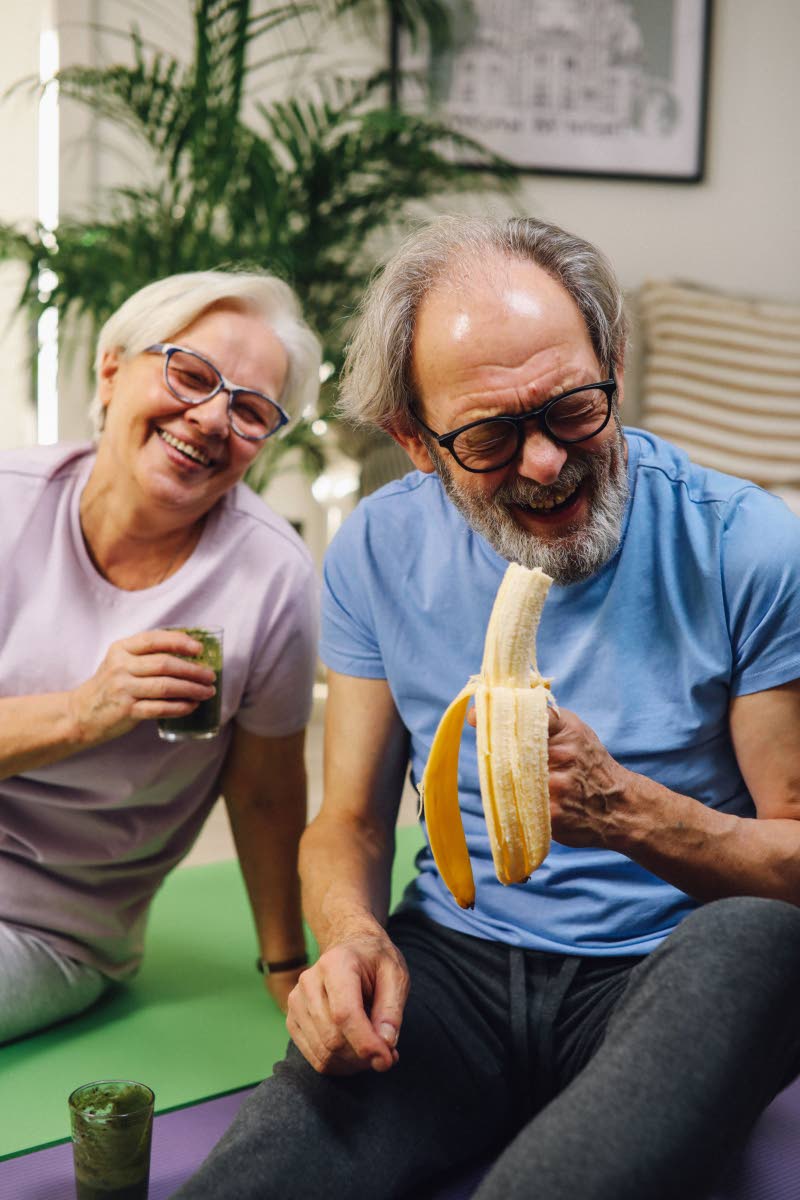 Traditional foods can sit comfortably within a healthy diet.
-
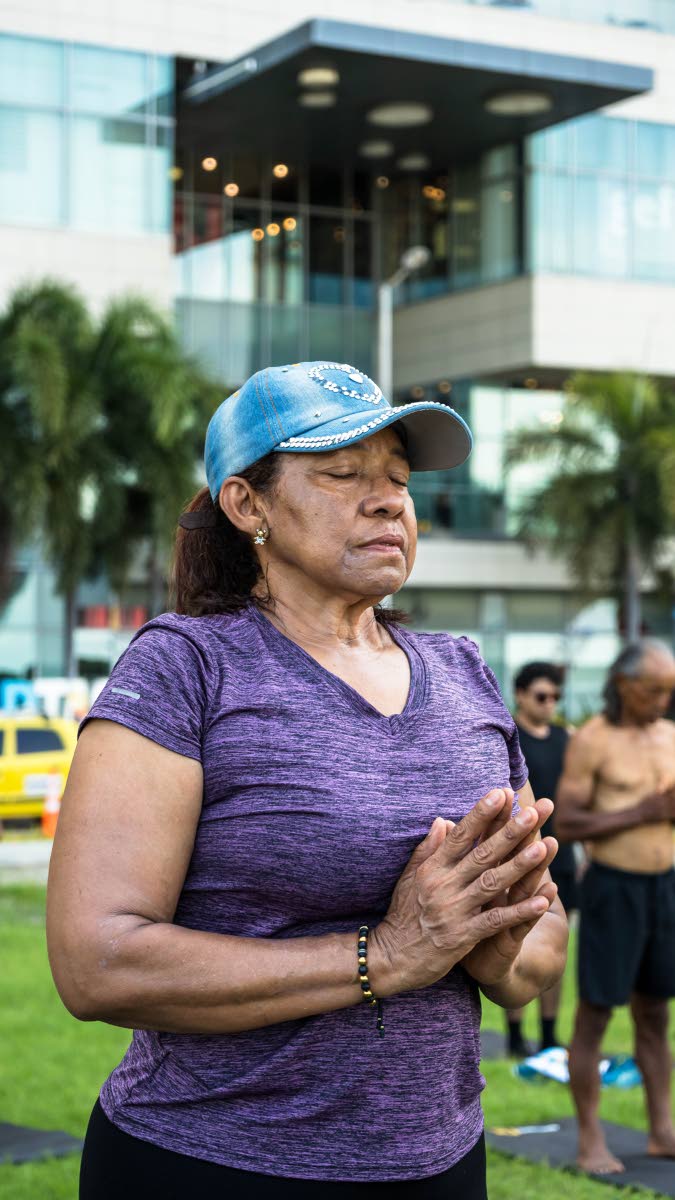 Traditional foods can sit comfortably within a healthy diet. Movement does not have to mean joining a gym.
When we leave Jamaica or another Caribbean island and make the United Kingdom home, we take many things with us. Our culture. Our food. Our music. Our stories. Our sayings. Our sense of family and community.
But something else travels with us that we perhaps talk about less, our health risks.
For Jamaican and wider Caribbean communities living in the UK, noncommunicable diseases (NCDs), such as hypertension, diabetes, stroke, heart disease, cancer and chronic respiratory conditions remain important health concerns.
September 17 marks World Patient Safety Day. This year, the World Health Organisation (WHO) is focusing on safe care for noncommunicable diseases, under the message, ‘Safe care for life!’.
It is an opportunity for our community to think not only about how long we live, but how well we live, and how actively we participate in protecting our health.
Many of us know someone with ‘pressure’ or ‘sugar’. Sometimes the language sounds almost casual because these conditions have become so familiar within our families.
But familiar does not mean harmless.
People from black African and black Caribbean backgrounds living in England have a higher risk of hypertension than the general population. Type 2 diabetes is also more common among black ethnic groups, while black communities experience a higher risk of stroke.
These statistics should not frighten us. They should empower us. Knowing we might be at increased risk gives us an opportunity to act earlier.
Ask yourself: how well do you know your own health?
Do you know your blood pressure, blood sugar and cholesterol? Do you know whether diabetes, stroke, heart disease or certain cancers run in your family?
If you take medication, do you know its name, dose, why you take it and any side-effects?
We sometimes wait until something hurts before paying attention to our health. Yet, with conditions, such as hypertension, you can feel perfectly well while your blood pressure remains dangerously high.
‘Mi feel alright’ is reassuring, but unfortunately it is not a health check.
Feeling well and being well are not always the same thing.
Living in the UK gives us access to opportunities for prevention that we should use. Blood pressure checks are available through GP practices, health fairs and many community pharmacies. Eligible adults are also invited for NHS Health Checks, designed to identify risks including heart disease, stroke, kidney disease and diabetes.
Do not wait for illness before becoming interested in your numbers.
There is another part of our culture worth discussing: home remedies.
Many Caribbean families have traditions involving herbs, teas and natural remedies passed down through generations. There is nothing wrong with these traditions, but tell your healthcare professional what you use.
Natural does not automatically mean harmless, and some herbal preparations can interact with prescribed medicines. If you use bush teas, supplements, vitamins or other remedies, include them when asked what medications you take.
Knowing your health also means asking questions.
Healthcare systems can be difficult to navigate, terminology confusing and appointments rushed. But never be embarrassed to say, ‘I don’t understand. Can you explain that differently?’
Ask why you need a medicine. Ask what a test result means. Ask what symptoms to look out for and when you should return.
If you have a blood test, X-ray, scan or another investigation, know how you will receive the result. If you have not heard within the timeframe given, follow it up.
‘No news is good news’ might work for some things in life. Your health should not be one of them.
We must also resist explaining every new symptom through something we already have.
If you have hypertension, a new symptom is not automatically ‘a di pressure’. If you have diabetes, everything that happens to your body is not necessarily because of ‘di suga’. If you have arthritis, a new or changing pain should not automatically be dismissed as arthritis.
A diagnosis should never become a blindfold.
You know your body. You know when your energy has changed, your breathing feels different, a pain is unusual or something is getting worse. Pay attention to those changes.
Prevention remains important. Look again at how much salt and processed food you consume, how physically active you are, whether you smoke and how much alcohol you drink.
This is not about abandoning Caribbean food or culture. It is about making informed choices within them. Seasoning our food does not have to mean excessive salt. Traditional foods can sit comfortably within a healthy diet. Movement does not have to mean joining a gym.
Perhaps we also need to talk about health more within our families.
Ask your parents about their medical history. Tell your adult children about yours. Talk about hypertension, diabetes, cancer and stroke rather than keeping diagnoses private.
Our family health history is part of our inheritance too.
Whether we were born in Kingston, Montego Bay, Spanish Town, elsewhere in the Caribbean or here in Britain, our health travels with us.
So, let us become more curious about it. Know your numbers. Know your medicines. Know your family history. Attend your appointments. Follow up your results. Ask questions and speak up when something does not feel right.
We carried our culture across the Atlantic. Let us also carry something else forward, a community that knows its health and feels empowered to protect it.
Marsha Jones is a registered nurse, practising midwife and senior NHS leader. She is CEO of LevelUp Leadership and Development Ltd, co-founder of the Caribbean Nurses and Midwives Association UK, and host of the Beyond the Title podcast.