School backpack overload: Heavy bags can strain kids’ bodies
Loading article...
-
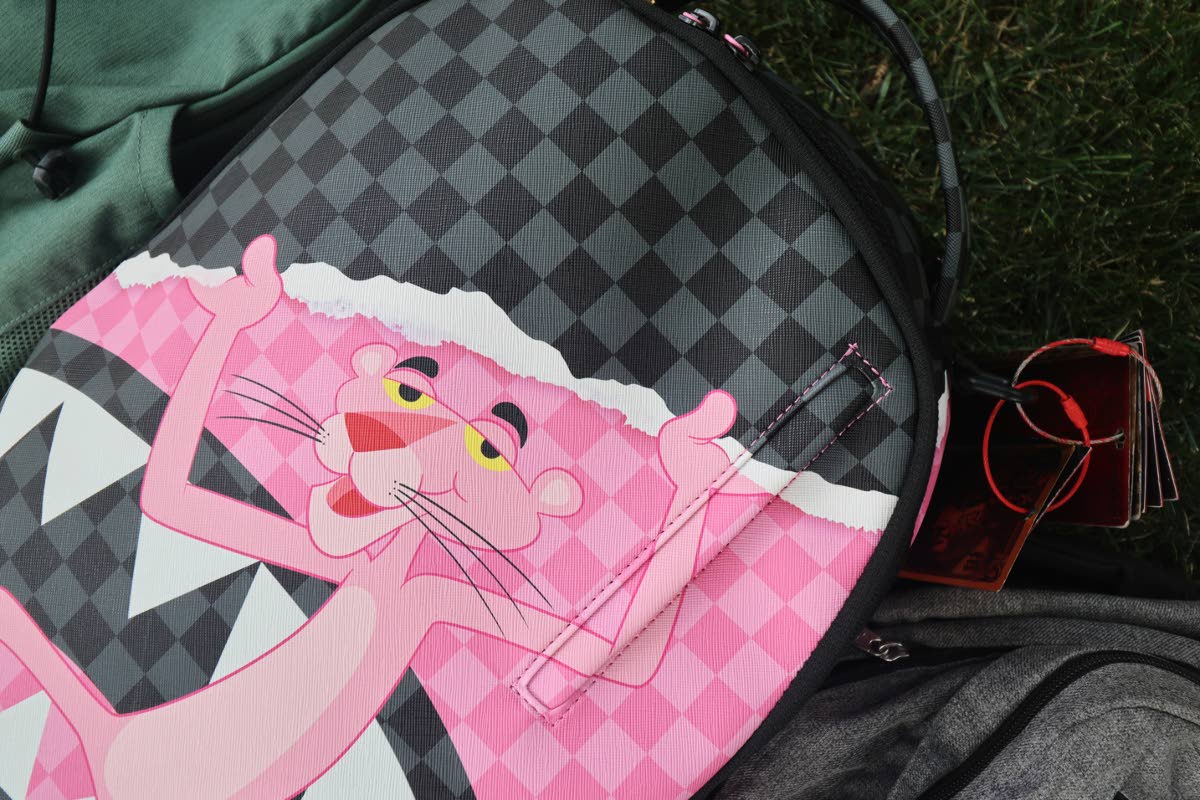 From textbooks to laptops and lunch kits, today’s students carry more than ever. Experts say keeping backpacks as light as possible can help protect growing bodies. Photo - AP
-
From textbooks to laptops and lunch kits, today’s students carry more than ever. Experts say keeping backpacks as light as possible can help protect growing bodies. Photo - AP
-
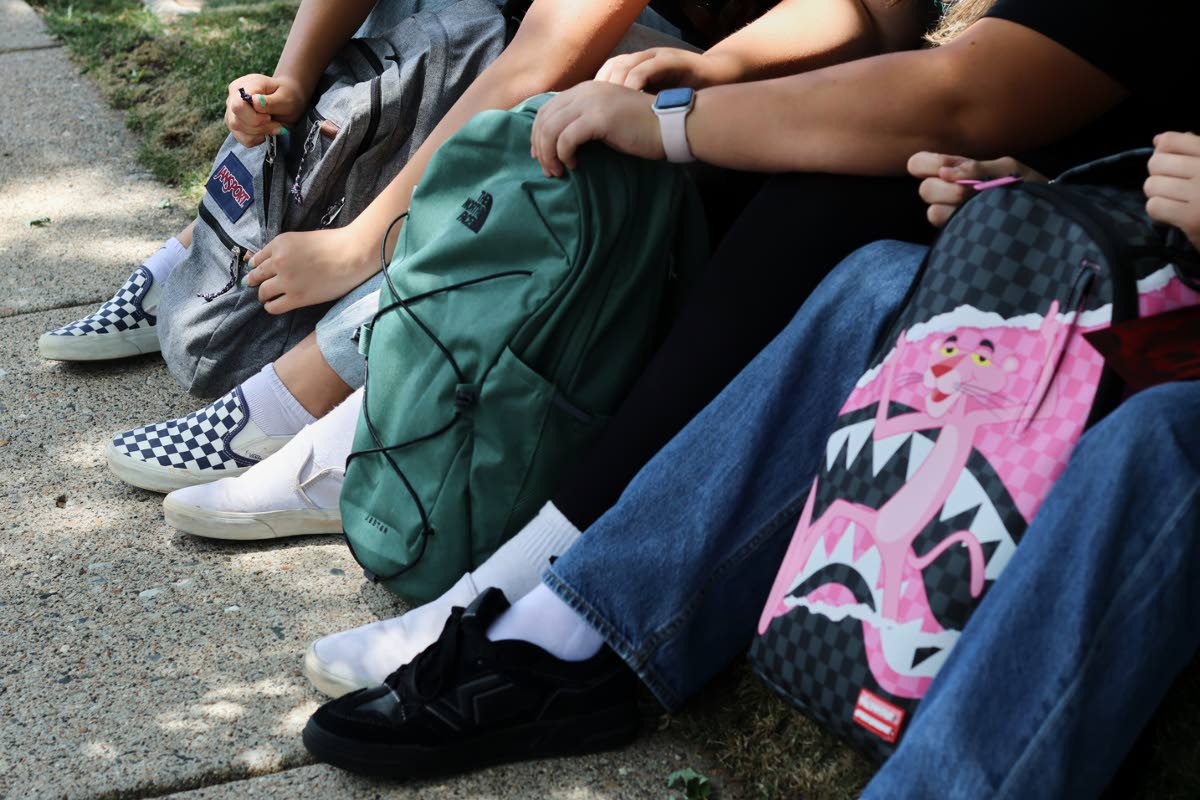 Books, devices, water bottles and sports gear add up quickly. Packing only what’s needed each day can help prevent unnecessary strain. Photo - AP
-
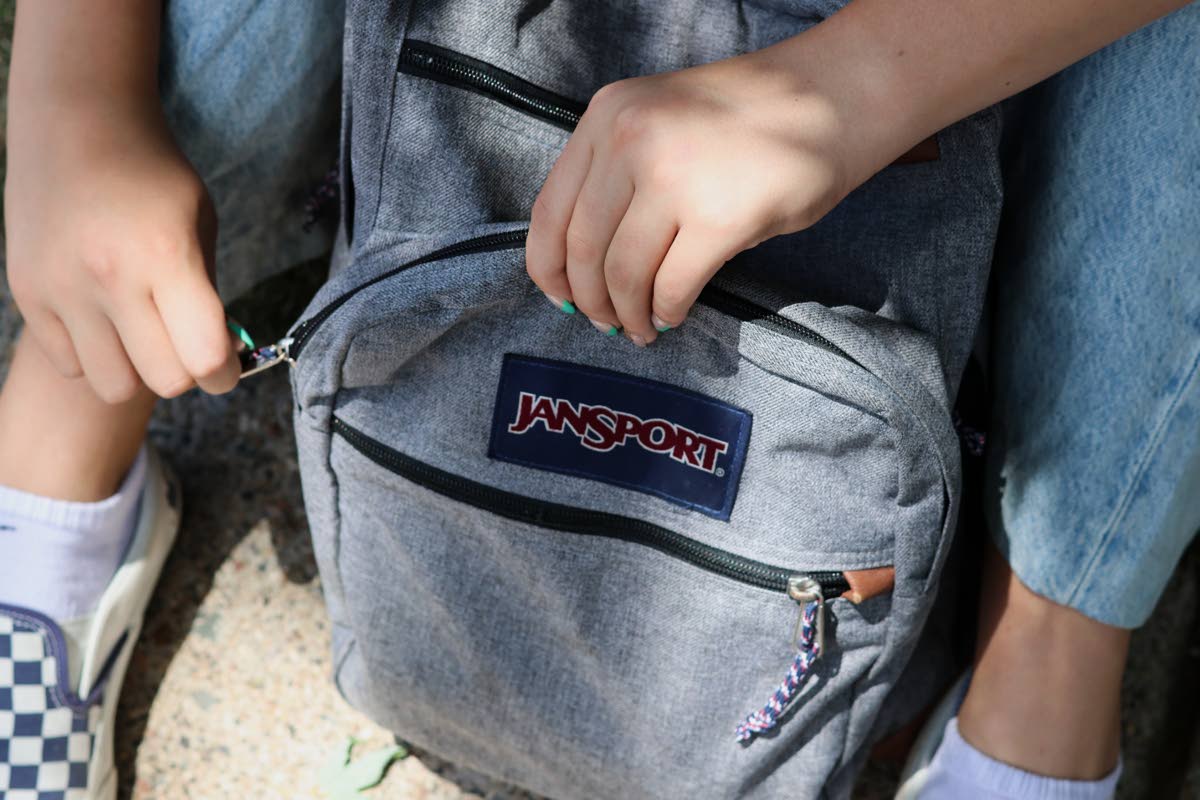 Choosing a backpack with two padded shoulder straps, multiple compartments and a waist or chest strap can help distribute weight more evenly and make carrying school supplies safer and more comfortable. Photo - AP
Backpacks can be fashionable and functional, but they can also be too heavy – weighed down by digital devices, musical instruments, sports equipment and more. Some kids carry home a laptop or tablet and textbooks, too.
It’s good to be prepared, but kids who walk to school or participate in extracurricular activities may be lugging more than their bodies can handle. Lockers and classroom storage aren’t available everywhere – and a child carrying too much weight might not be ready to learn.
As families begin back-to-school shopping, here’s how to know if your child’s backpack is too heavy, and how to lighten their load.
HOW HEAVY IS TOO HEAVY?
The modern school backpack has evolved, but it hasn’t necessarily gotten lighter. Whether students have textbooks, digital devices or both, they often are accompanied by notebooks, water bottles, lunch containers, workout clothes and more. Individually, those items may not seem heavy, but together they can add unnecessary strain to children’s bodies.
According to the American Academy of Pediatrics, signs a backpack may be too heavy include a child leaning forward to support its weight or having difficulty walking. Straps should not dig into shoulders.
Don’t wait for a child to express discomfort or pain to lighten the load, experts say.
Dr Sadika Kendi, a physician who chairs the academy’s injury-prevention efforts, says back injuries are uncommon but possible, particularly if a child falls while carrying a heavy backpack.
“It’s worse if, for example, they trip and fall and they have a huge, heavy backpack on their back. Then that’s just more weight that could increase the severity of an injury,” she said.
Although 10 per cent to 15 per cent of a child’s body weight is often cited as a backpack guideline, there isn’t enough evidence to establish a one-size-fits-all approach, Kendi said. Because children vary in size, strength, physical development and daily routines, caregivers should consider their child’s individual needs and, in general, keep backpacks as light as possible
lifestyle@gleanerjm.com
HOW TO CARRY THE LOAD SAFELY
Experts recommend choosing a backpack that fits the child and has two broad, padded shoulder straps, a padded back, compartments to distribute weight and a waist or chest strap to redistribute the load. The American Academy of Pediatrics also recommends teaching children to pick up and carry backpacks safely, including bending at the knees rather than the waist when lifting heavier bags to avoid strain. Here are some additional tips to help your kids carry the load safely.
1. Backpacks with wheels can be helpful, especially for children with injuries, but experts say they may be problematic in schools with stairs or crowded walkways, where they can pose a tripping hazard.
2. Children should remove their backpacks before riding in a moving vehicle, Kendi said, because wearing one can interfere with how a seat belt works during a crash or sudden stop. Instead, place the backpack beside the child, even if leaving it on seems more convenient during drop-off. “Don’t wear it in a car or any form of transportation while that car is moving,” Kendi said. “It’s just incredibly dangerous.”
3. Regularly cleaning out backpacks can also help reduce unnecessary weight and keep track of notes, permission slips and assignments. Some teachers recommend doing it weekly to catch missing work, spills from leaky water bottles and accumulating crumbs.