GoodHeart | Lamoie Bingham-Polson finds purpose through psychiatric nursing
Loading article...
-
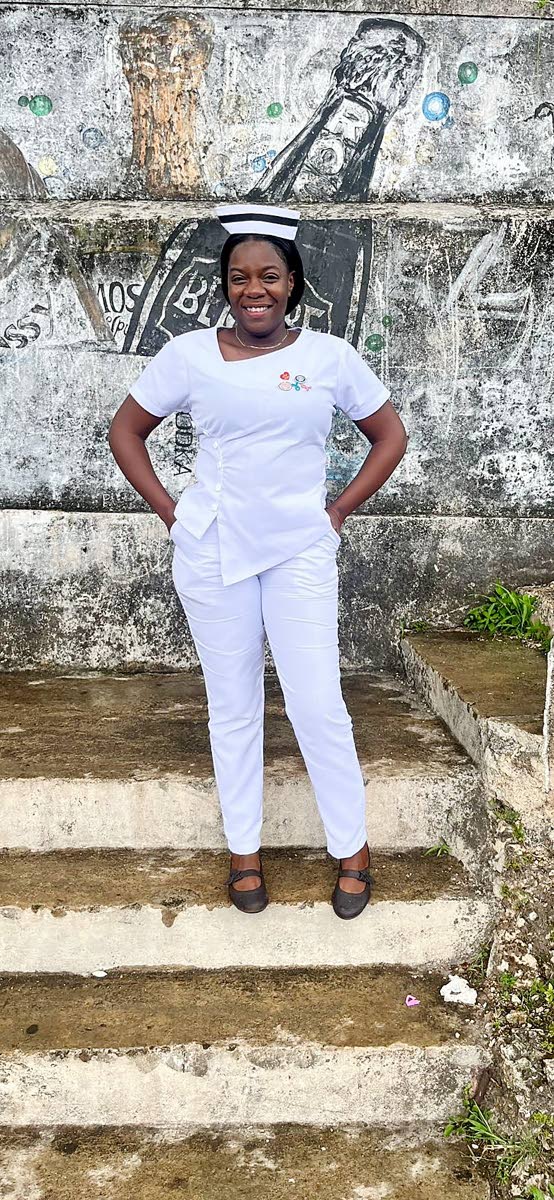 Bellevue Hospital psychiatric nurse Lamoie Bingham-Polson has spent her career caring for people living with mental illness and advocating for greater understanding of psychiatric nursing. Photo - Contributed
-
Bellevue Hospital psychiatric nurse Lamoie Bingham-Polson has spent her career caring for people living with mental illness and advocating for greater understanding of psychiatric nursing. Photo - Contributed
-
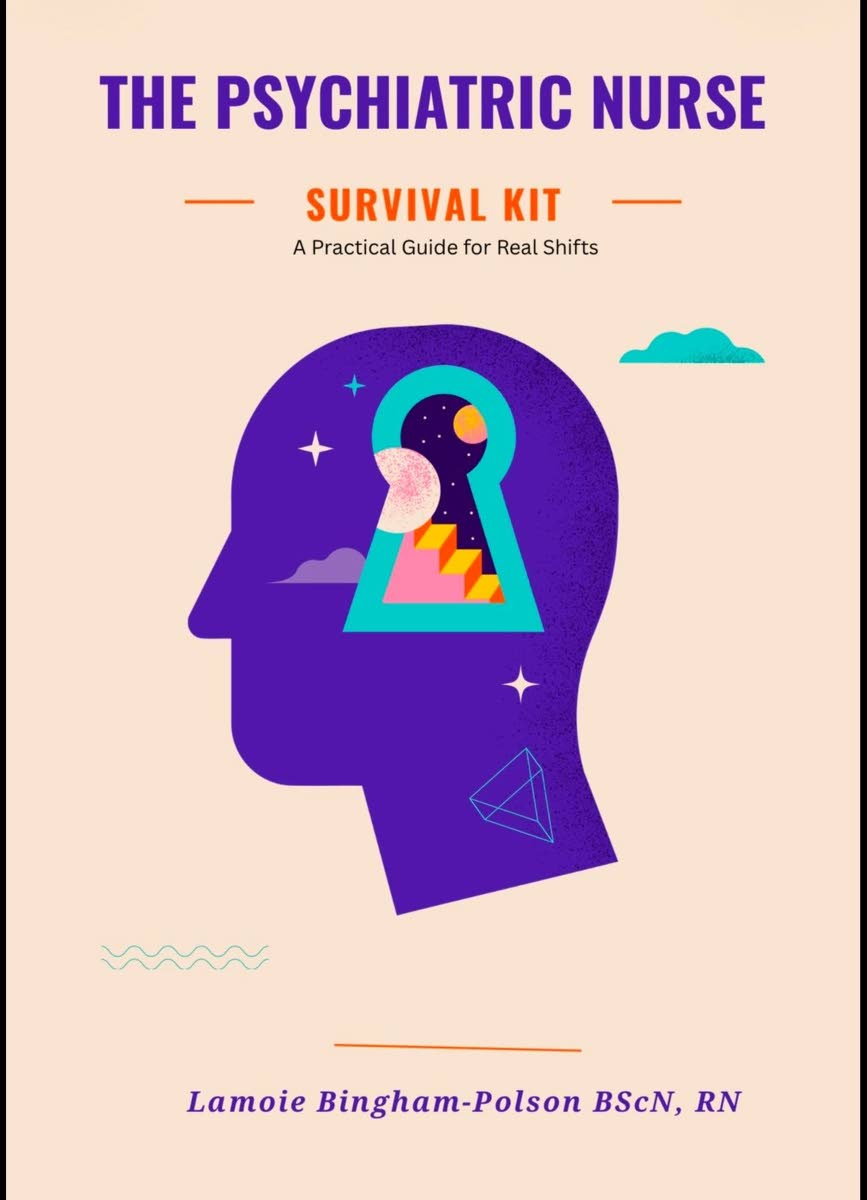 Inset: The cover of ‘The Psychiatric Nurse Survival Kit’, a guide exploring the practical realities of psychiatric nursing. Photo - Contributed
What began as a career in nursing quickly became a journey of compassion, resilience and purpose for Bellevue Hospital psychiatric nurse Lamoie Bing ham-Polson.
Although nursing school provided the theoretical foundation for psychiatric care, it was only after stepping onto the ward that she truly understood the realities of caring for individuals living with mental illness. Those experiences shaped her career and inspired her to write The Psychiatric Nurse Survival Kit, a practical guide designed to prepare others for the challenges and rewards of psychiatric nursing.
“When I first entered psychiatric nursing, I realised that no amount of lectures or textbooks could really prepare me for the human side of mental illness,” Bingham-Polson recalled.
“I remember walking onto the ward expecting to apply what I had learned, but instead I found myself navigating unpredictability and intense emotions, not just from patients but fighting those inner battles as well.”
One experience remains etched in her memory.
“I remember caring for a patient who became extremely aggressive in a split second. In school, we learned the theory behind de-escalation and crisis intervention, but standing in front of someone who is in severe psychological distress is completely different,” she explained.
Those moments taught her that psychiatric nursing extends far beyond clinical knowledge: “Psychiatric nursing isn’t just about knowing what to do, but being able to apply it, remain calm in dangerous situations, communicate effectively, think critically and still see the person behind the illness.”
That philosophy has become the foundation of both her nursing practice and her life.
Throughout her career, Bingham-Polson says, her patients have been among her greatest teachers.
“My patients have taught me that people are so much more than their diagnosis. Behind every patient is a story, a dream or someone who simply wants to be understood.”
She has witnessed remarkable resilience from individuals rebuilding their lives after the effects of mental illness, and says those experiences have transformed her own outlook.
“They have taught me patience, gratitude and empathy. My patients have reminded me never to judge anyone by the worst day of their life,” she said.
Working on the frontlines of mental healthcare, however, comes with emotional demands that require nurses to care for themselves as intentionally as they care for others.
Earlier in her career, Bingham-Polson believed that being a good nurse meant giving everything she had. Over time, she realised that compassion also requires healthy boundaries.
“You cannot pour from an empty cup,” she said, adding, “Compassion isn’t about sacrificing yourself but about showing up fully while protecting your own well-being.”
Her faith has been an important source of strength, helping her process difficult days while reminding her of the purpose behind her profession.
While psychiatric nursing is often misunderstood, Bingham-Polson believes public perception rarely reflects the reality of the work.
“The biggest misconception that persons have about psychiatric nursing is that it’s all about violence, restraint and giving injections. In reality, those situations make up a very small part of what we actually do.”
Instead, she says, psychiatric nurses spend much of their time building therapeutic relationships, educating families, advocating for patients, and helping individuals rediscover hope during some of the darkest periods of their lives.
“Mental illness does not discriminate. It affects professionals, students, parents, children and people from every walk of life. I wish more people would understand that our patients deserve the same dignity, compassion and respect as anyone receiving treatment for a physical illness.”
It was these lived experiences that inspired her to write The Psychiatric Nurse Survival Kit.
Rather than another academic textbook, she wanted to create the resource she wished she had as a new nurse: “I know exactly what it feels like to be the new kid on the block and wanting that guide, not another textbook, but something to answer real-life questions to real-life situations that we face every day.”
The guide offers practical advice on communicating with challenging patients, maintaining personal safety, building confidence, and navigating situations that are often not fully addressed during nursing school.
“If my book helps even one nurse feel more prepared, less anxious or more confident on their shift, then I’ve accomplished exactly what I hoped to do.”
Looking back, Bingham-Polson says there was no single defining moment that changed her. Instead, it was the accumulation of countless patient encounters that transformed both the nurse and the person she has become.
“Instead of asking, ‘What’s wrong with this person?’ I tend to think, ‘What happened to this person?’”
That shift in perspective has strengthened her empathy and reinforced the importance of seeing beyond behaviour to the individual beneath it.
Her advice to those entering the profession is simple yet profound: “Never stop seeing the person behind the diagnosis. Your patients will always remember how you made them feel long after they have forgotten what medication you administered.”
For Bingham-Polson, psychiatric nursing is far more than a profession.
“If I can help someone feel heard, respected or a little less alone, then I know I have made a meaningful difference,” she added.
goodheart@gleanerjm.com