Why safeguarding farming should be a priority
Loading article...
-
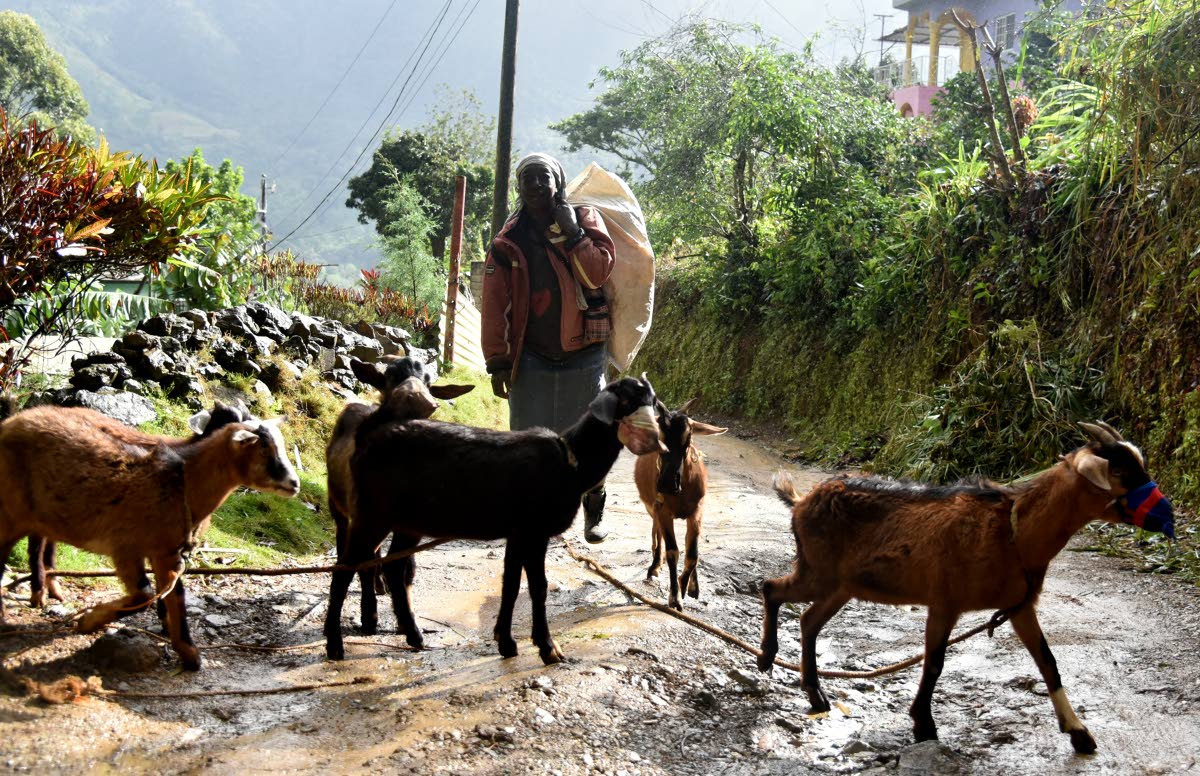 In this file photo goat farmer Patricia Gordon is seen with her goats in the Blue Mountains.
-
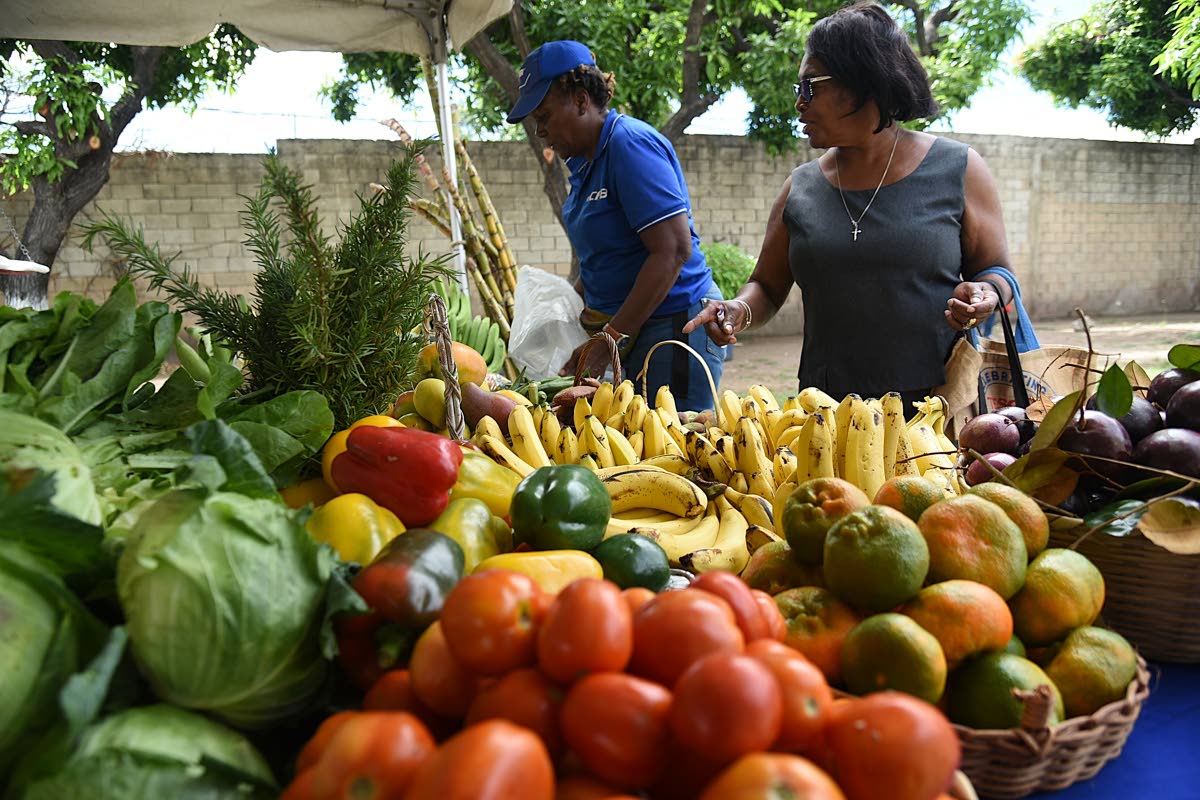 This file photo shows a stall at National Council for Senior Citizens Farmers Market.
The notion that agriculture and farming are menial skills is a dangerous misconception that undermines the very foundation of societal well-being. Far from being a lowly pursuit, farming is a sophisticated, essential, and deeply impactful profession that deserves profound respect and robust support.
In Jamaica, where agriculture forms a critical pillar of the economy and sustains countless families, recognising its true value is not merely a matter of social justice but of national survival and prosperity.
The image of the farmer, often depicted with calloused hands and sun-baked skin, can unfortunately be misconstrued as a symbol of hardship rather than heroism. However, this perspective fails to grasp the intricate knowledge, resilience, and sheer dedication required to cultivate the land and raise livestock. Farmers are the primary producers of food, the most fundamental human need. Without them, societies would crumble. In Jamaica, agriculture contributes significantly to the gross domestic product (GDP), provides employment for a substantial portion of the population, and ensures food security for all citizens. The fresh produce, livestock, and fisheries products that grace Jamaican tables daily are a direct result of farmers’ tireless efforts.
Beyond sustenance, farming also plays a crucial role in preserving cultural heritage, maintaining rural livelihoods, and fostering community cohesion. The vibrant markets, the traditional dishes, and the very rhythm of life in many Jamaican communities are inextricably linked to agricultural practices. To dismiss farming as menial is to dismiss the very essence of Jamaica life and culture.
TACKLING PRAEDIAL LARCENY
The recent launch of the Agricultural Protection Branch (APB) by the Jamaica Constabulary Force (JCF) is along-overdue initiative that warrants praise. The branch which falls under the Strategic Operations Portfolio – led by the JCF’s chief operational strategist, Deputy Commissioner of Police Warren Clarke; was conceptualised as a specialised unit, dedicated to investigating praedial larceny and farm related theft. A decision that signal the critical shift in prioritizing protection of Jamaica’s agricultural assets.
Praedial larceny, the theft of agricultural produce and livestock, is not merely a petty crime; it is an economic sabotage that devastates farmers’ livelihoods, discourages investment in the sector, and ultimately threatens the country’s food security. Farmers often operate on thin margins, and the loss of crops or livestock due to theft can wipe out an entire season’s earnings, pushing families into poverty and forcing them to abandon their farms. The JCF’s recognition of this severe threat, and their proactive step to establish the APB, demonstrates an understanding of the profound impact these crimes have on farmers and the nation’s economy. The branch’s focus will lead to more effective investigations, increased arrests, and significant deterrent effect, allowing farmers to operate with greater peace of mind and security.
INDISPENSABLE SKILL OF FARMING
The skill of farming, far from being rudimentary, is a complex blend of scientific knowledge, practical experience, and an intimate understanding of nature. It involves soil science, plant pathology, animal husbandry, meteorology, economics, and often, advanced technology. For many Jamaican families, especially in rural areas, farming is not just a job; it is their heritage, their identity, and their sole means of sustenance. The income generated from farming pays for education, healthcare, and housing, lifting families out of poverty and contributing to the overall development of these communities.
Recognising farming as an important skill means investing in agricultural education, providing access to modern farming techniques, and ensuring that farmers have the resources they need to thrive. It means valuing their contribution as much as any other professions in society. The resilience of Jamaican farmers, who often contend with unpredictable weather patterns, market fluctuations, and the constant threat of theft, is a testament to their unwavering commitment to their craft and their families.
PRIORITISING FARMERS
The Ministry of Agriculture, Fisheries and Mining bears the responsibility to prioritise the farmers of both vegetation and livestock. This prioritisation must manifest in tangible policies and programs that support farmers at every stage of their operations. This includes providing access to affordable credit, improved irrigation systems, modern farming equipment, and robust extension services that offer technical guidance and training.
Further, the Ministry must work to create stable market conditions, reduce post-harvest losses, and facilitate access to local and international markets for Jamaican produce. Investing in research and development to create climate-resilient crops and livestock breeds is also crucial in the face of changing environmental conditions. By actively championing the cause of farmers, the Ministry can foster an environment where agriculture is seen not as a last resort, but as a viable, respected, and profitable career path. This will not only ensure food security for Jamaica but also unlock the full economic potential of its agricultural sector.