Earth Today | After Melissa
Loading article...
-
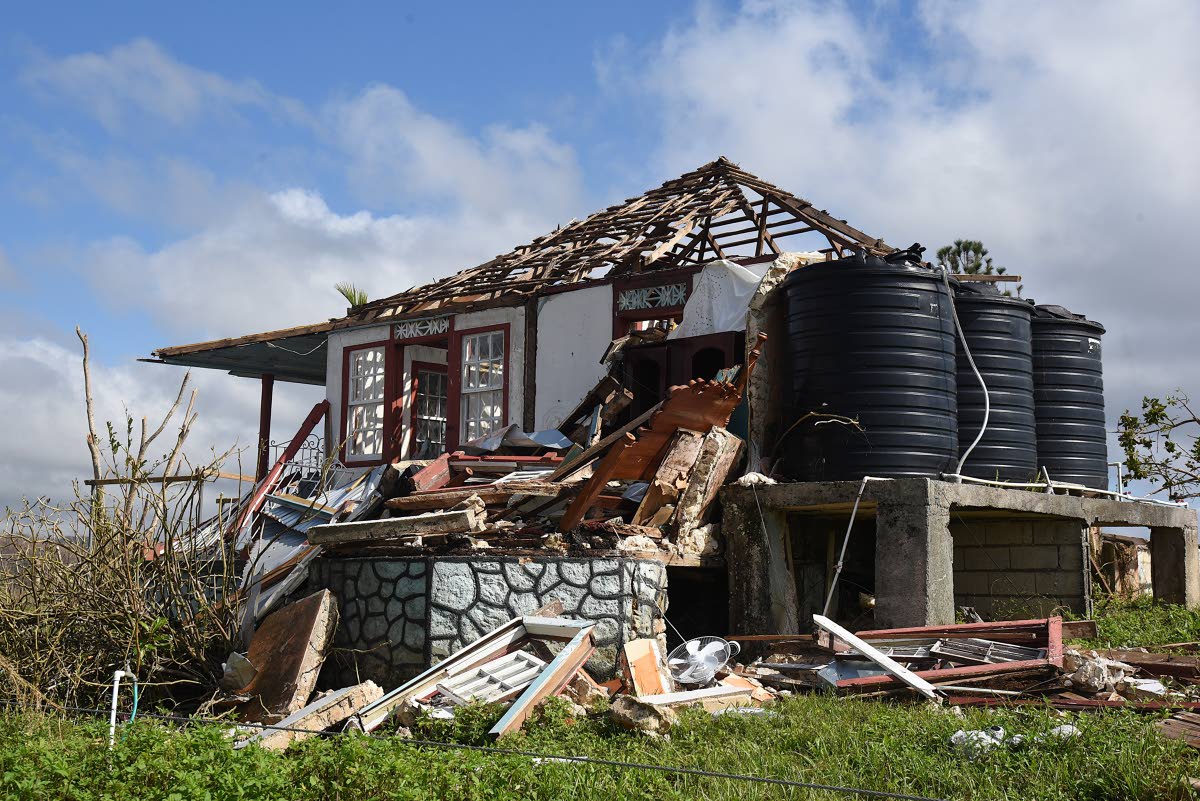 One of the many houses that was damaged by Hurricane Melissa.
-
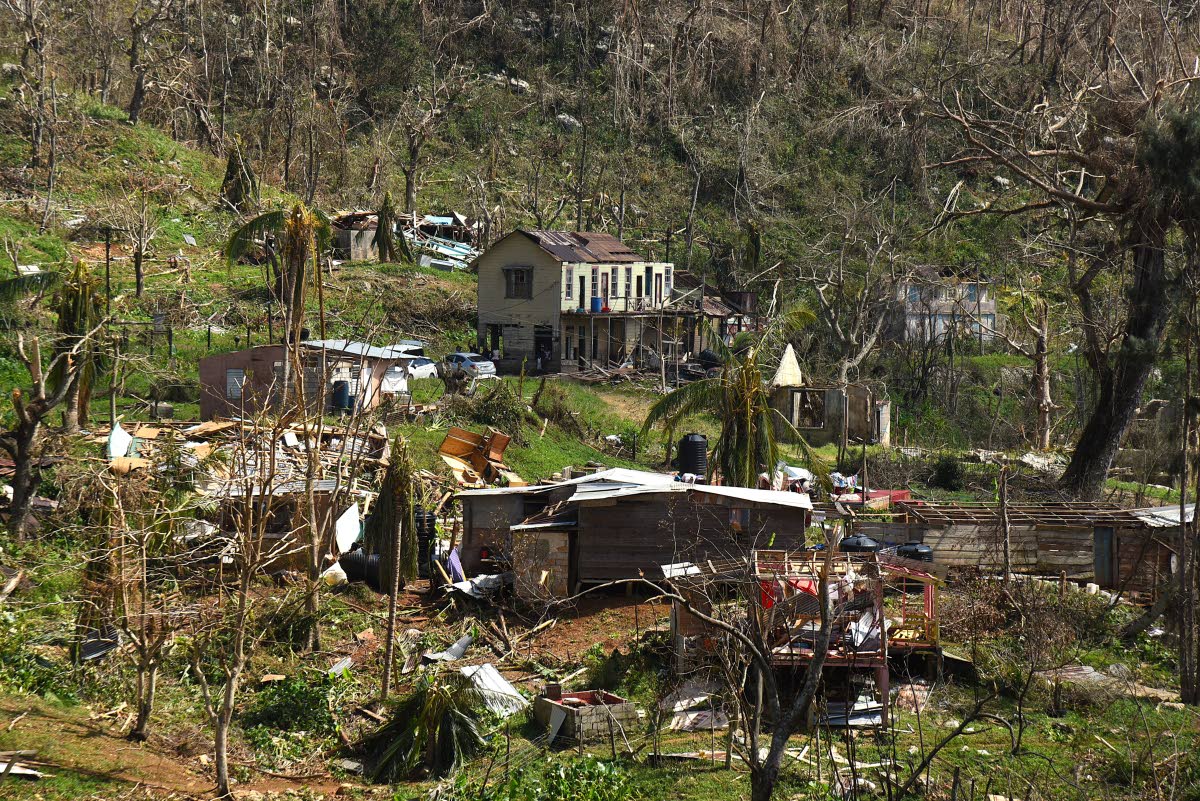 Devastation from Hurricane Melissa in Ipswich, St Elizabeth.
-
 JONES
JONES
HURRICANE MELISSA has come and gone, but her lessons remain – to be reflected upon, analysed and applied with urgency.
This is according to Eleanor Jones, sustainable development professional and respected businesswoman operating in the environment sector in Jamaica and the Caribbean. Jones insists that one of those lessons is the need to prioritise recovery planning, “which begins long before an event actually occurs”.
“And by that I mean, we must understand our hazard vulnerability and risk, which must be taken into account in everything that we do and across all sectors,” Jones told The Gleaner.
“The other reality for us is that climate-driven disasters are real, they are severe, and they are the new norm. While we may not fully understand the science, we must embrace the effects. They cannot be ignored,” she insisted.
Scientists – including Jamaica’s own Professor Anthony Chen and Professor Michael Taylor among others from the Climate Studies Group Mona – have long warned about the likely devastating implications of climate change impacts such as extreme hurricane events associated with the warming of the planet, fuelled by the human consumption of fossil fuels such as oil and gas.
According to Jones, it has never been more important than right now to urgently take stock of the vulnerabilities and to control them in the recovery period.
“The geography of Jamaica is beautiful but in as much as it is an asset, it is also a liability. Our coastal zone, which is so beautiful, if we intrude on the natural processes at work in the coastal zone, we will reap the whirlwind. Natural systems offer protection. Our reefs, our sea grass beds, these are all services that nature provides and one of those services is protection against massive destruction from waves and storm surge,” she said.
“Disaster risk management is a development issue. Sound environmental stewardship is a development issue. It is not a nuisance, it is not an appendage to planning. It is a serious development issue that has to be taken into account,” she added.
Jones’ sentiments have been echoed by local civil society actors who insist that it cannot be business as usual if the country is to rebuild better in the shadow of Hurricane Melissa.
“As we rebuild, we must not return to broken systems. This is our moment, not only to repair what was lost, but to reimagine a more resilient future, incorporating robust climate change adaptation,” Jones said. The group includes the Jamaica Environment Trust; the Jamaica Climate Change Youth Council; Birdlife Jamaica; and the Caribbean Coastal Area Management Foundation.
Other stakeholders include SALISES UWI, Mona; Equality Bahamas; Vagabond Media Inc; and the Seven Oaks Sanctuary for Wildlife.
pwr.gleaner@gmail.com