Earth Today | ‘SIDS must have special consideration’
Loading article...
-
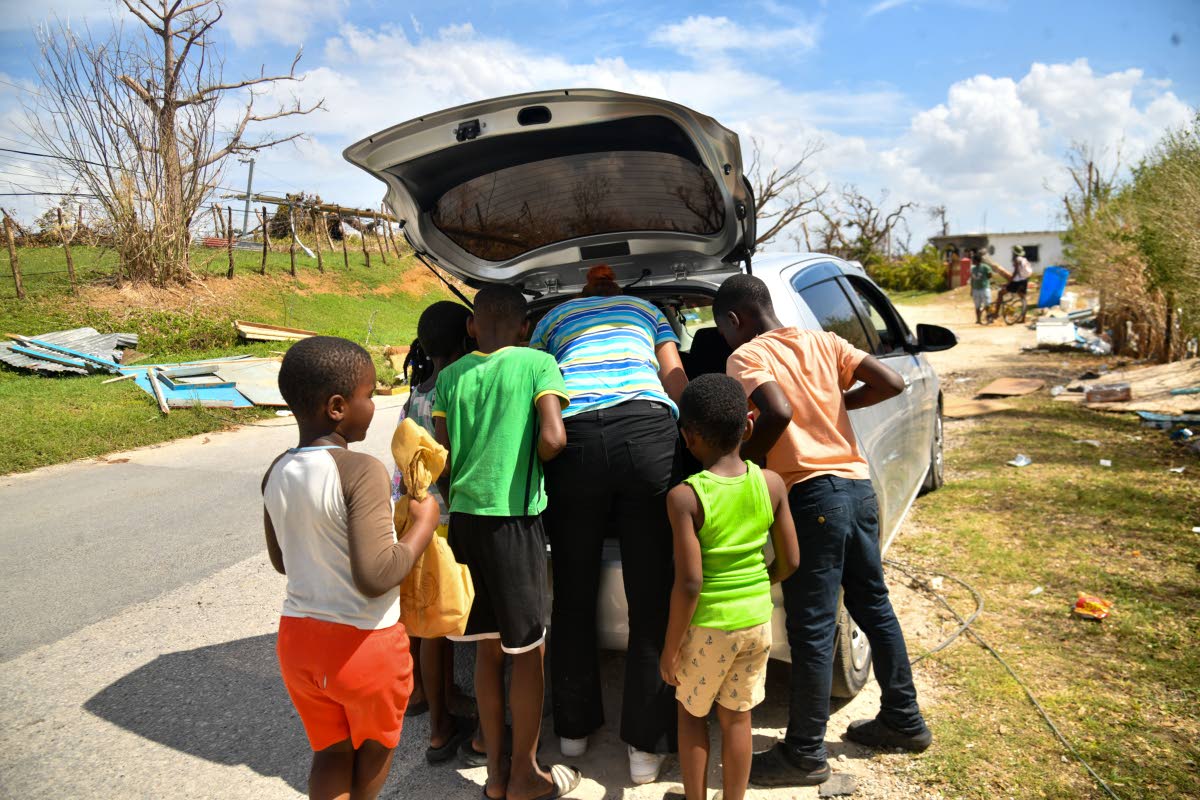 Children gather around to get porridge in Oxford, St Elizabeth.
-
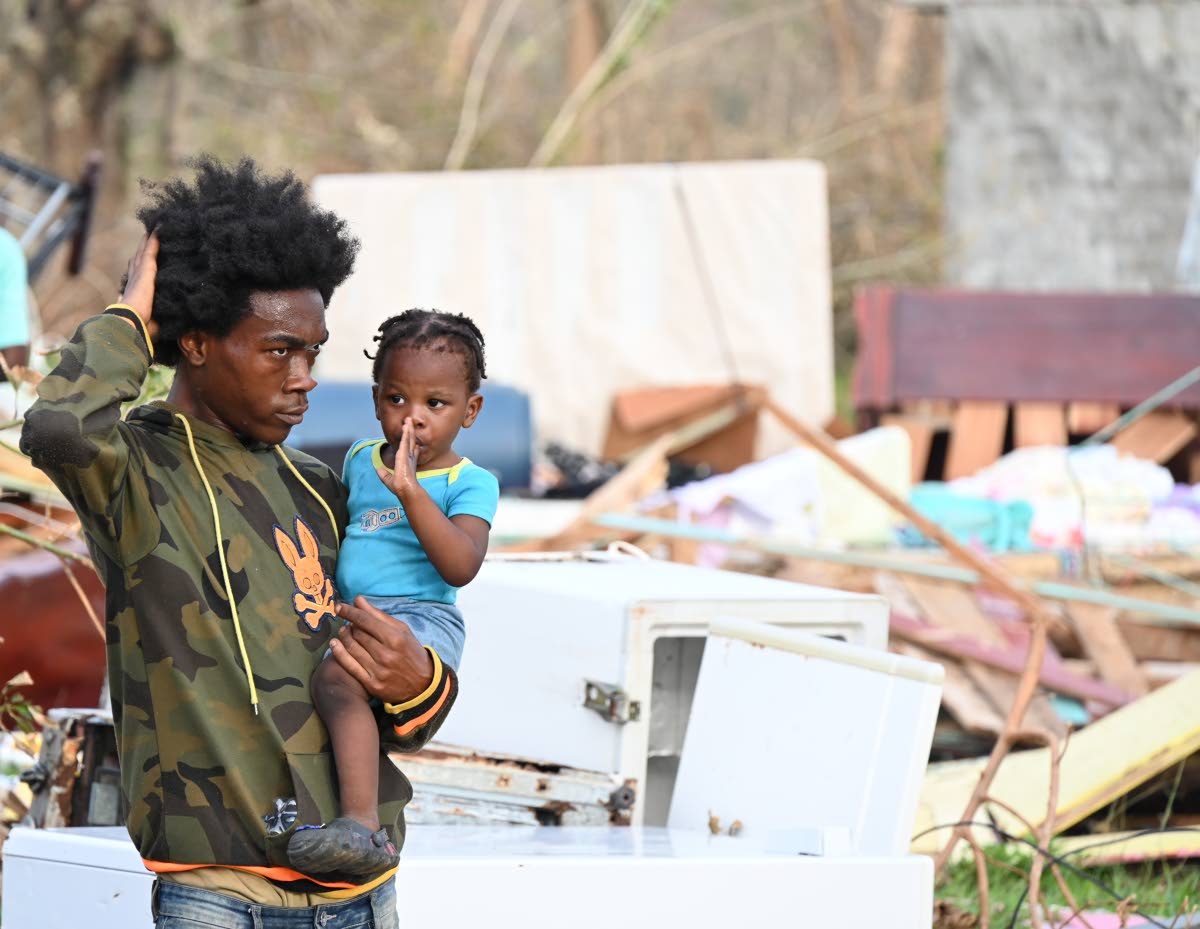 A resident of Shrewsbury, Logwood, in Westmoreland, holds his baby while surveying debris from homes that were battered by the Category 5 Hurricane Melissa as he contemplates his next move.
-
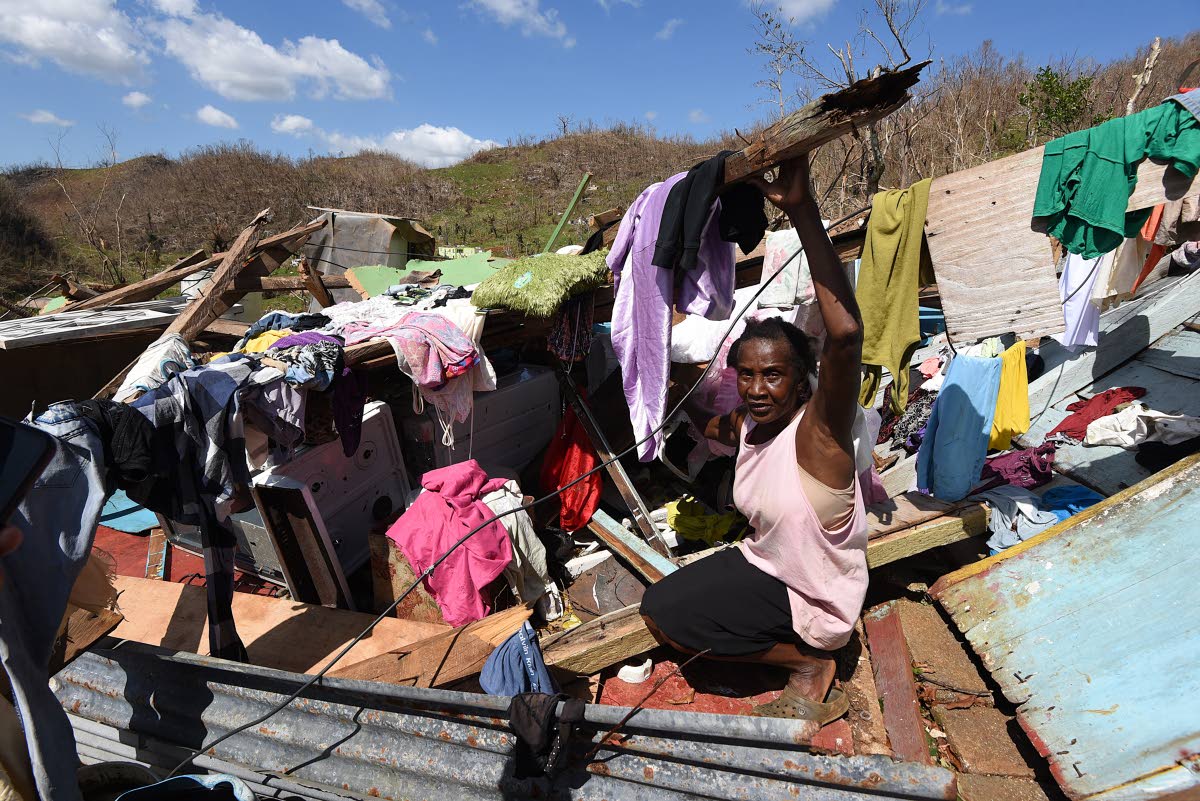 Sixty year old Juliet Clarke of Ipswich, St. Elizabeth, sits atop the rubble of her three bedrood board house after it collapsed during the passage of Hurricane Melissa.
-
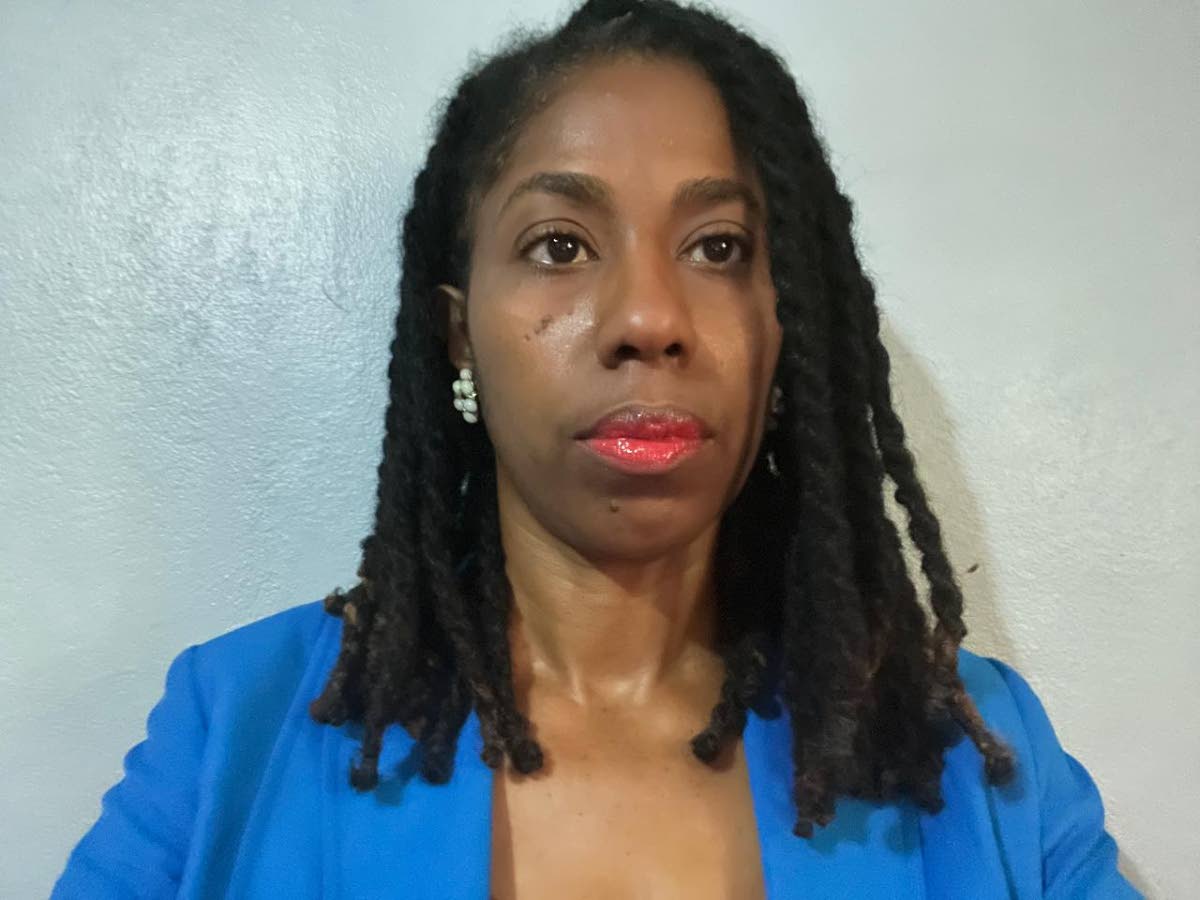 McLYMONT-LAFAYETTE
IN THE aftermath of Hurricane Melissa’s brutal blows to Jamaica, local civil society actors have renewed their call for special consideration for small island developing states (SIDS), as this year’s global climate change negotiations (COP30) begin in Belem, Brazil.
Hurricane Melissa barrelled across Jamaica as a catastrophic Category 5 system last week, with wind speeds of up to 185 miles per hour, relentless rain and engulfing floods that have left many homeless, cut off from family and friends, and without food, water and electricity, among other basic needs.
“Let us be clear, Hurricane Melissa was not a natural disaster; it was a profound manifestation of climate injustice. Its unprecedented strength and rapid intensification were a direct consequence of global warming caused by fossil fuel dependence, corporate greed, and decades of political inaction. Our communities, those least responsible for this climate crisis, are now paying the highest price,” insisted the Jamaica Environment Trust and other civil society stakeholders in a release to the media.
“We call on the Government of Jamaica and global leaders attending COP30 in Belem, Brazil to act with urgency, courage, clarity, and justice,” they added.
They have also urged Jamaica and other SIDS to sign the Fossil Fuel Non-Proliferation Treaty; as well as to demand greater action on the 1.5 climate target which will ensure that small islands survive; action on Loss and Damage financing that reaches communities. They also called on SIDS to prioritise community-led assistance, planning and rebuilding and the promotion of innovative, climate-resilient and just nature-based solutions in rebuilding.
IMPORTANT TO END FOSSIL FUEL EXPANSION
As for developed countries, the stakeholders maintain that it is necessary for them to “end fossil fuel expansion and support a global phase-out of oil, coal, and gas” as well as to “deliver climate finance that is accessible, transparent, and just” and “pay your climate debt”.
The human consumption of fossil fuels, including oil and gas fuel the warming of the planet with the release of greenhouse gas emissions. The warming of the planet, in turn, triggers a range of other climate impacts, including extreme weather events, the likes of which have been experienced with the passage of Hurricane Melissa.
Indi McLymont-Lafayette, a long-time climate justice advocate and head of Change Communications, herself has noted the need for deliberate and sustainable decision making at the Cop that favours SIDS.
“Hurricane Melissa is a historic hurricane which may be the new normal if major emitters like the US, China and India don’t reduce their emissions. Jamaica and other small islands will not survive a yearly Hurricane Melissa and it is a great climate injustice that us who emit less than one per cent are the ones feeling the worst climate impacts,” she said.
“If we took all the best preparations in the world, we still would have the catastrophic loss that we suffered with Melissa. This shows why loss and damage has to be properly financed so that when islands like us are hit we can get funds to rebuild. So as at the next UN global climate talks start on November 6, we want to see more serious action on loss and damage and the 1.5 climate targets,” Mclymont Lafayette added.
Caribbean SIDS have for decades championed the need to restrain global warming to 1.5 degrees Celsius above preindustrial levels in order to guard against the sort of catastrophic impacts as witnessed in Jamaica following the Hurricane Melissa.
pwr.gleaner@gmail.com