Land of wood, water, and debris
Loading article...
-
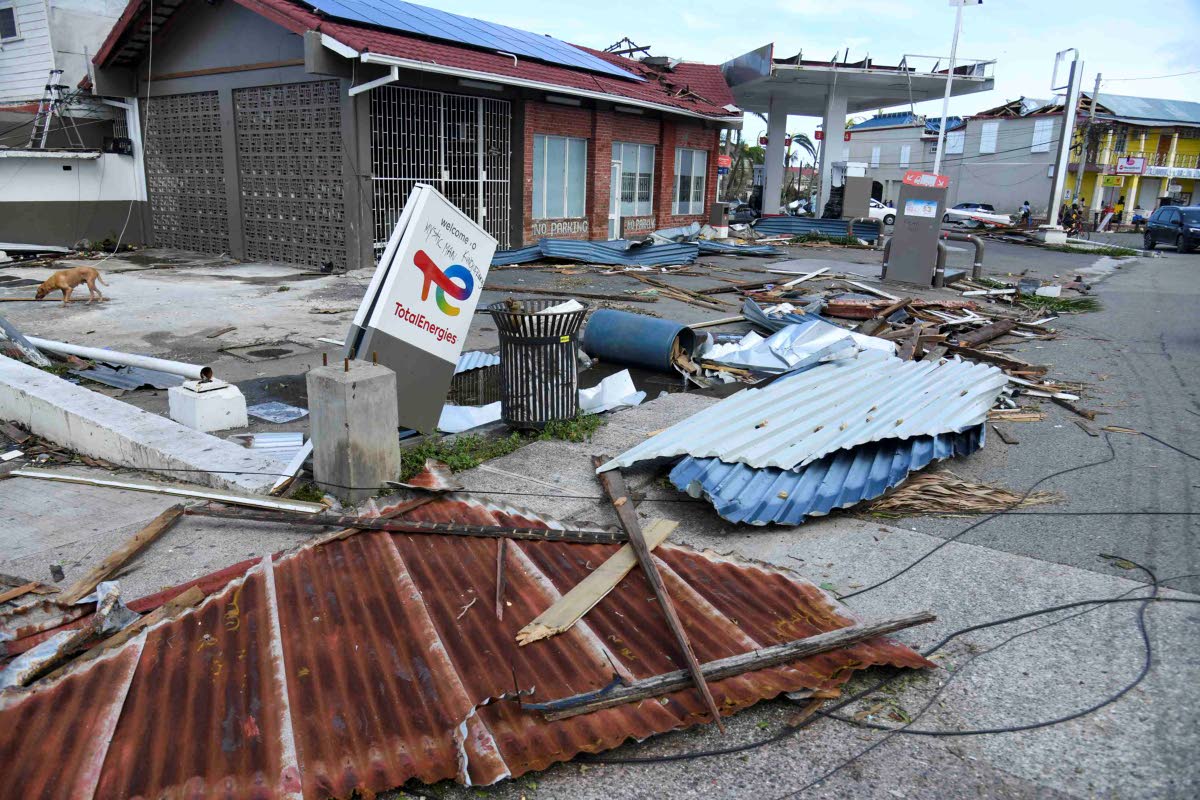 Debris lays in front of the Total gas station on Market Street in Falmouth, Trelawny, on October 29, after the passage of Hurricane Melissa, which swept through the island on October 28.
-
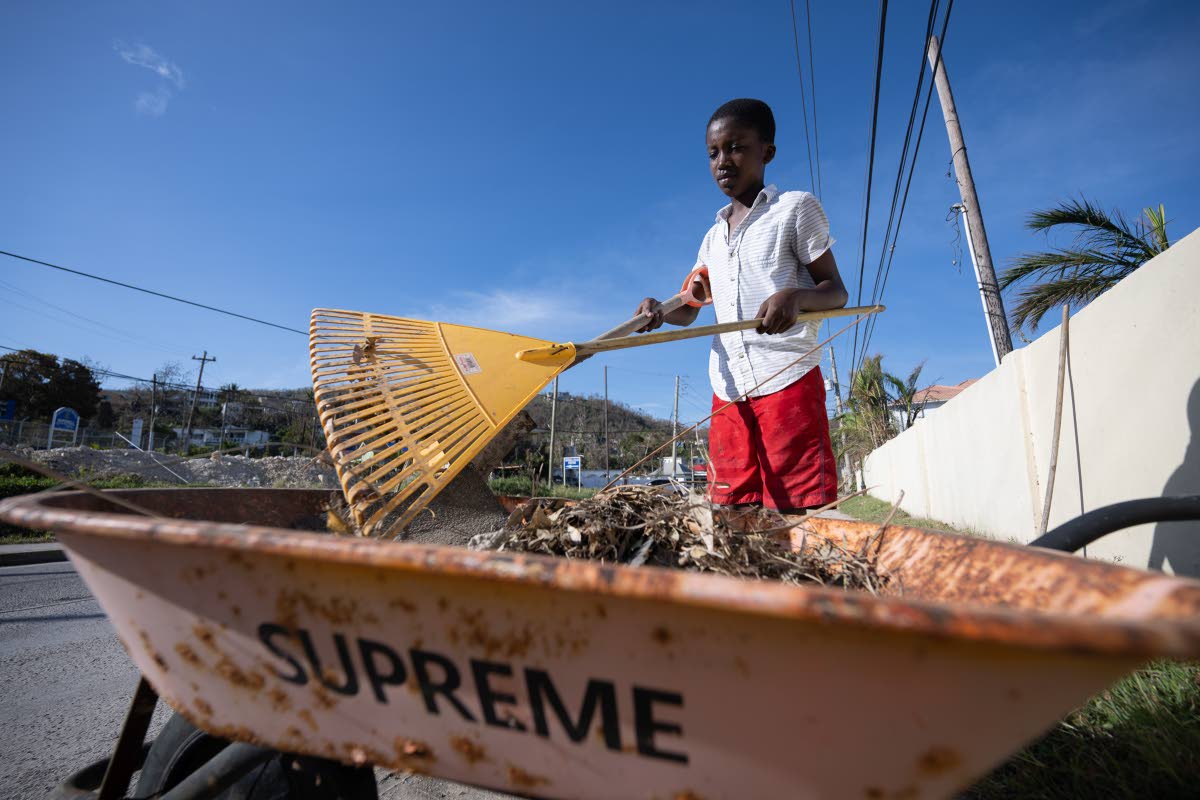 Twelve-year-old Stephen Green cleans up small pieces of debris from in front of his home, situated on Hopewell main road in Hanover.
-
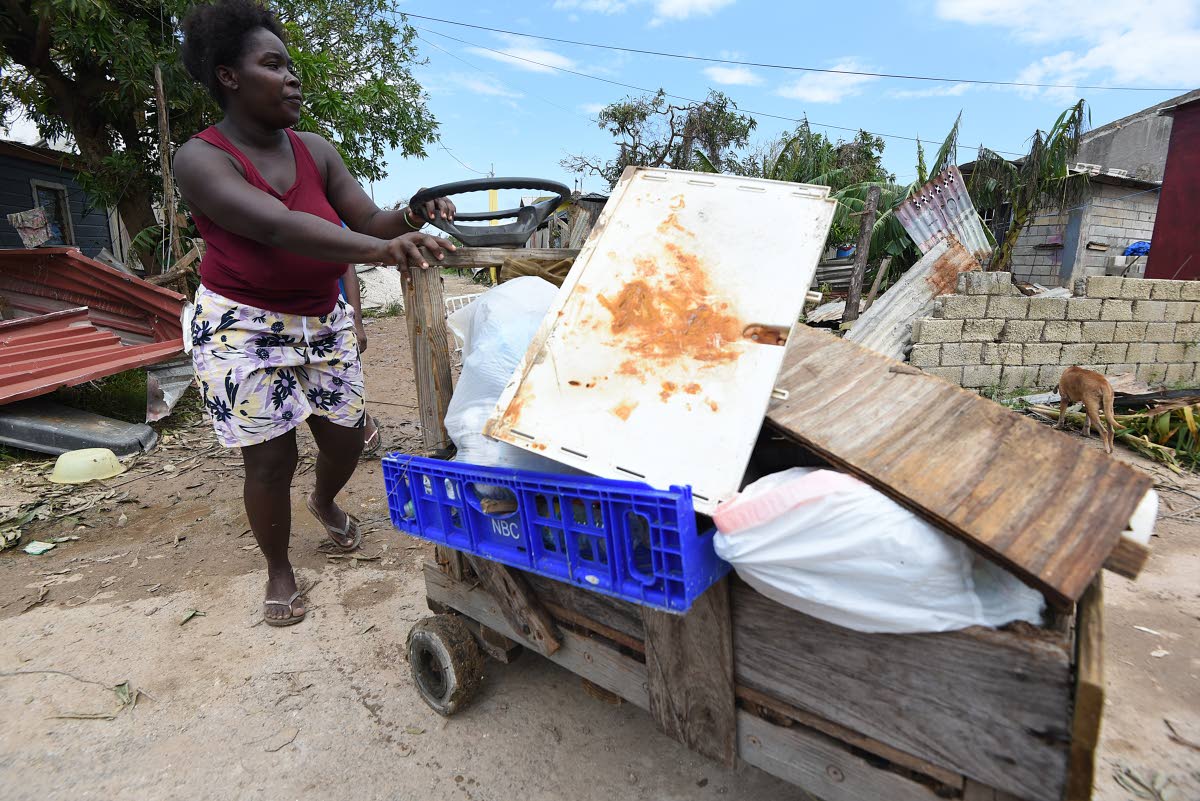 A young woman uses a cart to remove debris from her home in Mongro, Falmouth in Trelawny, the day after Hurricane Melissa devastated the area.
Hurricane Melissa has left more than 4.8 million tons of debris strewn across Jamaica, blocking roads and cutting off access to schools, hospitals, farms and markets, according to satellite-based analysis from the United Nations Development Programme (UNDP).
The Category 5 storm struck the island on October 28, damaging tens of thousands of homes, particularly in St Elizabeth and Westmoreland, where entire towns were decimated and up to 90 per cent of buildings were impacted.
UNDP’s AI-driven model estimates that as many as 32,500 people may have been internally displaced.
“Entire communities are surrounded by debris,” said Kishan Khoday, UNDP resident representative in Jamaica. “Debris removal is critical to kick-start early recovery, restore safe access to homes and infrastructure, and revive essential services. We need to act fast because delay means blocked roads, vital services at a standstill, lost income and increased suffering.”
The debris – enough to fill approximately 480,000 standard truckloads – includes an estimated 2.1 million tons of building waste, 1.3 million tons of vegetation, and 1.4 million tons of personal property.
To put that in perspective, Jamaica’s formal waste collection systems handled just 1.2 million tons of solid waste in all of 2024, according to the Economic and Social Survey Jamaica. Even with the addition of 50 specialised vehicles to the National Solid Waste Management Authority (NSWMA), the country managed to collect just over one million tons of solid waste last year – less than a quarter of the debris now estimated from Hurricane Melissa.
UNDP said the current figures are minimum estimates based on data from UNOSAT and Copernicus and are expected to rise as further assessments are completed.
IMPACTS OF CLIMATE CHANGE
The agency warned that the scale of destruction underscores the intensifying impacts of climate change and the growing vulnerability of small island developing states to severe hurricanes, floods and droughts.
As global leaders gather for COP30 this week, UNDP is urging increased investment in disaster risk reduction and preparedness.
UNDP also stressed the urgent need for donor financing to support early recovery efforts, including debris clearance, infrastructure repairs and restoration of livelihoods.
With a 50-year presence in Jamaica, UNDP said it is supporting national recovery efforts through damage assessments and planning to restore jobs, rebuild infrastructure and ensure access to essential services.