Earth Today | Global climate talks end
Loading article...
-
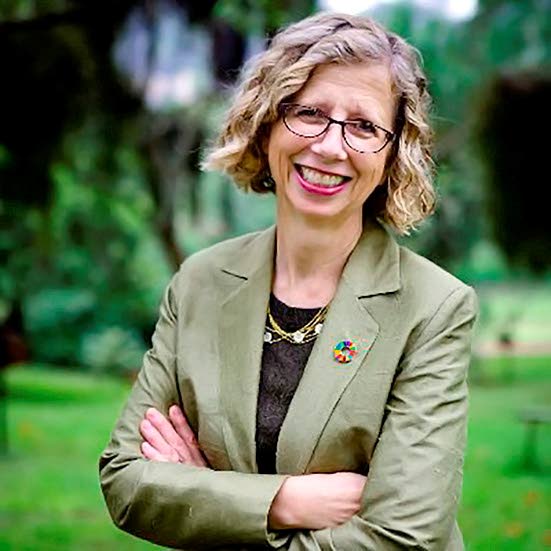
Inger Andersen
-
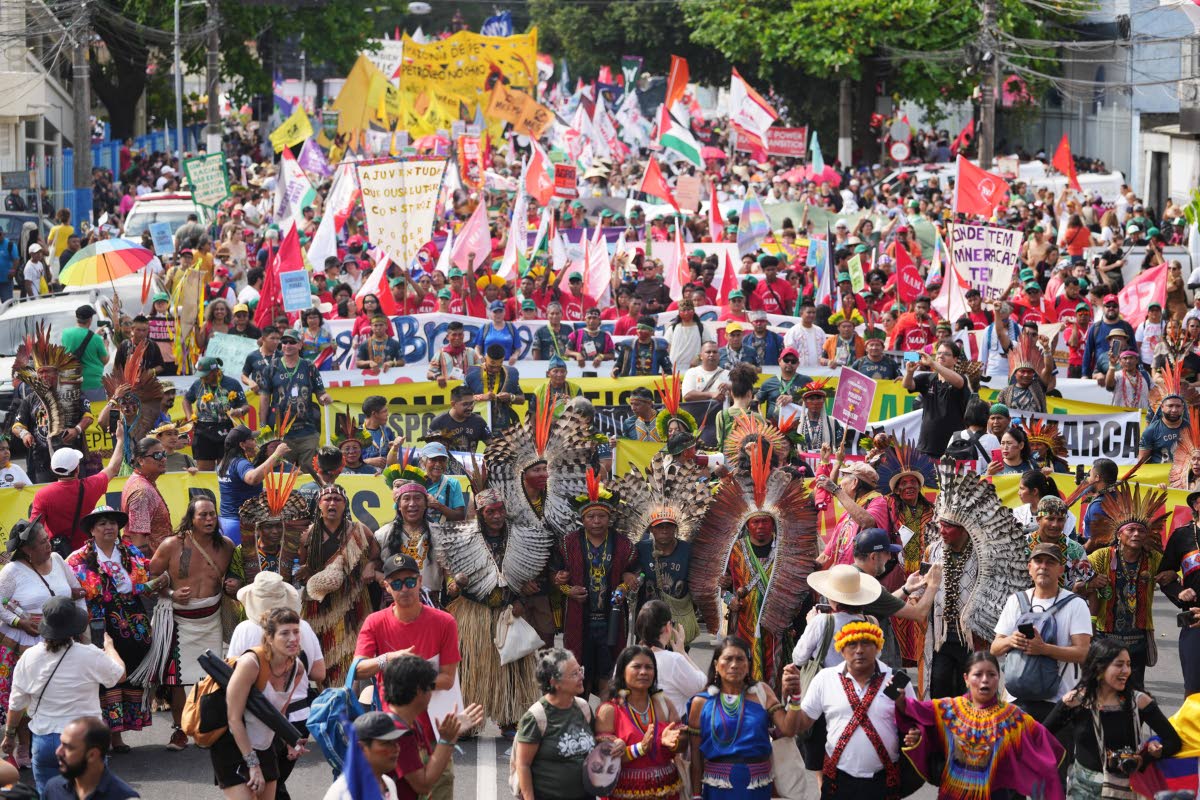 Activists participate in a climate protest during the COP30 UN Climate Summit in Belem, Brazil on November 15.
AS THE curtains came down on another global climate talks (COP30) recently, head of the United Nations Environment Programme (UNEP) Inger Andersen had some words of encouragement for countries while acknowledging that there are yet many miles to travel for a climate-secure future.
“UNEP science and data reinforce the significant size of the challenge ahead, but equally reinforces proven solutions exist and a pathway remains to meet our global commitments. No one is saying this will be easy or we are on track. We must do much more, move much faster, and stretch our collective ambition even further,” she said.
“Countries should see their new national climate plans as a baseline to build on, not a ceiling for ambition. Keeping 1.5 degrees Celsius within reach requires us to accelerate the era of implementation at an unprecedented rate, so we can deliver the benefits people deserve: affordable clean energy, good jobs, clean air, and a safer, more resilient future for all. And, as escalating climate impacts continue that spare no nation, we have to better finance, implement and prioritise adaptation efforts,” Andersen said.
COP30 was staged in Belém, Brazil from Monday, November 10 to Friday, November 21 – just over a week after Hurricane Melissa trampled on Jamaica as a Category 5 event that has left in its wake lost lives, more than USD8 billion in physical damage, and the memory of homes and businesses, even as people grapple with the mental health strain – especially in those parishes hardest hit.
CATASTROPHIC EVENT
It is the kind of catastrophic event that has long been warned about by climate scientists – including Jamaica’s own Professor Michael Taylor, a physicist and dean of the Faculty of Science and Technology at The University of the West Indies – as a likely result of global warming, which is fuelled by the human consumption of fossil fuels such as oil and gas.
Fossil fuels emit greenhouse gases, including carbon dioxide and methane, that are forcing the warming of the planet, which, in turn, is triggering other impacts – from extreme hurricanes and other weather events to sea level rise, coastal erosion, compromised food and water security as well as impaired public health.
Since the hurricane hit, Taylor and his team at the Climate Studies Group Mona, together with World Weather Attribution, has done a rapid assessment that reveals a clear link between Hurricane Melissa and changes to the climate.
“Overall, it is clear that the rainfall, wind speeds from, and conditions leading to Hurricane Melissa have all increased because of climate change. In particular, winds have become robustly more likely and intense. Jamaica and eastern Cuba are experiencing more intense extreme rainfall and we expect this to continue as the world warms further, and the potential intensity conditions leading to such an event will continue to become more intense,” the researchers said, writing in the paper, ‘Climate change enhanced intensity of Hurricane Melissa, testing limits of adaptation in Jamaica and eastern Cuba’.
“It is therefore also overwhelmingly likely that the impacts of Hurricane Melissa were more severe as a result of climate change. These impacts were complex and occurred over multiple regions in different ways. Additionally, individual variables such as wind may drive impacts in different ways, such as through direct damage and driving storm surge, which may then compound rainfall-based flooding,” they added.
It is against this background that Caribbean small island developing states (SIDS), other developing and least developed countries headed to COP this year, in hopes of eking out a deal that could stave off the promise of more climate destruction.
At the end of two weeks of negotiations, progress is in question – even with the promise of up to USD120 billion a year in financing to help developing countries adapt to the impacts of extreme weather, a sum that should be delivered in full by 2035.
GLASS HALF FULL
Andersen has chosen to look at the glass half full.
“At the gateway to the Amazon, COP30 took place as geopolitical tensions continue to rise. Achieving progress in such uncertain and challenging times is never guaranteed, yet the talks in Belém have shown that the Paris Agreement is working and delivering results, including a call to triple adaptation finance by 2035, a Just Transition Mechanism to ensure the emerging green economy benefits everyone, and new dialogues on how trade can support climate-resilient economic transformation and how to integrate the protection of mountains into climate policy,” she said.
At the same time, Andersen said the steps made at the COP is indicative of the kind of momentum “coming from all sources, including businesses, cities and regions, local communities, civil society, women, people of African descent, youth, and many more. UNEP will continue our work to support all partners deliver the promise of the Paris Agreement, for people and for planet,” the UNEP boss said.
pwr.gleaner@gmail.com