Immigration Corner | How do we meet poverty guidelines?
Loading article...
-
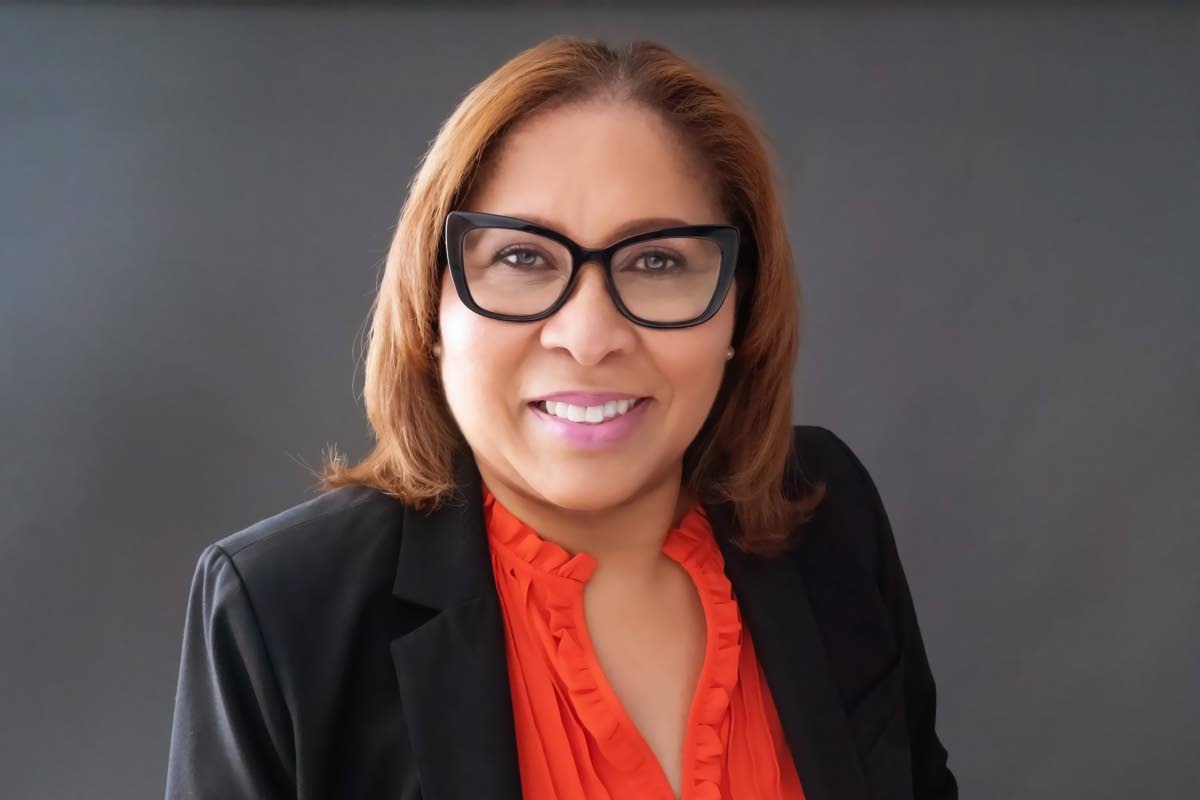 Dahlia Walker-Huntington
-

Dear Mrs. Walker-Huntington,
I read your article every week and really appreciate all the advice that is provided. I am requesting your expert advice regarding my petition. My US citizen son filed a petition for me which has been approved and recently sent to the Department of State, National Visa Center. My son is a university student and holds a part-time job which does not pay enough for him to overcome the current 125 per cent poverty guidelines. Can you advise on how we can overcome this issue? Thank you and I appreciate your response.
Concerned Mother
Dear Concerned Mother:
Almost all intending immigrants must demonstrate that they will not become a public charge on the US government and taxpayers. The method to overcome this issue is that the sponsor must show that they have enough income and-or liquid assets to support the intending immigrant for 10 years or until they become a US citizen – whichever is shorter.
The government determines how much a sponsor should earn based on the size of their household and the number of intending immigrants – the poverty guidelines. If the sponsor does not have sufficient earnings to meet the poverty guidelines, they can get someone else (US citizen or permanent resident) to pledge their earnings and-or assets to support the intending immigrant – a joint sponsor or a household member sponsor. The sponsor can also use assets to offset the shortage for the poverty guidelines - normally between three and five times the difference.
All sponsors who sign an affidavit of support (AOS) pledge to support the immigrant(s) and the AOS is a binding contract on which the immigrant and-or the government can sue the financial sponsor for non-performance.
I initially said “almost all intending immigrants” because anyone who, upon migrating, can immediately become a US citizen does not need an AOS that requires their sponsor to pledge support, e.g. a minor child whose US citizen parent petitioned for them and, upon arrival, will derive citizenship from their parent.
The current US administration is reviewing the public charge issue and, as during the first administration, is looking to expand to include other factors (beyond the AOS) that would indicate whether the intending immigrant is likely to become a public charge on the US government.
Dahlia A. Walker-Huntington, Esq is a Jamaican-American attorney who practises immigration law in the United States; and family, criminal and international law in Florida. She is a mediator and former special magistrate and hearing officer in Broward County, Florida. info@walkerhuntington.com