Earth Today | Financing adaptation
Loading article...
-
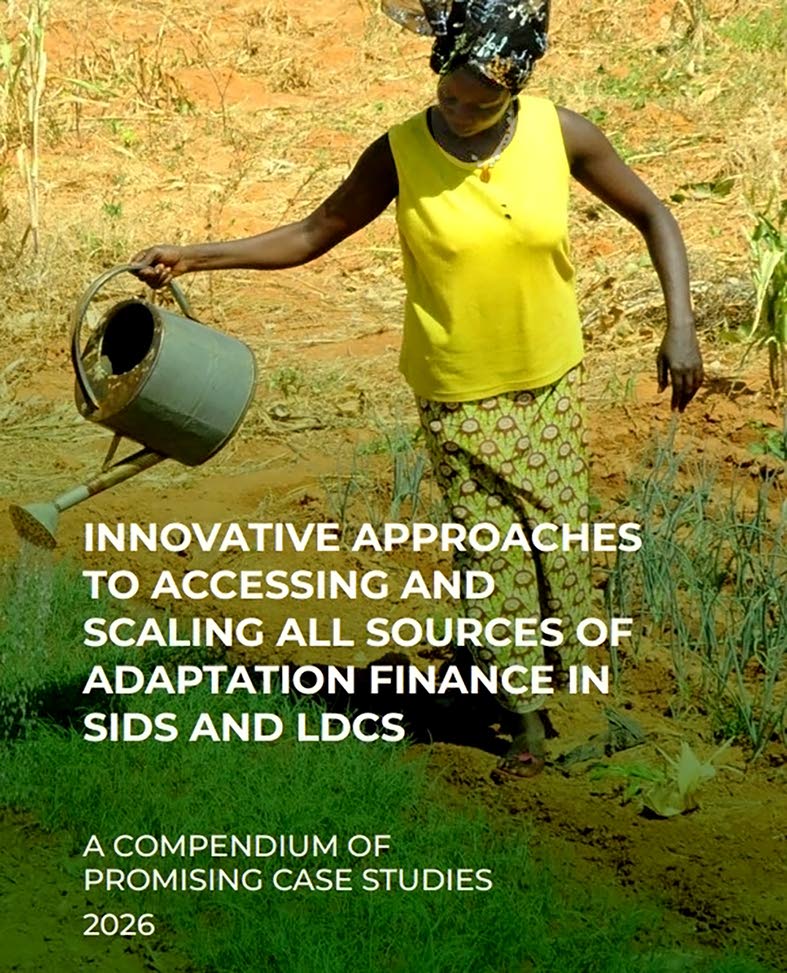 IIED and Adaptation Financing report 2026
-
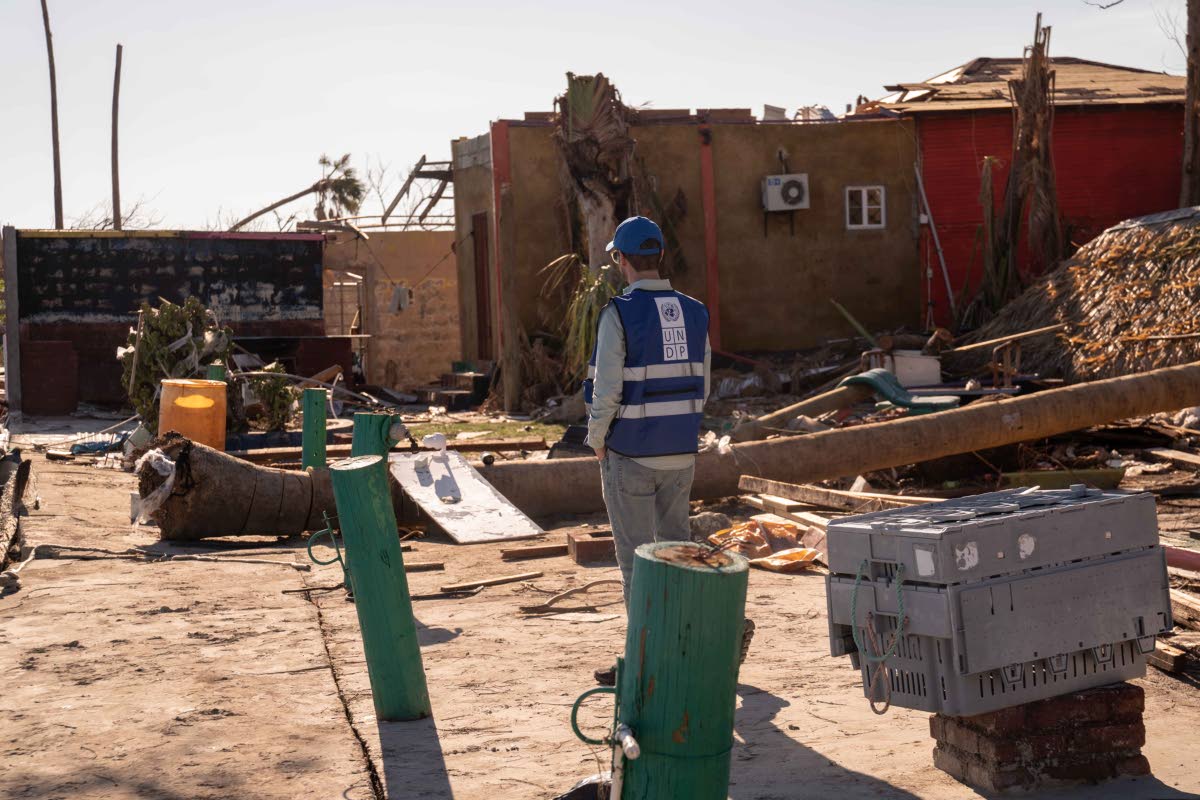 A UN representative surveys some of the damage from Hurricane Melissa.
-
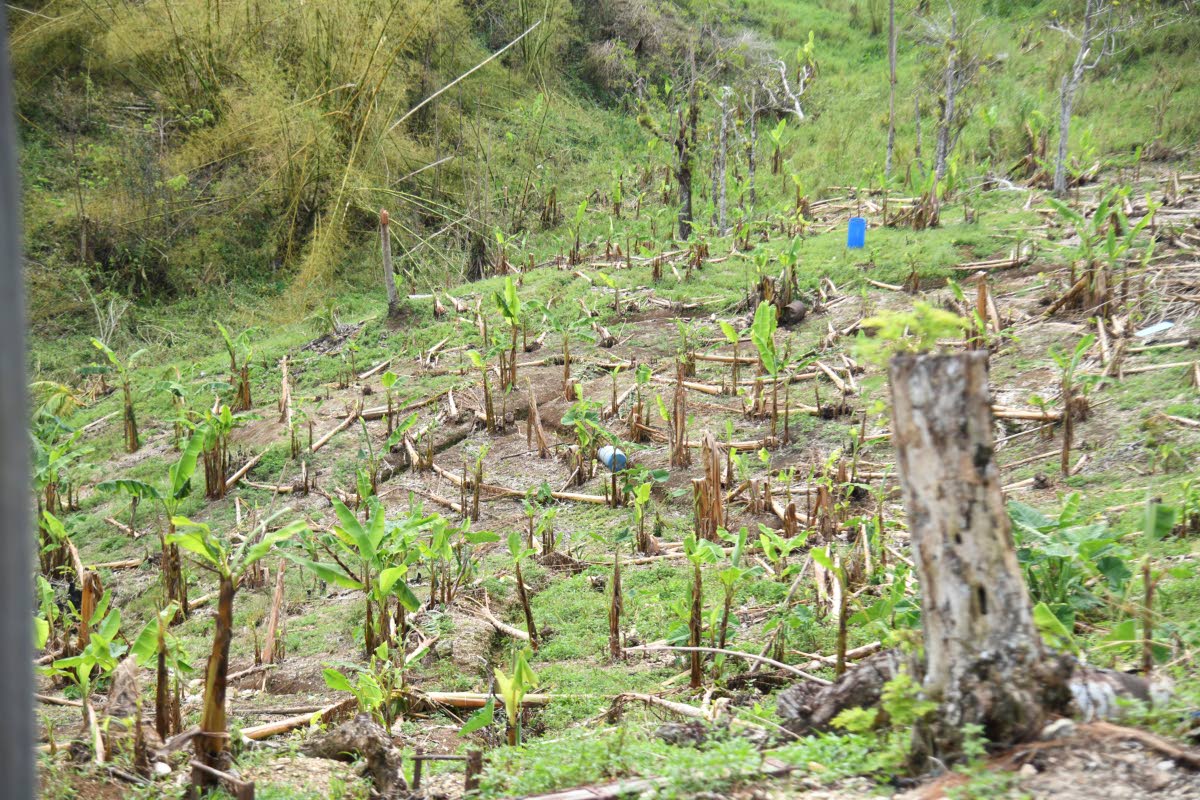 A plaintain farm in Elderslie District in St Elizabeth which was ravaged by Hurricane Melissa's force.
A NEW report is shining light into the ways in which small island developing states (SIDS) and least developed countries (LDCs) can get the financial support they need in order to pursue adaptation in the face of the avalanche of climate change impacts.
Those impacts include rising global temperatures; extreme weather events, the likes of which were experienced by Jamaica with the passage of Hurricane Melissa last October; sea level rise and coastal erosion, among others.
Now, the 2026 Innovative Approaches to Accessing and Scaling all Sources of Adaptation Finance in SIDS and LDCs: A compendium of Promising Case Studies, developed by the International Institute for Environment and Development (IIED), is seeking to help those countries which are at highest risk.
Among the recommendations from the report are that the climate vulnerable countries should build technical capacity by giving priority to the development of “strong, dedicated technical units” such as for debt management and fiscal risk, in order to handle the “complexity of innovative financing and effectively negotiate terms”.
This is while also enhancing their capacity for long-term commitment and enabling the handling of “complex instruments, negotiate terms and monitor performance”.
“Donors and governments should allocate funding and human capital for the full duration of the instrument (10–15 years) to ensure continuous monitoring, reporting and verification, tracking of targets and achievement of milestones, drawing on lessons from Barbados’ sovereign sustainability-linked loan framework,” noted the report, which has the Barbados debt-for-climate conversion among the list of cases looked at.
DEBT FOR CLIMATE CONVERSION
Barbados undertook a debt for climate conversion in 2024, repurposing US$592.7 million in domestic debt through a syndicated loan, “reducing interest obligations without increasing the debt stock”.
“Interest savings, estimated at US$220 million over 10 years, will finance critical projects such as water resource management, agricultural irrigation, and aquifer recharge under the South Coast Water Reclamation Project (SCWRP),” the report revealed.
According to the report, the transaction did not increase the face value of total government debt and instead “improved the overall debt profile by extending maturities, lowering the present value (PV) of debt, and easing key debt sustainability indicators”, including “interest-to-revenue ratios under the IMF-World Bank Debt Sustainability Analysis (DSA) framework”.
“It also replaced higher-cost debt (carrying rates of up to 8%) with lower-cost financing fixed at 3.5% in local currency (Central Bank of Barbados, 2025),” the report said.
Meanwhile, also informed by the Barbados case, the report recommended, too, that climate-vulnerable countries ensure fiscal and investment decision support by setting up formal cross-ministerial working groups between the ministry of finance, climate and environment agencies and sectoral authorities. This is in addition to setting realistic, nationally driven targets while also bring to bear peer earning as well as SIDS strengths.
This can be done “through platforms, workshops or knowledge exchanges to share practical experience in debt-for-climate and nature conversions”.
“Small countries can use close professional networks and pre-existing inter-agency relationships to streamline negotiations, fast-track approvals and adapt models efficiently to their context,” the report added.
TARGETED MECHANISMS
The other illustrative cases in the compendium include the Adaptation Fund Locally Led Adaptation Window in Rwanda, Belize and Micronesia; the Tanga UWASA Water Infrastructure Green Bond; and the Agriculture and Climate Risk Enterprise in Acre, Africa.
Recommendations from those cases include that international funds “provide sufficient PFG resources to allow national implementing entities to conduct detailed, country-wide stakeholder consultations and hire the necessary technical experts for high-quality proposal development”.
Also important, the report noted, is the prioritisation of sustained post-project support, including developing “clear exit plans that integrate project results into long-term national or district action plans and government budgets to ensure sustainability beyond the funding cycle”; as well as strengthening dedicated project teams.
Ultimately, the report said, the case studies presented demonstrate that country-led innovation of SIDS and LDCs provides promising avenues for transforming adaptation finance.
“While the global adaptation gap remains vast, these models demonstrate how targeted mechanisms can simultaneously improve access and mobilise scaled resources, providing replicable lessons for other vulnerable nations,” it said.
Of course, to get there is not without challenges, including in relation to access and institutional capacity.
“Fund providers play a central role in easing these barriers by standardising proven governance blueprints and supporting the integration of climate funding into national systems ... . Crucially, sustaining locally led adaptation requires ongoing, hands-on readiness support and technical training delivered directly to local actors.
pwr.gleaner@gmail.com