Youths in diaspora share dreams for region in 2026
Loading article...
-
Cerena Parkinson
-
 Edward Spiller
-
 Elize M. Davila
-
 Jazmin Ageeb Cerdenares
One of the defining characteristics of the Caribbean is its extensive diaspora which hosts a pot-pourri of talents and potential. Young people in this group have shared their dreams for the region and its diaspora. This includes seeking and creating opportunities to contribute to
nation-building, promoting cultural preservation and encouraging the arts.
DIASPORA ENGAGEMENT
Jazmin Ageeb Cerdenares | Let’s See Ourselves as nation-builders
As a region of small island developing states, the Caribbean is especially vulnerable to brain drain. Yet, the notion that we can only contribute to the region’s development by being physically present there is not true.
No doubt, critical skills must return to our countries, especially in engineering, digital transformation, medicine and public administration. Technology start-ups must flourish. Infrastructure development should continue. And more than anything, visionaries with keen leadership skills should contribute to policy decisions.
But the reality is that our countries are still fairly young and can benefit from assistance provided in multiple ways. As international students, we should not wait until we graduate or get a job to make a difference. Nor should we presume that making a difference is someone else’s job. Only we can build ourselves. And while it would be ideal for skilled graduates to find meaningful work opportunities in their home countries, there are plenty of other avenues to contribute despite being based overseas.
Indeed, there are multiple ways for students in the Caribbean diaspora to build their home countries. We can, for example, establish societies within our universities, not just for fellowship, but to organise mentorship programmes for students back home. We can also use our studies to inform policies and decisions being developed, thus deploying our insight gathered from international experiences.
Whether in school or working abroad, international students take their Caribbean identity with them. Everywhere we are, the Caribbean is there. Therefore, being a nation-builder requires seeing ourselves as part of a bigger picture. It involves discovering where our talents match problems, so that wherever we are, the Caribbean benefits. We should all match our love for the region with the competency to build it.
Jazmin Ageeb Cerdenares has a background in international development, public policy and diplomacy. She is currently undertaking the Bar Vocational Studies at City, St. George’s University of London to transition into a career in law.
PRESERVING THE ARTS
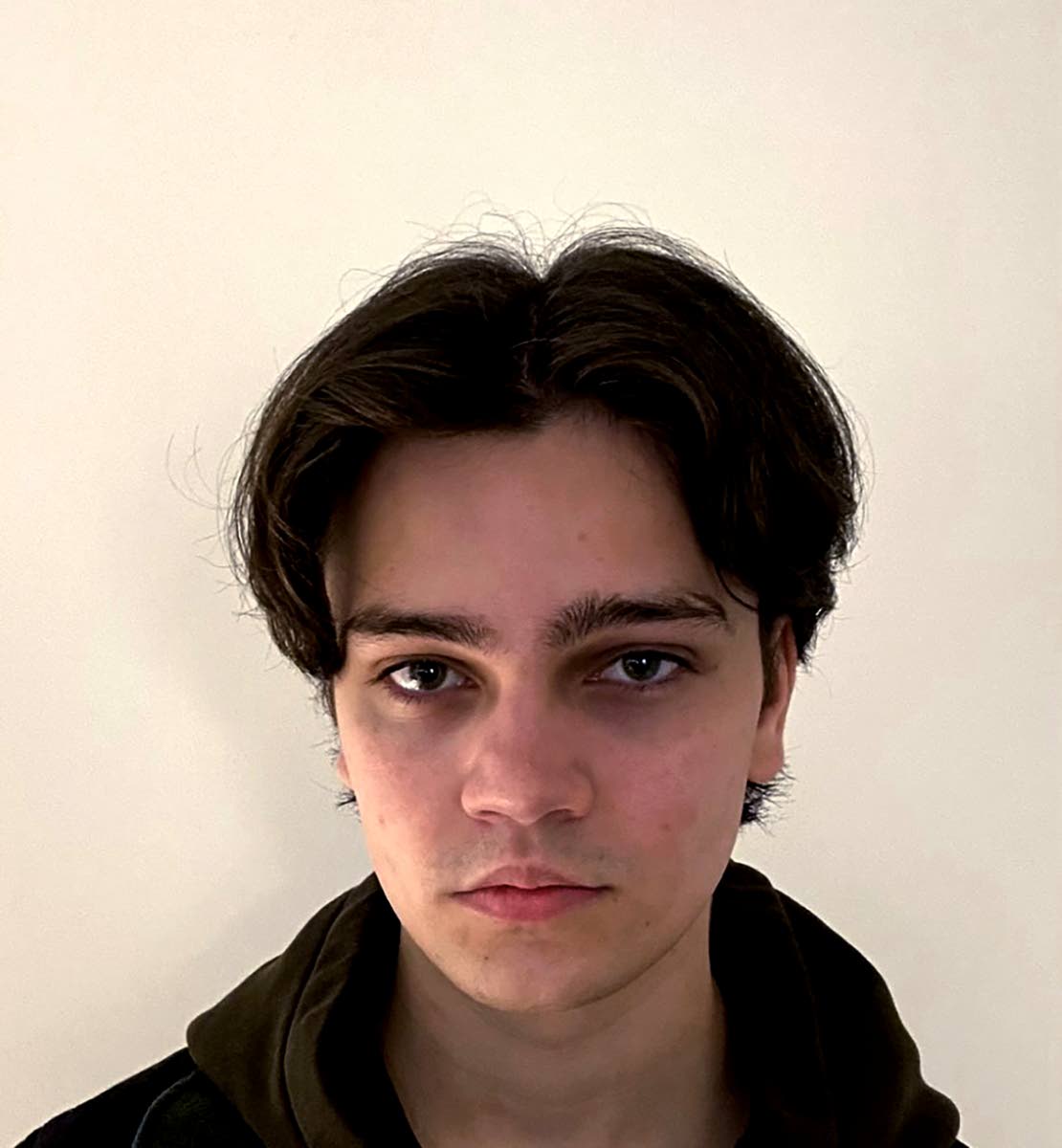
Edward Spiller | In Praise of Jamaica’s literary ghosts
It is often said that Jamaica is a country peopled by ghosts, or duppies, as my grandfather Evan Jones would call them. Jamaicans are heirs to a piece of Empire, to vanished Caribs, to martyred Maroons, and to a landscape worthy of preservation: “Eden before the flaming sword”.
Haunting is a motif of Jamaican vernacular literature. For example, in 1964, Jones’ brother fell from a hotel balcony. Sleepwalking, they said. He becomes a name: an aerodrome, a highway. In 1993, he reappears as a character in Jones’ Stone Haven. That same year, he becomes a headline in The Gleaner as more evidence surrounding his death surfaces. In 2006, he is the murder in Alonso and the Drug Baron. In 2014, he is likened to a “crushed spider” in Marlon James’ A Brief History of Seven Killings.
As I write from Oxford in 2026, I am conscious of the ghost of Evan Jones, who wrote ‘The Song of the Banana Man’, in the 1950s while he himself was in Oxford. He did so to introduce a new Jamaican poetry, by synthesising patois with English metrical verse. Later he was told that he was not nearly big enough or black enough to have written it. Our literary ghosts are poltergeists that upset the legacy of Jamaica’s racialised past, they are the unfinished business of her history.
Jamaica’s literary heritage is among her finest offerings. Great efforts have already been made to preserve this heritage, such as the exemplary work of Dr Laura Tanna and the Jamaica Memory Bank in recording the oral tradition. However, more work needs to be done. The government can commission new editions of Jamaica’s literary classics, as well as her folklore, to be distributed to the nation’s schools. We must give the youths an audience with our literary ghosts who remind us that the business of Jamaica’s history remains unfinished.
Edward Spiller is a Master of Studies candidate at the University of Oxford where he is currently studying Film Aesthetics.
Elize M . Davila | Cultivate the seeds of publishing
As the works of many famous Caribbean writers steadily fill our local book stores, we often do not realise that the literary publishing industry in the Caribbean is still quite small. Caribbean authors and poets have historically had British, American or Canadian publishers. Even though, the Caribbean literature genre developed in the previous century, our regional book market still relies on imported books.
In such an environment, a local writer might turn to independent or self-publishing especially now through Amazon. Such methods will get writers published and place the physical book in the hands of their readers. But it does not give them the capital to formally edit the book or commercially distribute it. Independent and self-publication is merely a band-aid in the absence of a regional publishing industry.
Small publishing houses that specialise in Caribbean Literature are trying to remedy this by seeking to publish regional writers in the worldwide market. For instance, Peepal Tree Press has particularly shaken up the industry. Their focus is solely on the Caribbean, but by being based in the United Kingdom, they can access funding through arts grants and the international book market. Caribbean writers published by Peepal have won awards regionally and internationally. Peepal even partnered with the Caribbean literary festival, Bocas Lit Fest, to create the Preekash Press imprint, based at Bocas’ Trinidad and Tobago’s headquarters.
In our economic reality, an entirely locally based publishing house might not yet be feasible. Last September, Trinidad and Tobago’s National Gas Company withdrew title sponsorship of Bocas Lit Fest. While we praise our writers when their work is published, we do not offer them grants to work on new pieces or attend writing workshops. Writers and small publishers need financial support especially at the beginning of their journeys. This year, I hope to see the public and private sector invest in the literature our people do so well.
Elize M. Davila is a Trinbagonian writer and Oxford alumna with a master’s degree in world literatures in English. She is currently working as an academic administrator at Exeter College in the University of Oxford.
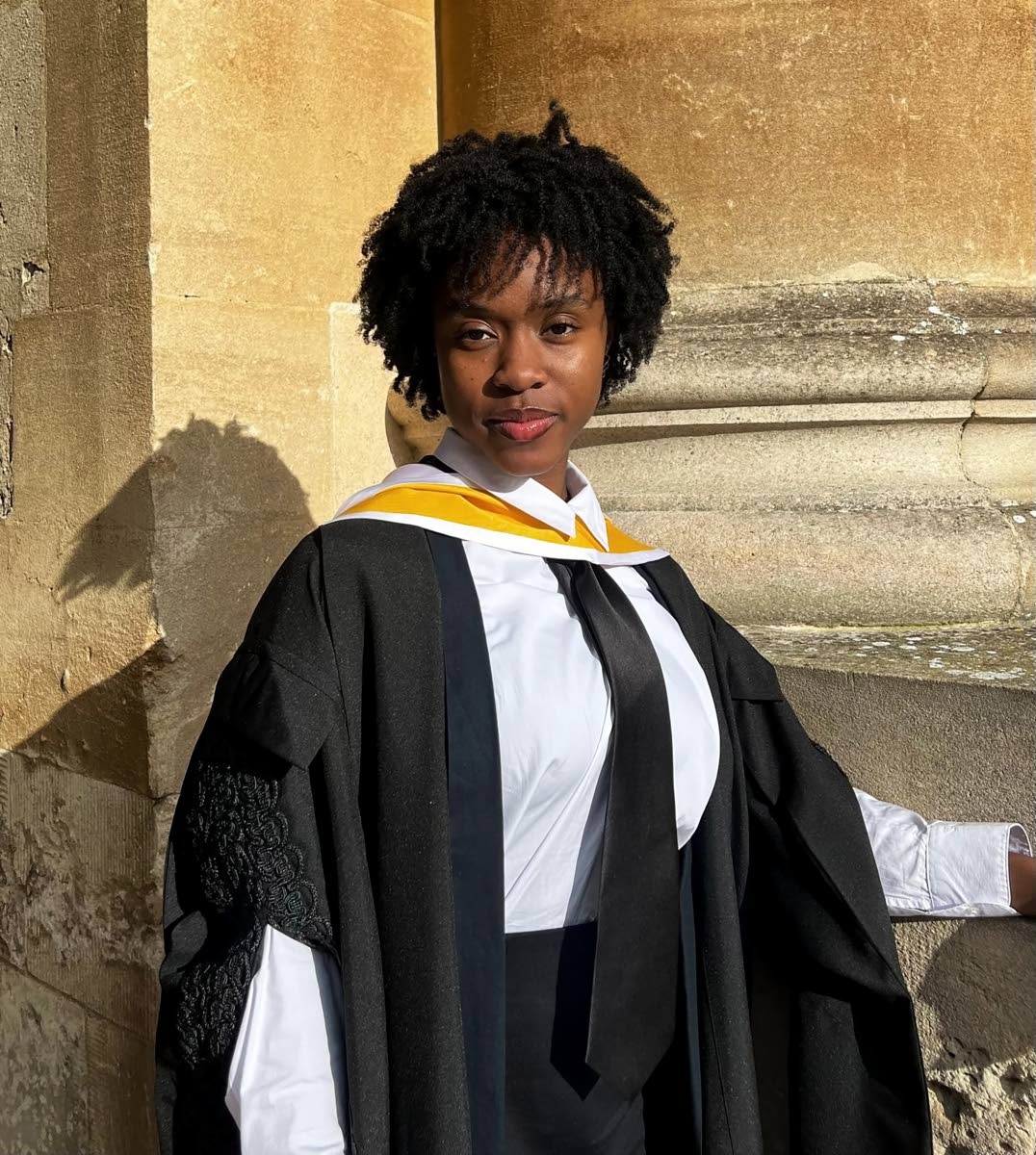
Cerena Parkinson | Lest we forget the power of our artistic expression
Jamaican artistic expression is an international catalyst for social reform. Our country’s reggae music, cultural dances and modern art have transcended physical borders. These artistic works that celebrate the dignity of our people exemplify our culture’s emphatic resistance to colonial oppression.
To realise the lofty goal of decolonisation, we must remember that colonialism does not end with the declaration of a nation’s independence. Rather, it ends when the minds of the people who have suffered at its hands have experienced a healing.
The lyrics of Bob Marley’s song Zimbabwe, written to commemorate the end of colonial rule in Rhodesia, is an anthem and a manifesto of hope for a decolonial future. Its lyrics remind us that the strength of our agency is greater than the systems we have been conditioned to believe are immovable. Lines, such as, “Every man got a right to decide his own destiny”, bestow on us a responsibility to conquer systemic oppression on a personal level and in doing so, forge a path to collectively move our society forward.
Today, Jamaica is still grappling with the legacies of enslavement, discrimination and systemic oppression. These include issues of gender and age-based violence, socio-economic strife and youth susceptibility to crime,, which have embargoed a collective social and emotional healing imperative to the health of our nation. In light of the magnitude of these challenges, it is now more crucial than ever that we recognise the power of artistic expression in igniting the change we seek.
This can start with exploring ways to integrate culturally sensitive approaches to the practice of therapeutic services on a national level. Furthermore, investments should be made to increase access to the creative arts through grassroots organisations. By supporting the creative expression of our people we take control of the trauma and synthesise our experiences into instruments for change.
Cerena Parkinson is a multi-disciplinary artist and writer. She earned a Master of Fine Art at the University of Oxford and is an artist in residence on The Drawing Year scholarship at The Royal Drawing School in London.