Earth Today | A case for conservation
Loading article...
-
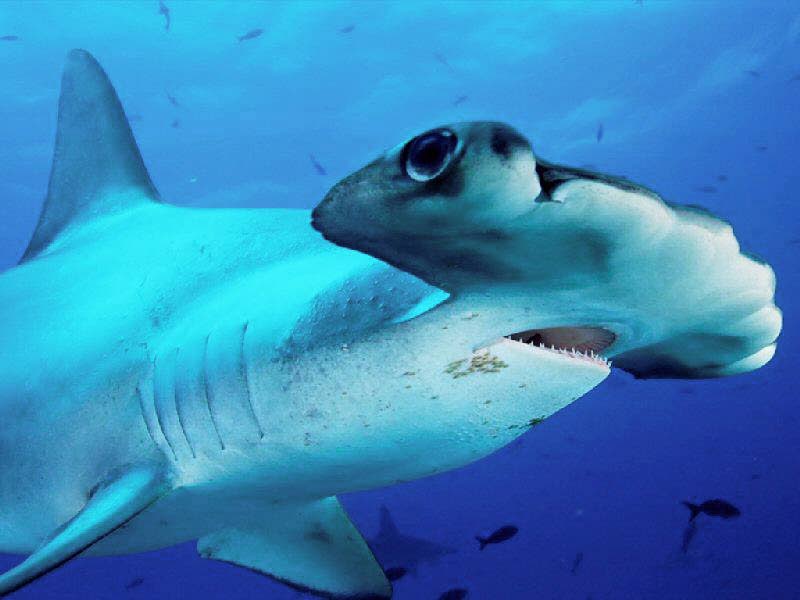 A hammerhead shark.
-
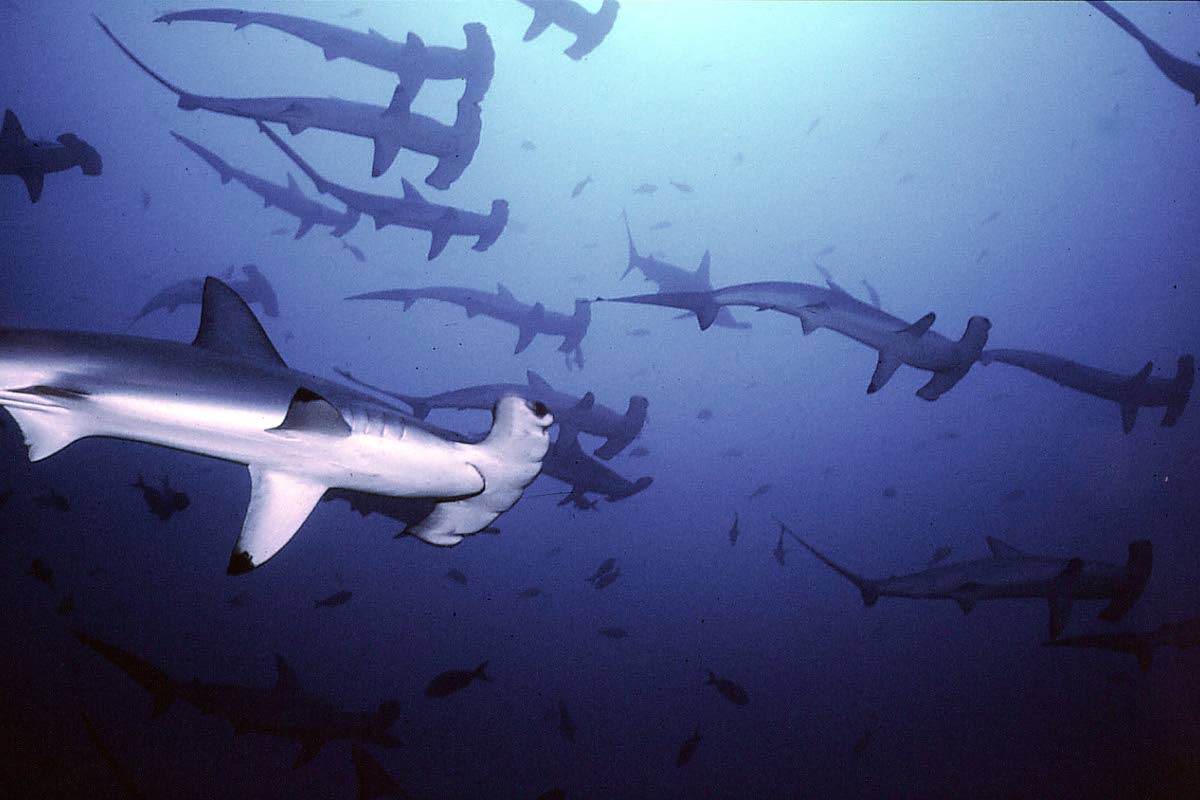 A school of hammerhead sharks.
PARTIES TO the Convention on the Conservation of Migratory Species of Wild Animals (CMS) have submitted proposals to add 42 new migratory species to the convention’s appendices as needing international conservation.
An environmental treaty of the United Nations, CMS convenes governments and stakeholders to address the conservation of migratory species and their habitats.
The legally binding convention has two appendices: Appendix I, which is aimed at species that are endangered; and the Appendix II, which is aimed at species that warrant international cooperation. The proposed amendments to the appendices of CMS will be considered at the upcoming 15th Meeting of the Conference of the Parties (COP15), to be held in Campo Grande, Brazil, from March 23 to 29 (2026).
“As the pressures on our planet’s migratory species intensify, international commitment to take effective measures has never been more essential. The proposals to list 42 new species on the CMS appendices, including iconic animals like the snowy owl and the hammerhead shark, reflect the urgent need for coordinated global action. At COP15, governments have an opportunity to strengthen efforts to safeguard these species,” said Amy Fraenkel, CMS executive secretary, in a release from the United Nations Environment Programme last month.
From antelopes and whales to bats, birds and sea turtles, migratory species addressed by the treaty are those species of wild animals that need to travel regularly, often seasonally, as part of their natural life cycles, and which cross at least one national border.
They are vital for healthy, well-functioning ecosystems. They provide crucial services like pollination, seed dispersal, carbon storage and pest control, and benefit communities that rely on them as a source of food and income.
SPECIES IN DECLINE
Yet, many such species are in decline because of pressures, including habitat loss and fragmentation, overexploitation, climate change and pollution.
Among the 42 species proposed for listing under the convention, several illustrate the urgent challenges facing migratory wildlife. The striped hyena ( Hyaena hyaena), for example, occupies a broad but increasingly fragmented range across Asia and Africa.
With a global population estimated at fewer than 10,000 mature individuals, it is threatened by habitat loss and fragmentation as a result of agriculture, urbanisation and infrastructure development; diminished prey caused by declines in other large carnivores and shifts in livestock practices; and illegal hunting and trade. Widespread persecution, often stemming from human-wildlife conflict and negative perceptions, further endangers this vital scavenger, which helps recycle nutrients and prevent disease through carrion consumption.
Similarly, the snowy owl (Bubo scandiacus) has become widely recognised in recent years through popular culture, but its status is increasingly precarious. Over the past three decades, the species has lost a third of its global population; the international conservation organisation BirdLife International recently declared it extinct in Sweden.
As a top predator and an avian icon of the Arctic tundra, the snowy owl is a key indicator of the health of this fragile ecosystem. Climate change and overexploitation are among the primary drivers of its population decline, underscoring the species’ vulnerability, despite its iconic status.
Marine species also face grave risks, as seen in the plight of the great hammerhead shark (Sphyrna mokarran). Overexploitation in fisheries, both as a targeted catch and as bycatch, has led to steep population declines, driven by the high market value of its fins and the demand for its meat. This overfishing affects the shark at all life stages in both nearshore and offshore waters. As an apex predator, the loss of the great hammerhead threatens to destabilise the marine food web and compromise the overall health of ocean ecosystems.