Earth Today | Direct access financing doable for developing countries
Loading article...
-
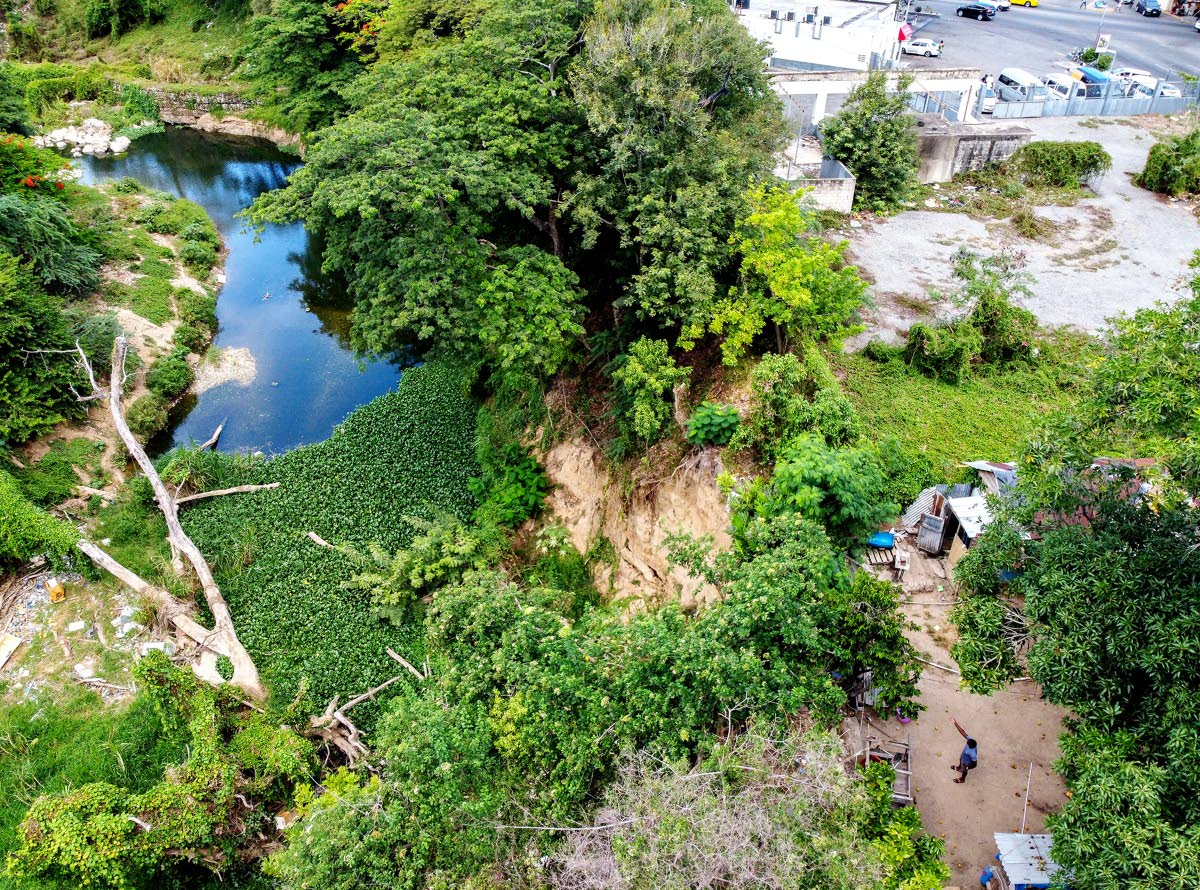 An aerial photograph of a house on Barrett Street in Spanish Town, St Catherine on Friday, July 17, 2020. The dwelling inches closer to the Rio Cobre with each heavy downpour of rainfall, as a result of soil erosion.
-
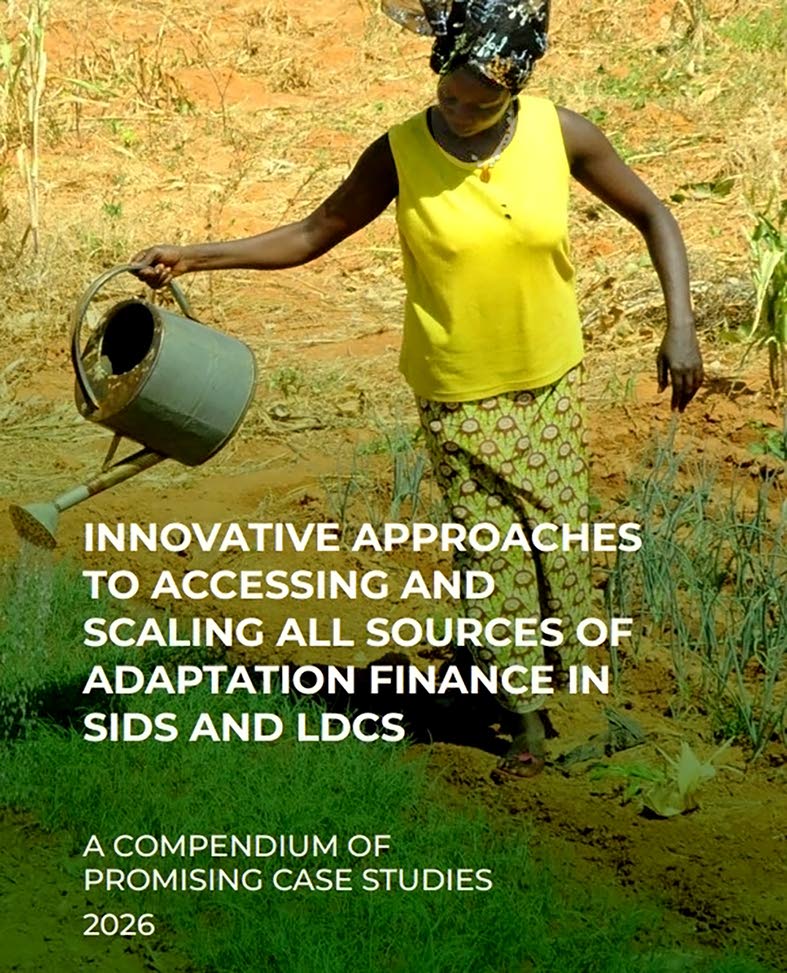 IIED and Adaptation Financing report 2026
-
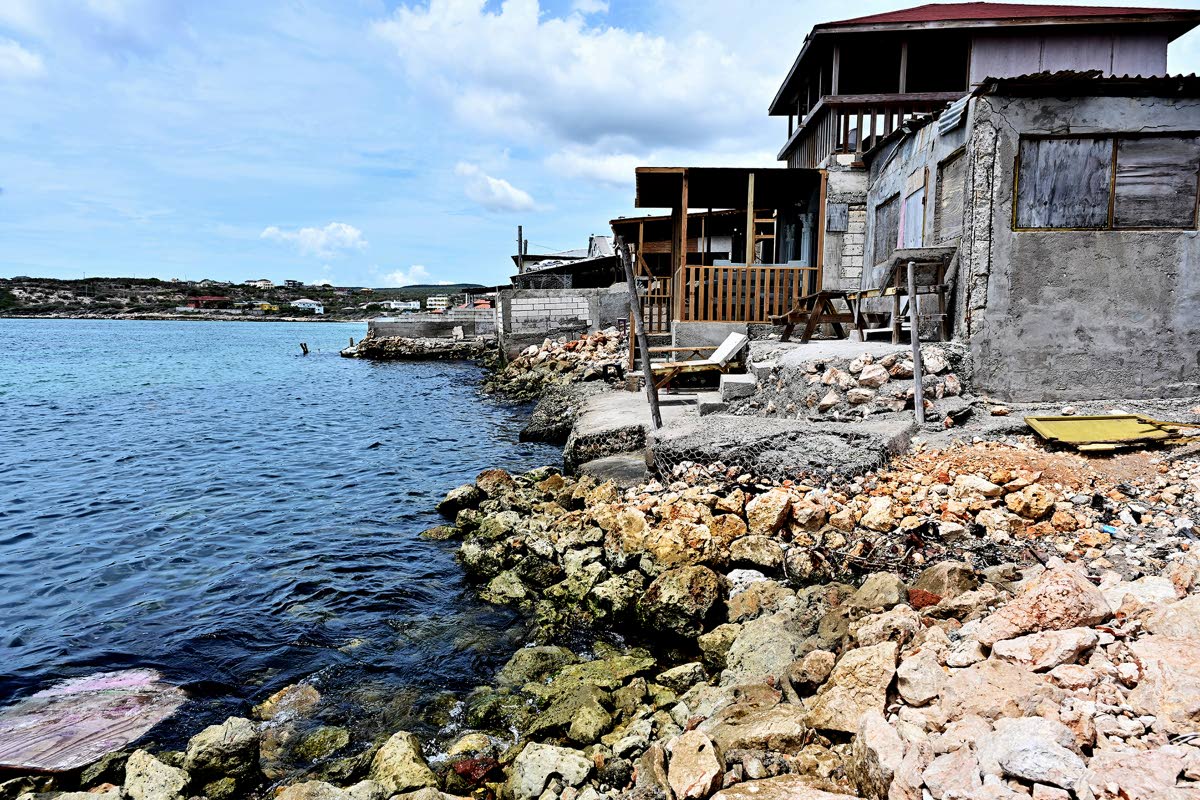 In St Catherine – Hellshire’s vanishing beach as photographed on Friday, September 19, 2025.
THE LOCALLY Led Adaptation (LLA) funding window of the Adaptation Fund (AF) is being hailed as a model worthy of emulation at a time when climate-vulnerable developing countries continue to lobby for support to exercise greater autonomy over their resilience-building efforts.
With climate realities – such as extreme hurricane events, sea level rise and coastal erosion – a clear and present danger, the Alliance of Small Island States (AOSIS), for example, has consistently lobbied for predictable, accessible climate financing from the developed world. AOSIS has represented the interests of some 39 small island states and coastal communities in climate change and sustainable development negotiations for more than three decades.
The LLA model is being championed by a recent publication of the International Institute for Environment and Development (IIED), which looks at instructive case studies from around the world.
Titled Innovative Approaches to Accessing and Scaling all Sources of Adaptation Finance in SIDs and LDCs, the report notes that the LLA had evolved from a recognition by the AF that there existed a gap that needed to be filled. This led to the introduction of the AF’s Direct Access funding modality and then the Enhanced Direct Access funding window turned the LLA.
“These mechanisms share a single core principle: that the people most affected by climate change should be the ones making the decisions, the publication noted.
“The fund’s approach to ensuring local actors have access to funding for climate action is underpinned by the principles for locally led adaptation, emphasising local ownership, equity and the devolution of decision-making authority,” it added.
According to the publication, the LLA window goes further by “employing updated criteria to help further align projects with LLA principles and supporting more effectively the transfer of decision-making authority directly to communities, using simplified templates, flexible eligibility criteria and community-based scoring systems to appraise and prioritise sub-projects”.
The fruits of those efforts are strengthened inclusivity and accountability, ensuring “adaptation actions directly reflect local priorities and capacities” and encouraging “design that aligns with the principle of patient and predictable funding”.
ACCESS TO MONEY
It means that countries without an accredited national implementing entity can still access money.
“The LLA windows – regional and single-country – provide project preparation funding that can be higher, as needed, than the limits for such funding under other windows, in response to unique needs associated with the preparation of LLA projects,” noted the publication, authored by Dr Annaa Hassan and Dr Mohsen Gul, both of the IIED and Samson Mbewe and Emma Botha, both of SouthSouthNorth.
According to the publication, there is a variety of notable innovations and practices that are associated with the model. They include the provision of subnational mechanism and readiness support, as seen in Rwanda which established a subnational adaptation fund – the Rwanda Green Fund – to channel finance to districts and civil society organisations.
That was supported by the creation of a project development clinic that provided local applicants with the opportunity to “secure one-on-one appointments with technical experts to refine their project designs prior to submission.”
This was together with the application of a flexible project planning model, as well as targeted, hands-on institutional capacity building.
Of course, its adoption is not without its challenges, with the authors of the publication recommending strengthening project advisory teams and focus on sustained post-project support that sees the clear exit plans that can “integrate project results into long-tern national or district action plans and government budgets to ensure sustainability beyond the funding cycle.”
They also recommend that proposals should match the capacity of institutions and the adequacy of project formulation grants.
The AF currently has 10 EDA and LLA projects that have been financed to the tune of some US$52 million.
pwr.gleaner@gmail.com