Billion-Dollar Collapse
Loading article...
-
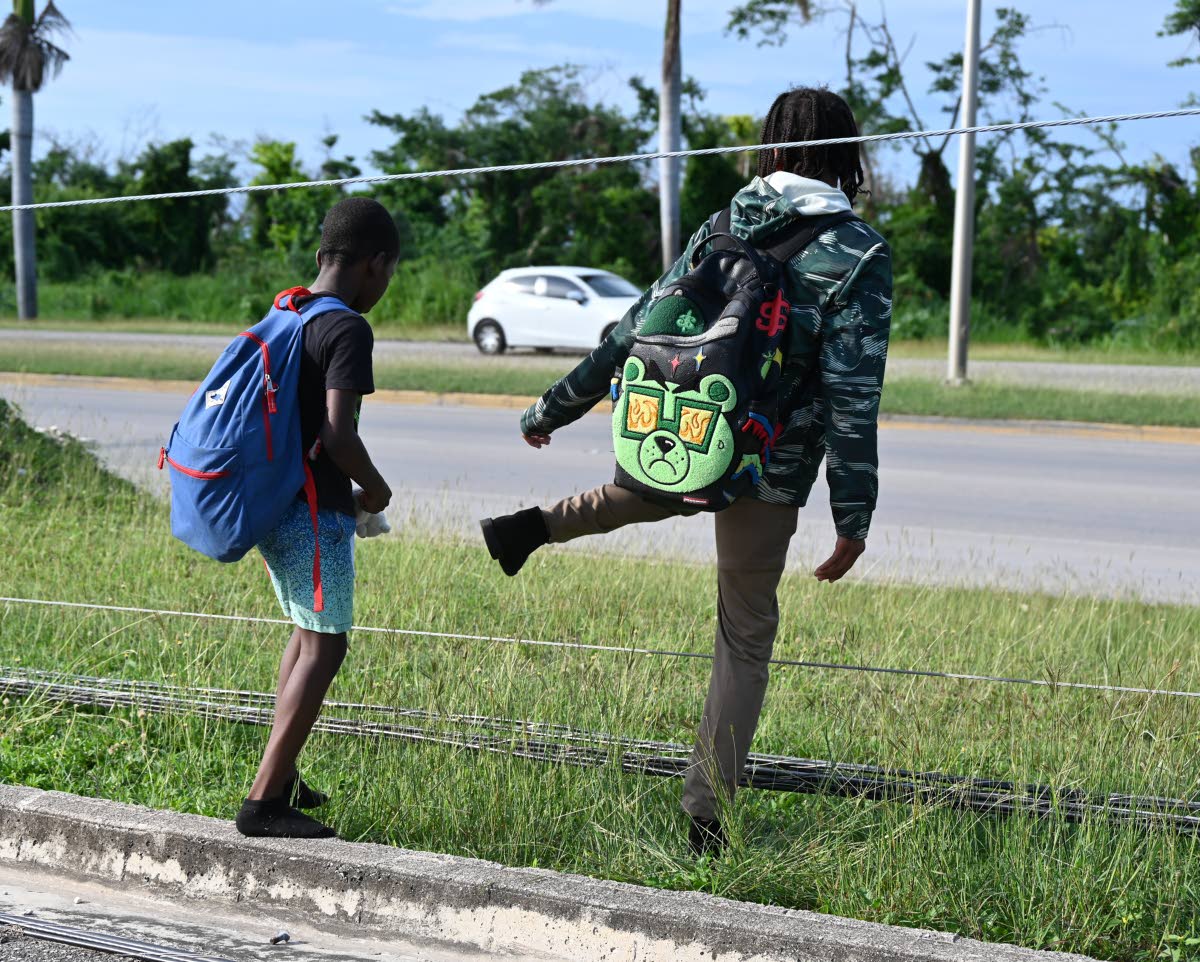 Two young children carefully cross downed cable wires on their way home from school in Rose Hall, St James, last Friday.
-
 Graham: Once that glass fibre is damaged, salvage is not an option. You have to rerun everything.
-
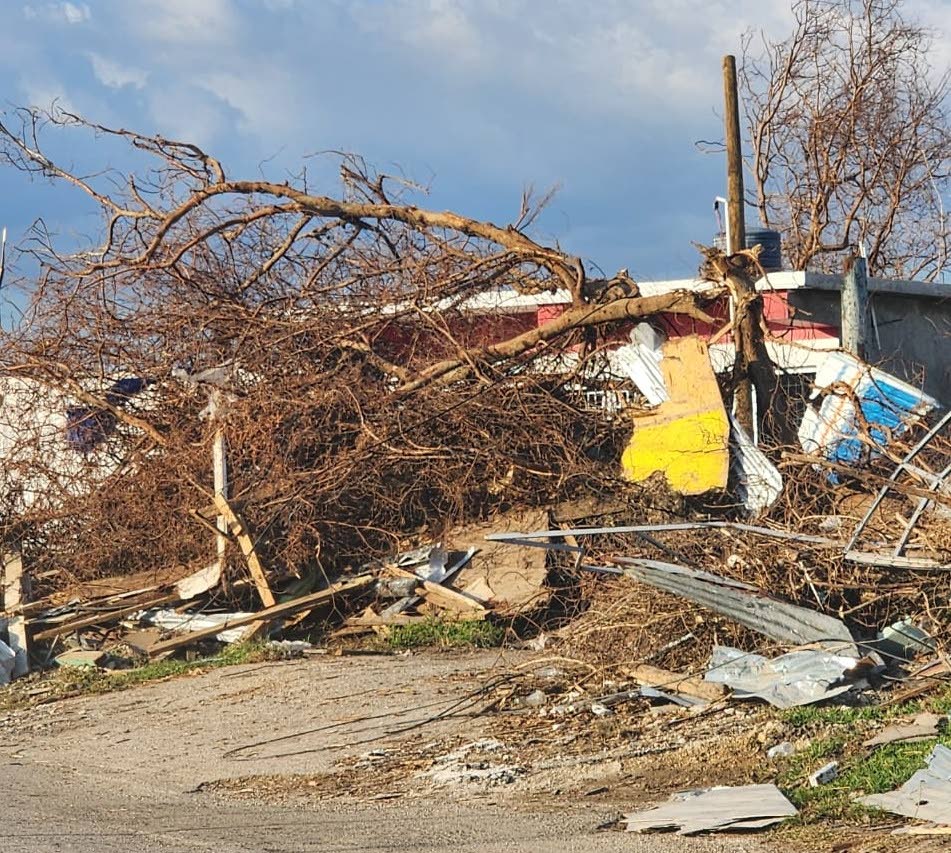 The Black River, St Elizabeth office of Hometime Cable after the passage of Hurricane Melissa.
-
 Broadcasting Commission Executive Director Cordel Green said a rapid post-hurricane survey that was done with the UNESCO found that at least $5 billion would be required to begin rehabilitating the broadcasting sector, with cable infrastructure accounting for the bulk of the damage.
-
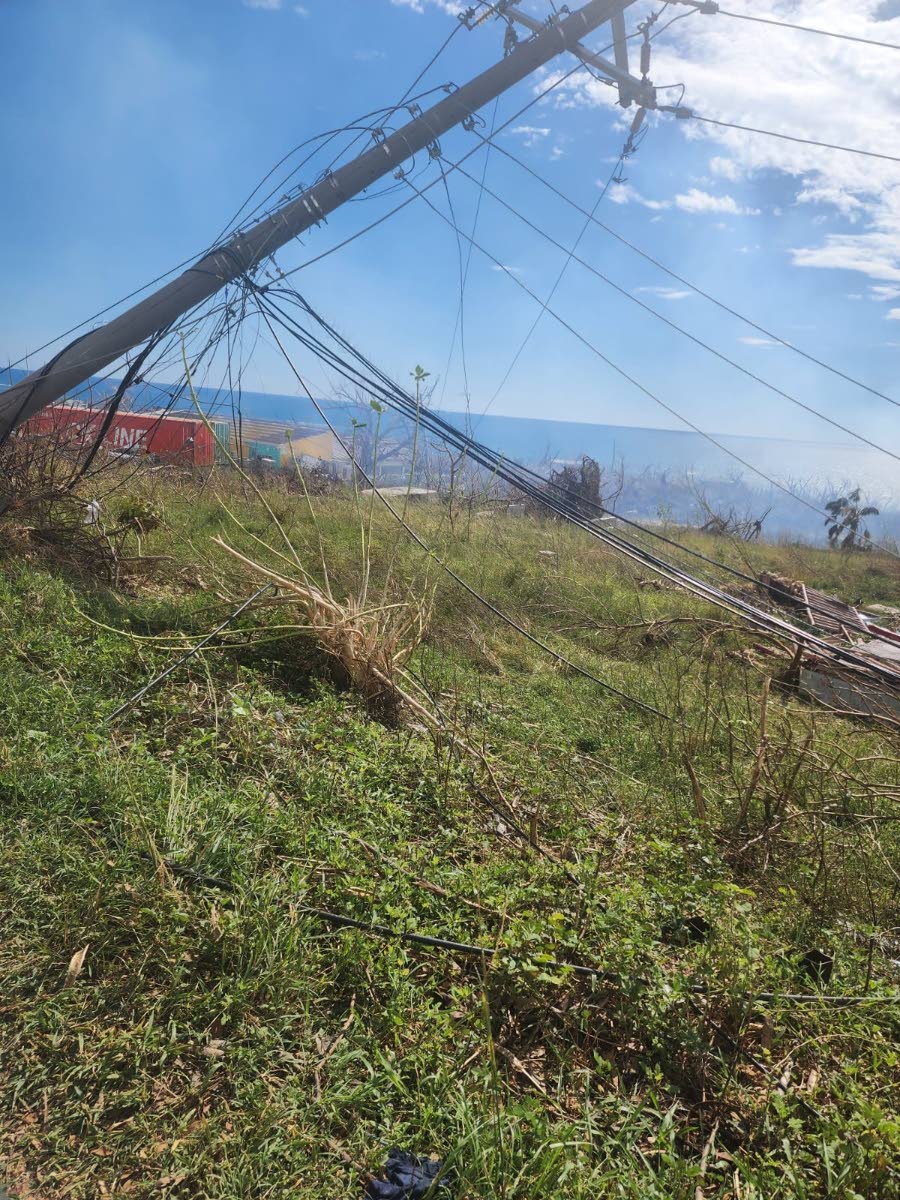
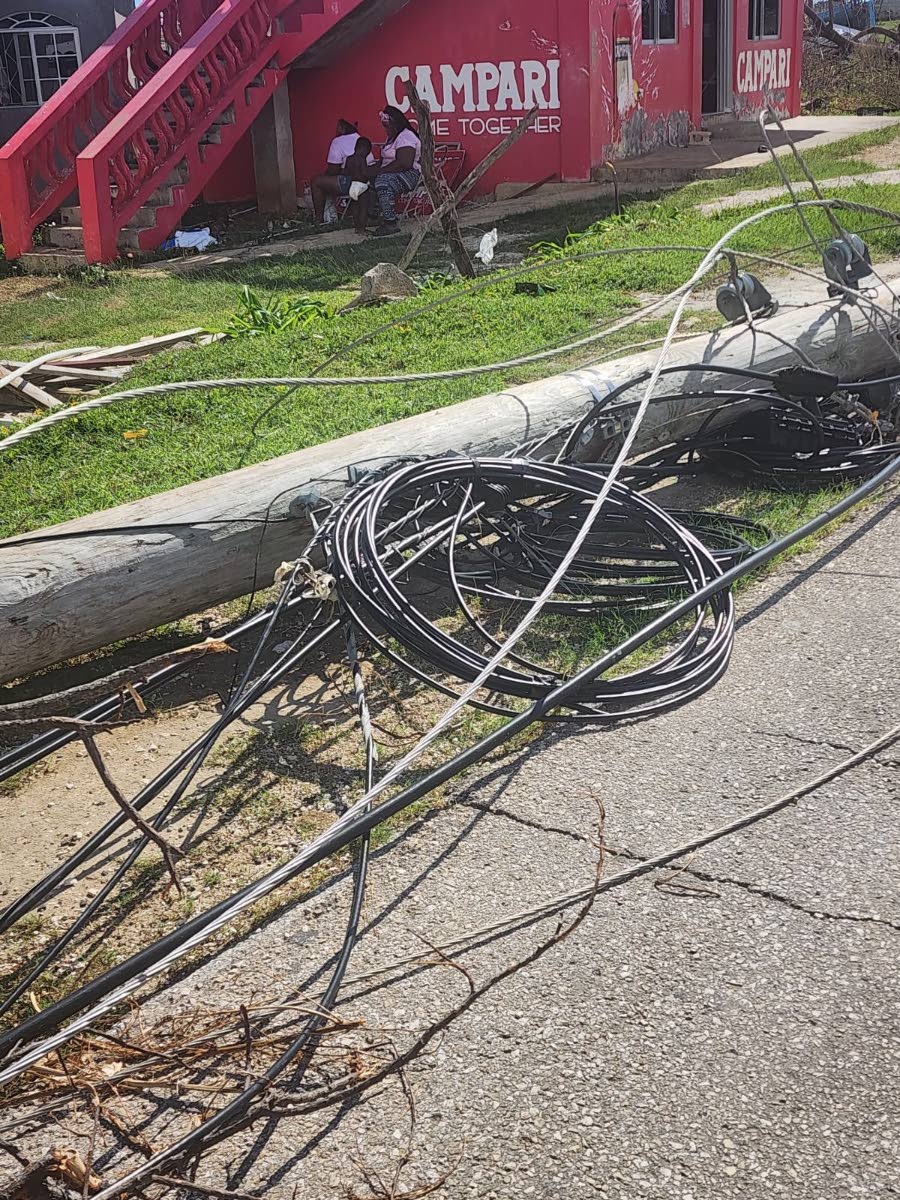 A downed utility pole showing mainly wires belonging to Hometime Cable after the passage of Hurricane Melissa.
-
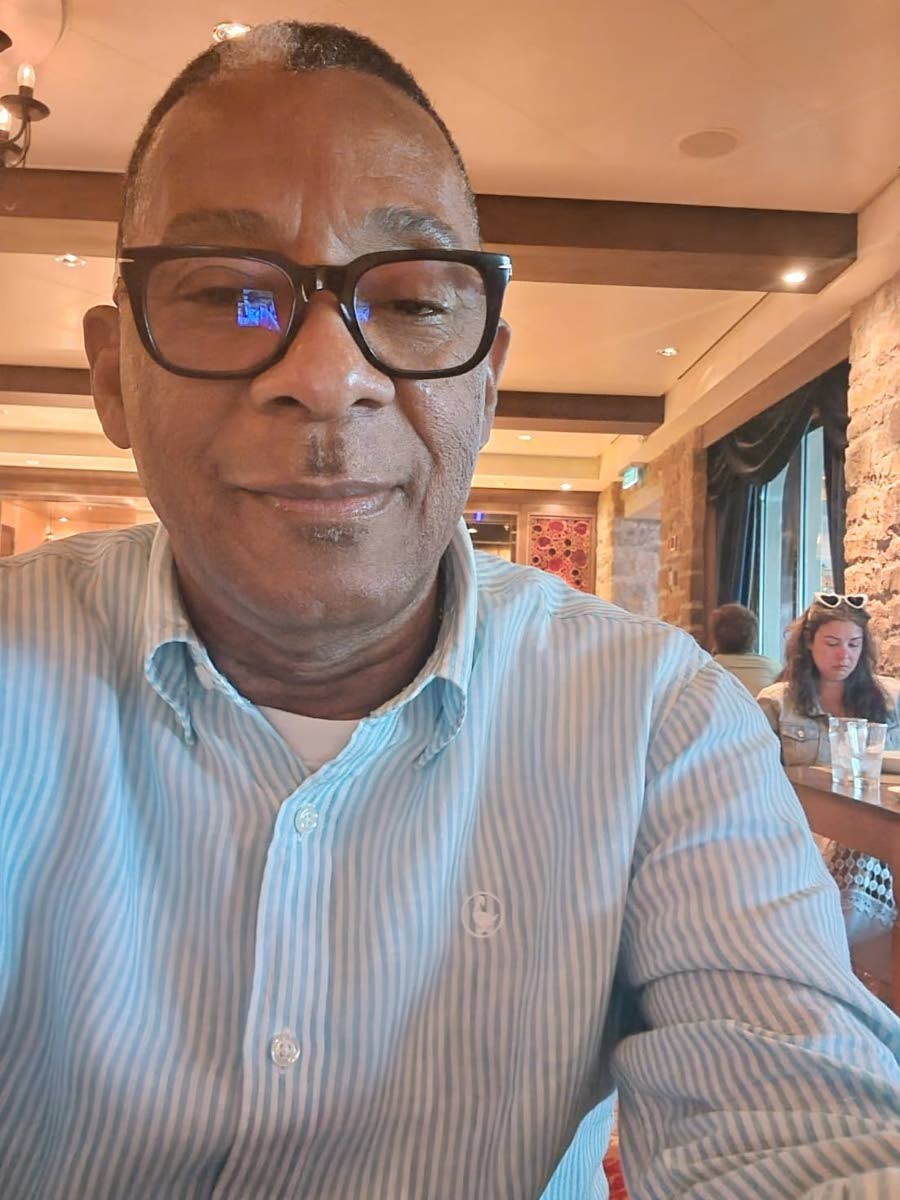 Anthony Graham, chairman, Jamaica Association of Community Cable Operators and owner of Hometime Cable.
-
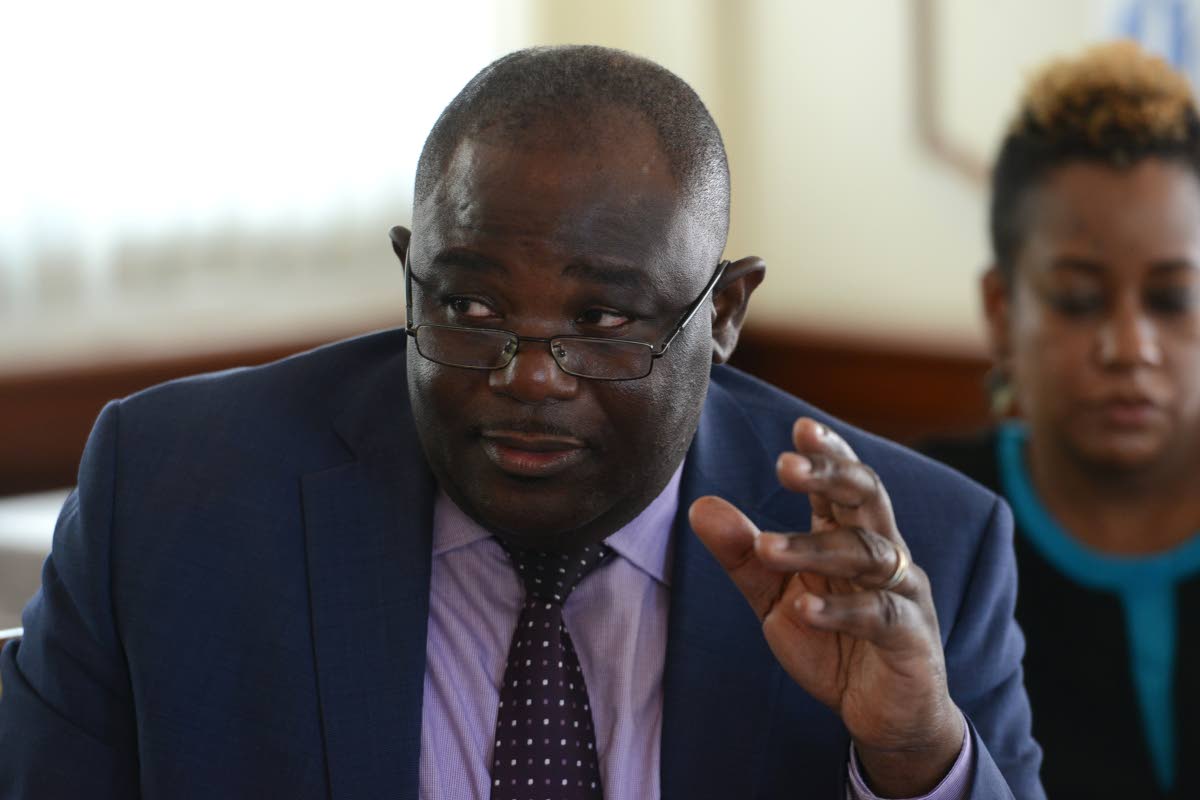 Broadcasting Commission Executive Director Cordel Green.
WESTERN BUREAU:
Three months after Hurricane Melissa struck western Jamaica, large sections of the community cable network remain dark, leaving operators to confront an estimated $1.4 billion in losses and the possibility that locally owned media may not recover.
For Anthony Graham, chairman of the Jamaica Association of Community Cable Operators (JACCO) and owner of Hometime Entertainment, the damage left by the October 28, 2025, storm has been catastrophic.
Across St James, Westmoreland and St Elizabeth, zero per cent of Hometime Entertainment’s network is currently delivering cable service. That shutdown represents 82 per cent of his customer base, leaving entire communities without access to local television, news, emergency messaging and basic information.
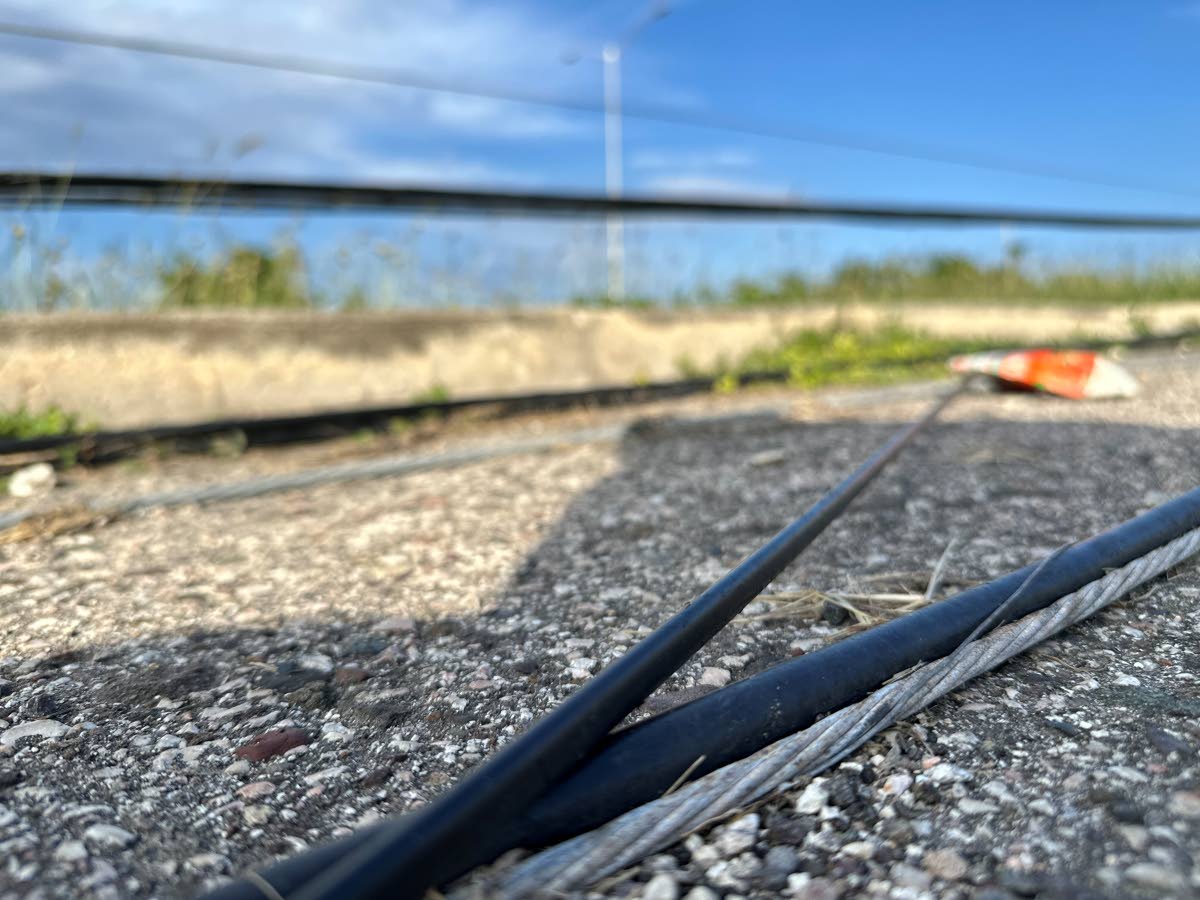
“Community cable operators rely on the JPS (Jamaica Public Service) grid,” Graham explained. “When the hurricane hit, it didn’t just take down poles. It destroyed the fibre-optic cables attached to them. Once that glass fibre is damaged, salvage is not an option. You have to rerun everything.”
For Home Time Entertainment alone, losses are estimated at $211 million. Industry-wide, Graham puts the figure at $1.4 billion, affecting 45 JOCCA members across the island. While western Jamaica absorbed the heaviest blow, operators in St Ann, Trelawny, Manchester and parts of Kingston also suffered significant damage.
The scale of rebuilding his business is immense. Graham estimates that more than 120 kilometres of cable must be replaced just to restore sections of the south coast network.
“And finding the money to rebuild has been extremely difficult,” he told The Sunday Gleaner. “Nobody has come to rescue us.”
Job losses
The collapse has translated directly into job losses.
Before Hurricane Melissa, Home Time Entertainment employed 64 full-time workers, supported by eight to 12 part-time staff. With the network down and revenue streams severed, Graham says he has been forced to lay off about 60 per cent of his workforce.
“These are technicians, installers, office staff, people with families,” he said. “When the network goes down, livelihoods go down with it.”
Not all community cable operators are in the same position.
In Montego Bay, Roxroy Sinclair, owner of Cornwall Communications, has managed to restore service in much of the city, though the road back has been slow, costly and uneven.
“It was devastating, like it was for every other service business,” Sinclair said. “Wherever JPS poles were damaged, we were affected, too, because we share those poles to deliver service.”
Cornwall Communications resumed restoration work from October 30, just days after the storm. Today, many urban communities, including downtown Montego Bay, Norwood, Cornwall Courts, Greenwood, Freeport and Westgreen are back online.
“Before the hurricane, we served communities from Montego Bay to Savanna-la-Mar, and through Maroon Town and Five Miles,” Sinclair said. “Right now, most areas outside the city are still at a standstill.”
In some cases, recovery is stalled not by equipment shortages but by access. After JPS altered transmission routes, Cornwall Communications must now secure approval to pass through Reading Heights to restore service to communities such as Anchovy.
“You can have the equipment ready,” Sinclair said, “but without access, you can’t reconnect people.”
Sinclair estimates his company’s losses at $20 million to $30 million and says staffing has fallen to between 12 and 15 employees, with others temporarily sidelined.
According to the Broadcasting Commission of Jamaica, the devastation facing community cable operators reflects a broader breakdown in Jamaica’s communications infrastructure.
Executive Director Cordel Green said a rapid post-hurricane survey that was done with the UNESCO found that at least $5 billion would be required to begin rehabilitating the broadcasting sector, with cable infrastructure accounting for the bulk of the damage.
“Where utility poles were most severely damaged, you can extrapolate the significant destruction to coaxial and fibre cables attached to them,” Green said. “For cable companies, particularly in western Jamaica, the impact has been devastating.”
Green stressed that community cable operators occupy a unique role, serving areas often ignored by larger providers and delivering free-to-air television where over-the-air reception is poor.
Some operators also broadcast local community events – from church rallies and funerals to graduations and football matches.
He said the Broadcasting Commission, working with UNESCO, has recommended that broadcasting be formally recognised as critical infrastructure in future disaster-response planning.
The commission is also examining regulatory forbearance, including licence fees and licensing conditions, to ease pressure as operators seek financing.
For Graham, however, policy discussions have yet to translate into tangible relief.
Graham said his concerns were not raised informally or in passing. On November 12, 2025, he wrote to Daryl Vaz, minister of science, energy, telecommunications and transport, outlining the scale of the devastation facing community cable operators and warning that the sector’s survival was at risk without urgent intervention.
Writing on behalf of the JACCO, Graham stated the preliminary assessments of the losses ranging from total destruction to severe impairment of aerial and ground-based communication systems.
“As all operators rely heavily on the JPS grid for the anchoring of fibre optic cables and related outside plant infrastructure,” the letter stated, “the collapse of poles, destruction of customer premises equipment and prolonged power outages have left the majority of our networks inoperable.”
The letter underscored the wider national impact, noting that community cable operators collectively pass more than 250,000 households, directly employ over 1,500 Jamaicans, and support the livelihoods of an estimated 7,000 citizens through dependent and ancillary services.
“The survival of this vital communications sector,” Graham wrote, “is integral to national information access, rural and remote connectivity, and community employment, and is now at severe risk.”
Among the measures proposed was the establishment of an Emergency Telecommunications Relief Fund, guaranteed to all licensed community cable operators, to support immediate restoration and longer-term recovery. Graham outlined three specific forms of assistance: grants for urgent network restoration and equipment replacement; an unsecured recovery loan facility at concessional interest rates; and duty concessions and tax relief on the importation of critical telecommunications equipment.
He also called for immediate consultation with the ministry and relevant agencies, including the Broadcasting Commission of Jamaica and the Office of Utilities Regulation to establish a framework for speedy disbursement.
The intervention, Graham argued, was not solely about business continuity.
“It ensures that citizens, especially those in inner-city, rural and underserved communities, retain access to locally owned communication channels, keeping them informed, connected and safe in the aftermath of disasters,” the letter stated.
To date, Graham said, while acknowledgements have been received, no concrete financial assistance has materialised.
One other proposal he continues to press is the use of Jamaica’s Universal Access Fund, which was established to support communications infrastructure and connectivity.
“I do not understand why some of that money cannot be made available to community cable operators,” Graham said. “This fund exists to ensure access, and right now, many communities have none.”
Ironically, Graham says Hurricane Melissa struck just as JOCCA was pushing a long-term transformation of the sector.
When he assumed the chairmanship, his vision was to move community cable decisively into the fibre era, creating an islandwide fibre backbone that operators could share, reducing duplication, lowering costs and strengthening resilience.
“Each operator is assigned zones by the regulator,” he explained. “Our idea was to build a shared fibre network across Jamaica, so when one area is hit, others can help carry the load.”
That vision, he said, has now been pushed to the brink by a disaster that exposed both the sector’s vulnerability and its importance.
Even before Hurricane Melissa, community cable was a high-risk business.
Insurance was scarce. Financing was difficult. Each storm threatened to erase years of investment.
For Vianni Morgan, a former cable operator who exited the industry in 2016, those pressures eventually became unbearable.
“It was always high-risk,” she said. “I shopped around and couldn’t find a single insurer willing to cover that kind of business.”
One of the very few women to build a cable operation from scratch in western Jamaica, Morgan endured hurricanes, fires, flooding, vandalism and constant technological change, from analogue to digital, each demanding costly retooling.
“Every time something happened, it was like starting over,” she recalled. “I could hardly sleep at night. I developed high blood pressure from that business.”
janet.silvera@gleanerjm.com