Early CSEC push pays off at Discovery Bay High
Loading article...
-
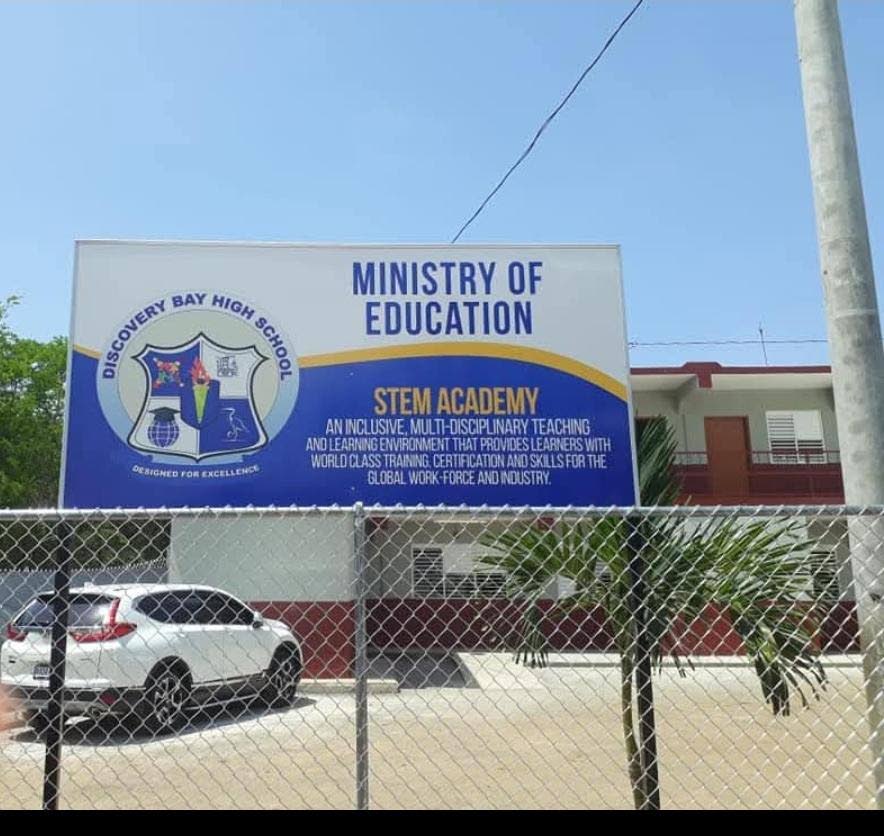 The entrance sign for Discovery Bay High School in St Ann. Contributed
-
The entrance sign for Discovery Bay High School in St Ann. Contributed
-
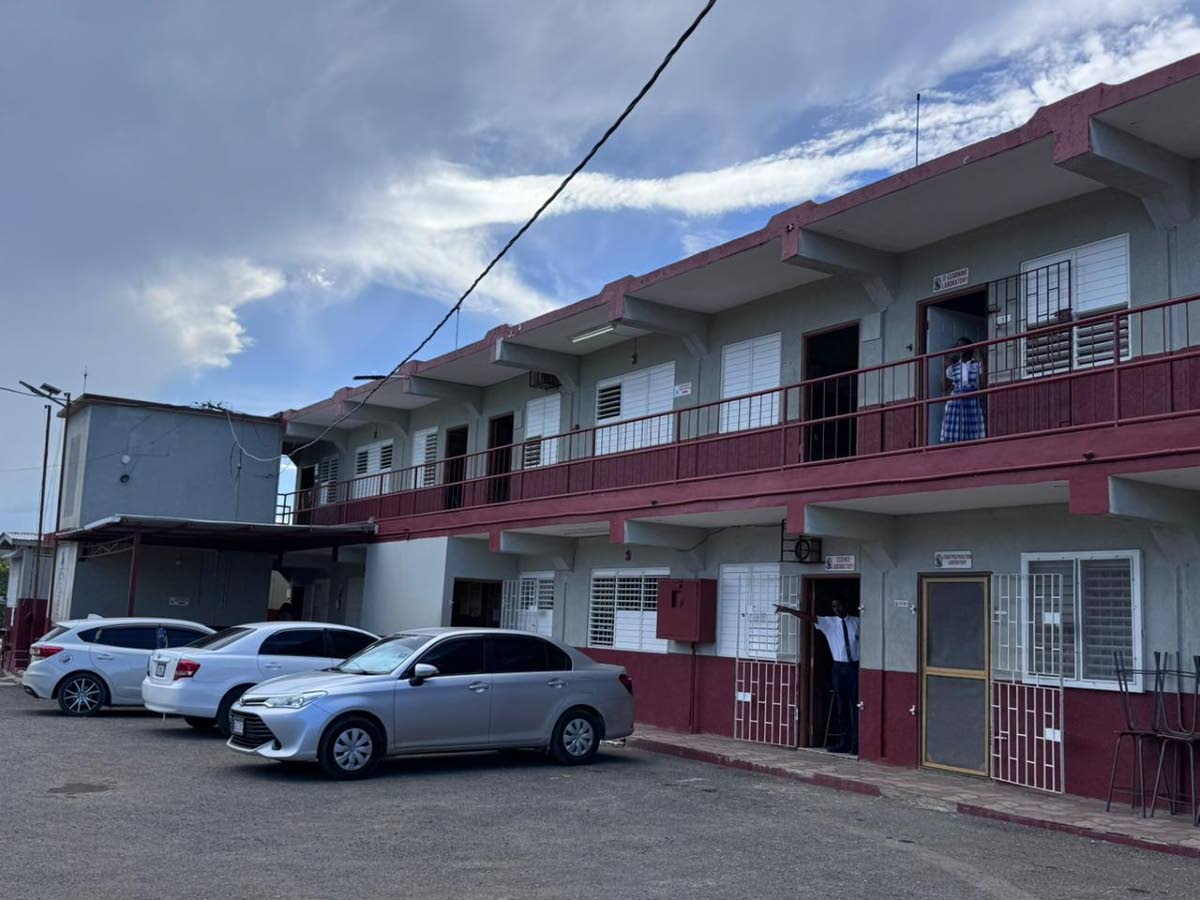 The Discovery Bay High School in St Ann. Contributed
-
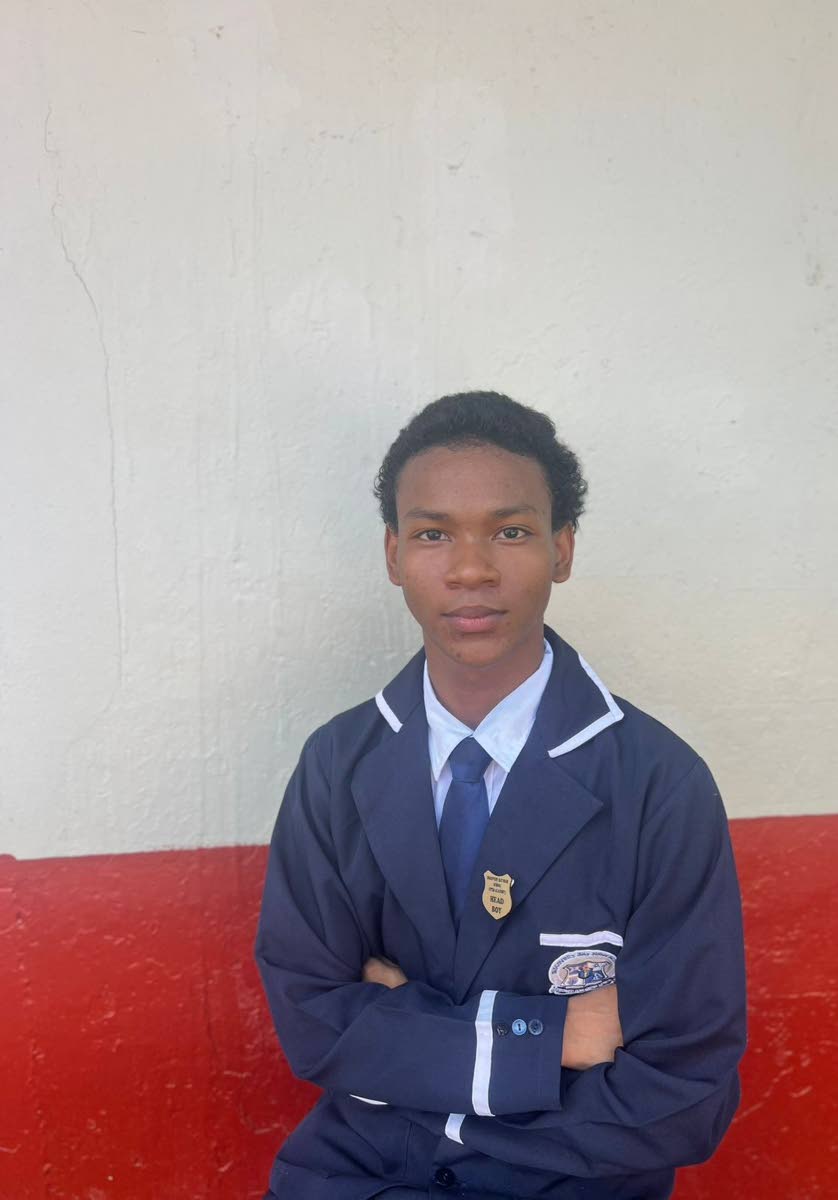 Ghajin Webb, head boy at Discovery Bay High School. Contributed
-
 Dwayne Mulgrave, principal of Discovery Bay High School. Contributed
-
 Edward Waite, the grade nine coordinator at Discovery Bay High School in St Ann. Contributed
-
 Discovery Bay High School’s ‘board of excellence,’ showcasing its selected grade nine students who have excelled academically. Contribution
WESTERN BUREAU:
Discovery Bay High School in St Ann is hailing its four-year-old Grade Nine Acceleration Programme (GNAP) – which exposes students to the rigours of the Caribbean Secondary Education Council (CSEC) – as a major success story and is urging other schools to adopt it to raise their pass rates.
The programme allows students to begin CSEC preparation in grade nine rather than the traditional grade 10. It was introduced three years after the school’s opening in 2019.
Edward Waite, the grade nine coordinator, said the programme enables students to approach CAPE [Caribbean Advances Proficiency Examination] with more time to absorb material before grade 10, easing the pressure usually associated with the syllabus. “We allow our students to specialise in the pure sciences or applied sciences, engineering, arts and humanities, business, human ecology, and technical and vocational education and training, so that they spend three years, instead of two years, studying and honing their skills in these areas,” said Waite.
“We also allow the students to pursue CSEC subjects in grades nine and 10, which allows them to take on additional subjects as well as pursue CAPE subjects while in grade 11,” he added. “Research shows that students at age 14 or 15 undergo significant physiological and emotional changes, and it is usually the period when students become unsettled as they try to ‘find themselves’. The programme sought to eclipse this narrative by exposing the students to more academic rigour and futuristic thinking regarding their careers and life in general.”
The impact has been clear. Discovery Bay High improved results in 25 of 30 subject areas in the 2025 CSEC sitting, building on gains made in 2024. Caribbean history passes climbed from 33 per cent in 2024 to 60 per cent in 2025; Spanish jumped from seven per cent to 50 per cent over the same period.
MORE TIME TO MASTER
Ghajin Webb, the school’s head boy, said the GNAP has given him and his peers more time to master the CSEC syllabus and prepare for CAPE. “By allocating more time, we can expect higher pass rates and improved performance. Additionally, the programme gives students a realistic understanding of the subjects’ complexity, allowing us to better prepare for the challenges ahead,” he said. “Through this programme I completed two CSEC subjects in grade 10, including getting a grade one result in mathematics and a grade two in social studies. This has allowed me to take on two CAPE subjects, integrated mathematics and sociology.”
Principal Dwayne Mulgrave told The Gleaner that schools should aim to strengthen students from as early as possible. “High schools need to get their junior students to start focusing on their careers, and the preparation for same, at a very early stage. There is too much time-wasting happening in the system, and then there is a rush at the end of grade 11 to finish the syllabi for subjects,” he said.
“A specialisation model is what I am proposing as the way forward for secondary education, so that we can get students who are very knowledgeable in the varied fields of study from an early age, and they can ultimately become leaders, inventors, innovators and problem-solvers, which is the whole purpose of education. If acceleration is possible, so be it; and when remediation is also necessary, we should support the children and then push ahead.”
editorial@gleanerjm.com