Business associations forge united front for MSME reform
Loading article...
-
 Cordell Williams, president of the Young Entrepreneurs Association of Jamaica. Contributed
-
Cordell Williams, president of the Young Entrepreneurs Association of Jamaica. Contributed
-
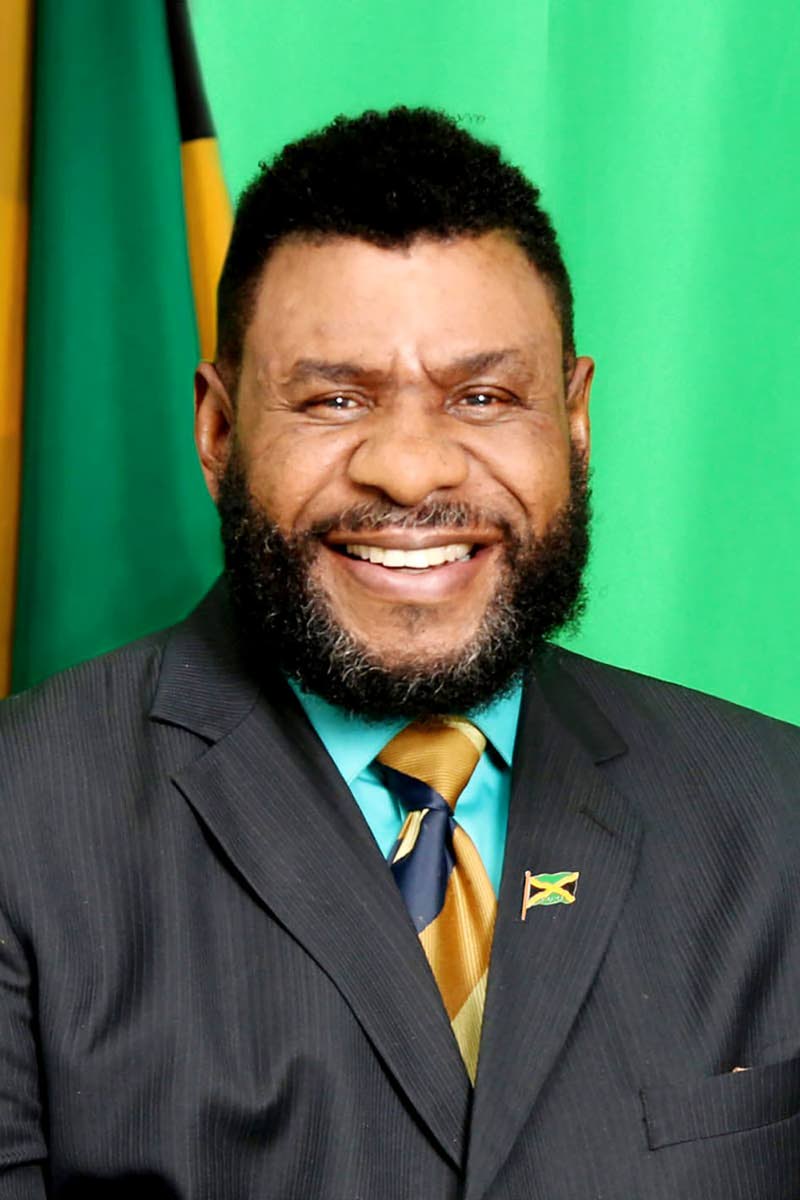 Garnett Reid
-
 Antoinette Hamilton Contributed
The Small Business Association of Jamaica (SBAJ), the Young Entrepreneurs Association of Jamaica (YEA) and the MSME Alliance have agreed to align their advocacy efforts in a bid to increase their influence on national policy.
The move reflects growing frustration with piecemeal engagement between policymakers and the MSME sector, which accounts for the bulk of Jamaican businesses but continues to report persistent barriers to finance, public procurement and trade.
The three bodies say a unified platform should strengthen their negotiating power while imposing greater discipline on advocacy and follow-through.
According to Garnett Reid, president of the SBAJ, “unity strengthens the voice of the MSME sector and enhances its ability to advocate for practical, results-oriented solutions, particularly in areas such as access to finance and participation in public procurement opportunities”.
The agreed agenda centres on policy-led reform rather than ad hoc lobbying. Priority areas include improving MSME access to government contracts, expanding trade opportunities and easing financing constraints, long-standing bottlenecks that have limited the sector’s capacity to scale and formalise.
Cordell Williams, president of the YEA, described the arrangement as a recalibration of MSME advocacy. “This collaboration represents a shift toward greater impact and intentionality in how MSME advocacy is approached, emphasising that, by working together, the organisations are better positioned to combine insights, strengthen engagement, and deliver solutions that are responsive to the real challenges faced by entrepreneurs.”
President of the MSME Alliance, Antoinette Hamilton, similarly framed the initiative as a structural upgrade. “Alignment at this level creates a stronger and more coordinated platform for engagement, enabling more effective dialogue with stakeholders and a clearer pathway for addressing systemic challenges affecting MSMEs.”
CO-CONVENED MECHANISM
Rather than creating a new institution, the associations have opted for a co-convened mechanism. The collaboration will be informal, unnamed and leaderless, meeting monthly with additional stakeholders drafted in as needed. Governance will rest with a steering committee comprising the current presidents of the three organisations (or their nominees), immediate past presidents (or nominees) and one additional representative from each body. Each organisation will hold a single vote, an arrangement intended to enforce parity and limit turf wars.
To bolster access at senior levels, the group has appointed a strategic partner to manage engagement with government, private-sector leaders, international partners and the diaspora. That role will be filled by businessman Kevin Frith, who argued that success will depend on execution as much as intent. He noted that “meaningful progress will depend on effectively bridging stakeholders, aligning national and international interests, and translating collaboration into tangible, results-driven outcomes, ultimately moving entrepreneurs and the economy forward”.
The coalition has also imposed strict communication protocols. All public engagement will be undertaken jointly; no single organisation or individual may represent the group independently in the media or in official external forums. The aim is to preserve message discipline and avoid the diluting effects of competing narratives.
For now, the arrangement is time-bound. It will operate for an initial year under a memorandum of understanding that sets out governance, communication and decision-making rules.