Strands of change
Loading article...
-
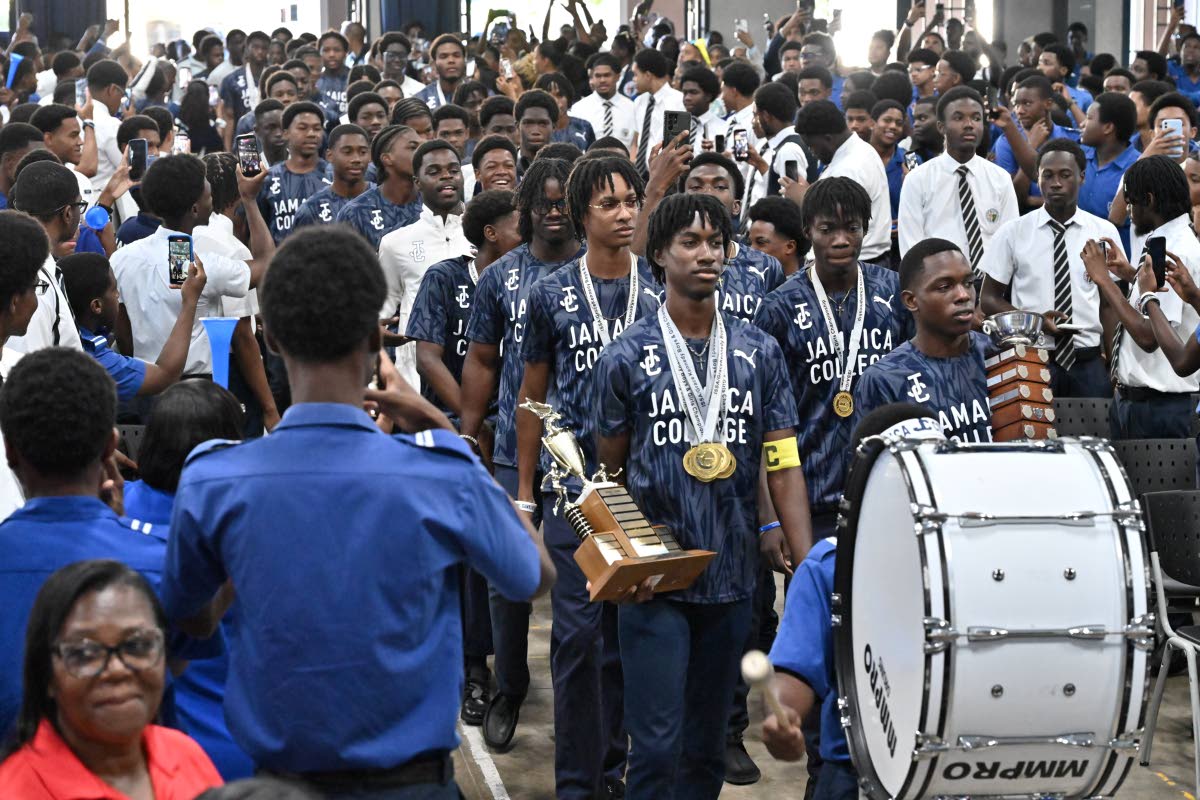 With hair of varying styles and lengths, Jamaica College students celebrating their victory in the ISSA/GraceKennedy Boys’ Athletics Championships last month.
-
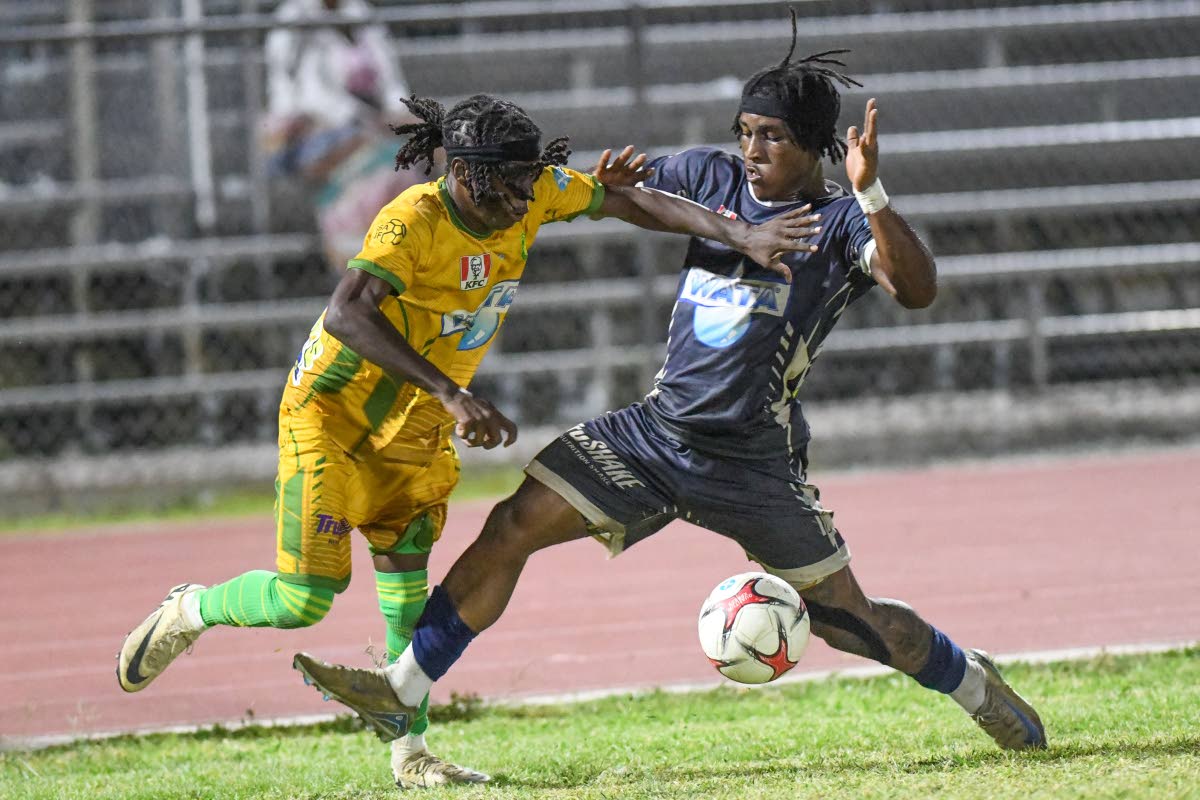 Jamoy Dennis (right) of Jamaica College tackles Tavian Byfield of St Jago High during a Manning Cup match last November.
-
 Jamaica College teammates Duwayne Burgher (facing camera) congratulates goalscorer Jamone Lyle in a Manning Cup semi-final match in December 2024.
-
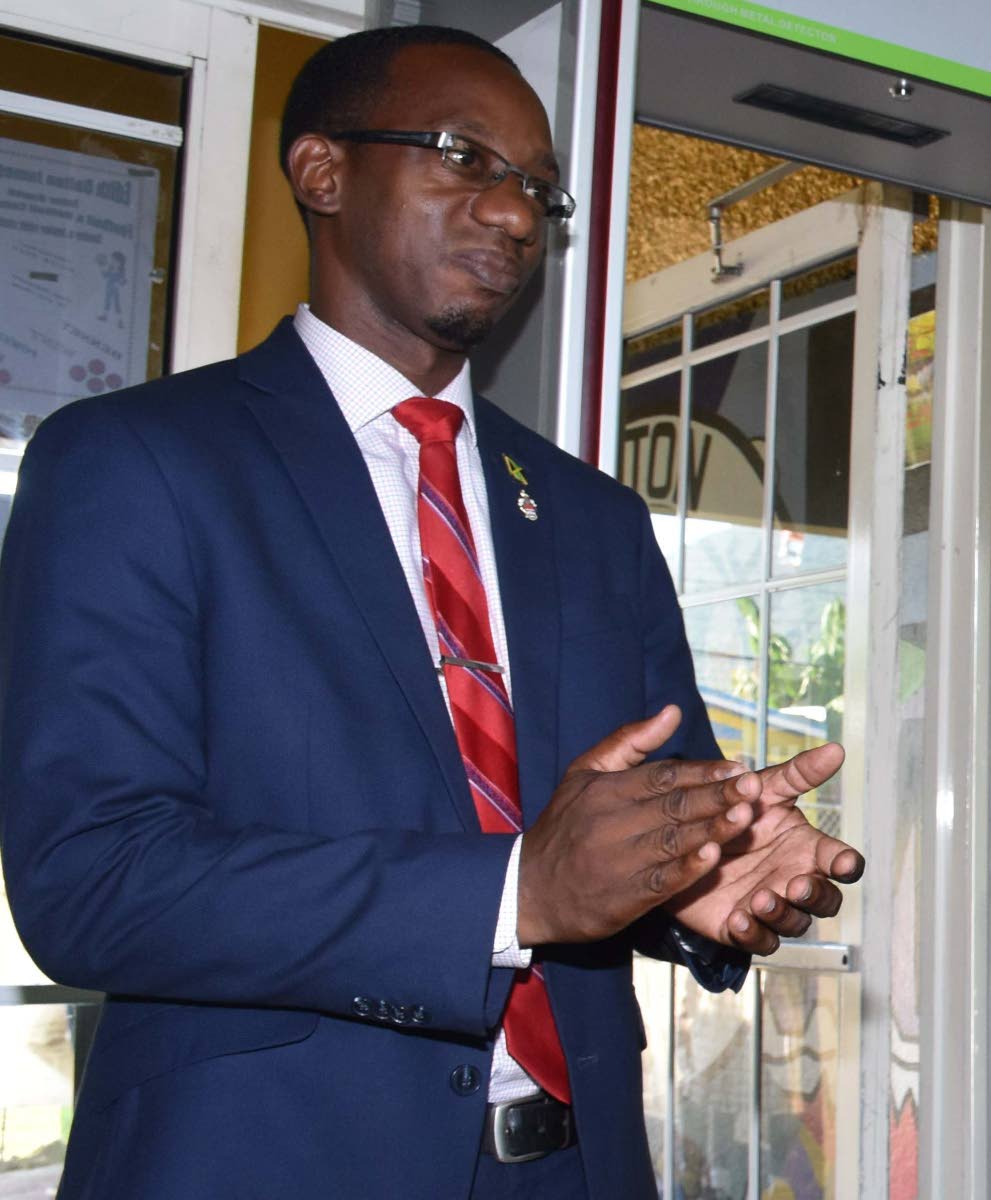
 Wayne Robinson, principal of Jamaica College.
-
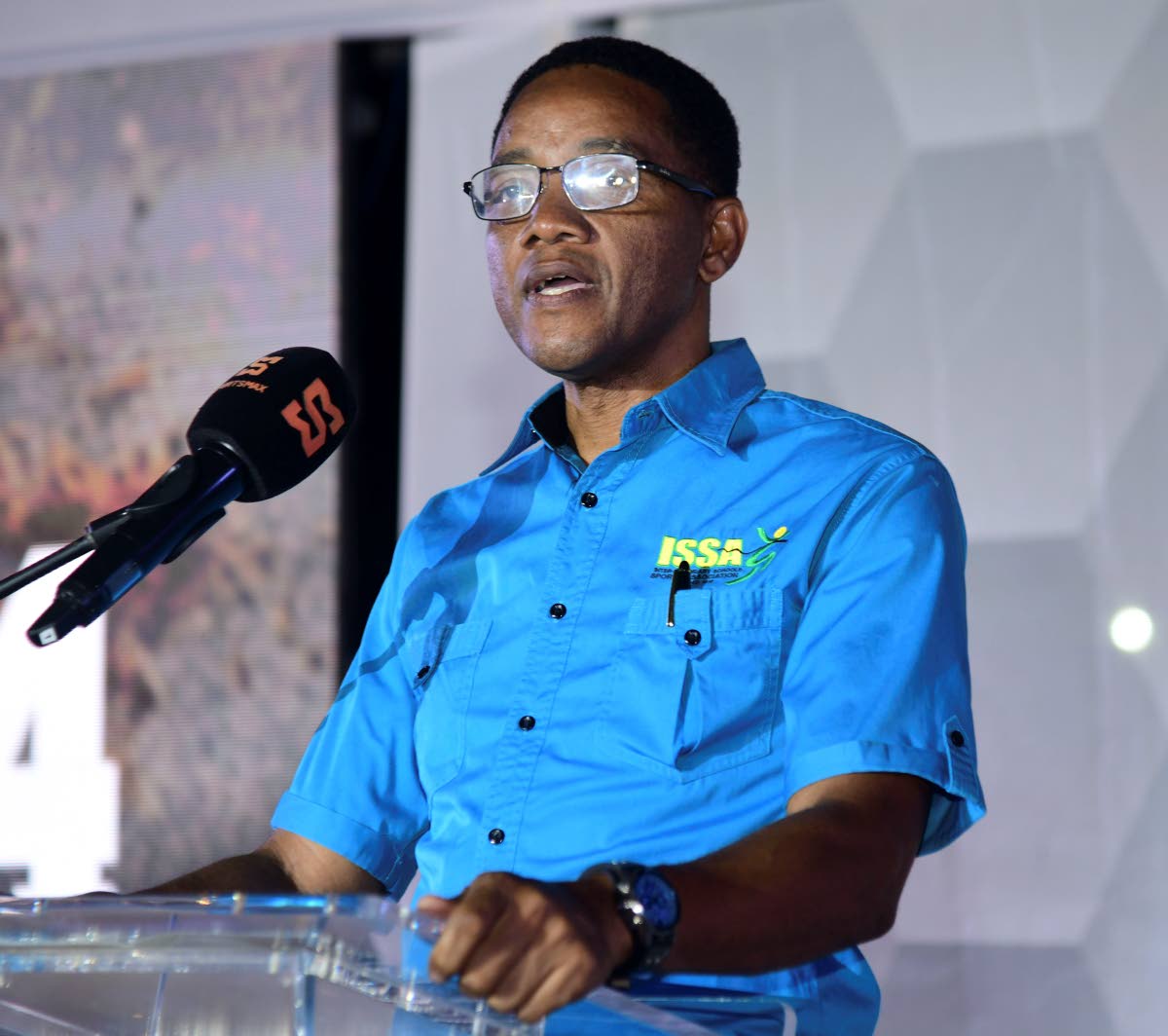 Linvern Wright, principal of the William Knibb Memorial High School in Trelawny.
-
 Dr Orlando Worges, principal of the Edith Dalton James High School.
A quiet shift is under way in some Jamaican schools, where long-standing rules governing how boys – especially those of African descent – wear their hair are being tested, stretched, and, in some cases, rewritten.
For decades, school grooming policies have enforced a narrow standard, particularly for boys. While girls have gradually been granted more flexibility – through allowances for natural styles and, in some schools, extensions that match their hair – boys have remained tightly regulated. Now, that imbalance is drawing scrutiny from students, parents, and some educators.
Change is uneven but visible. At the early childhood level, many schools permit cornrows and twists for both boys and girls, easing the morning routine for busy families. However, dreadlocks remain largely restricted to practising Rastafarians, a concession won only after years of advocacy, legal challenges, and evolving interpretations of the 1980 Education Code. In some cases, parents have taken schools to court over the denial of admission to Rastafarian children.
At the secondary level, one of the most notable departures from tradition has come at the St Andrew-based Jamaica College, where Principal Wayne Robinson has introduced a conditional approach to hair freedom for boys. His position reflects a broader critique that conventional ideas of “proper grooming” have long been shaped by colonial standards that marginalise black identity.
“It’s really about our concept of what grooming is,” Robinson told The Sunday Gleaner, pointing to how social norms evolve over time.
Styles once considered inappropriate – whether in dress or hair – often become accepted once cultural attitudes shift.
“So I go to court and the judge tells me I have to push my bush jacket into my pants and if I don’t tuck in the bush jacket, the court – the clerk – will not let me in the court. Ten years ago, you couldn’t wear sleeveless shirts to the bank. You could not and would not be seen, if you had your hair free as a female. You would be seen as unkempt. Now, now it’s the style because it’s accepted as the style,” he said.
Boys’ hairstyles, he argued, are now at that turning point.
Still, the school has not abandoned structure. Robinson has tied greater freedom in grooming to student performance and presentation.
“We want our boys to think. I told them I don’t like it unkempt right now, but I said to them, ‘Guys, we are going through a process. There will come a time when that will be accepted, too, but it hasn’t reached there yet.’
“So I said, ‘Boys, if you want to keep your hair without me harassing you – grow it, lock it, do it neatly – get a 70 per cent average and you can wear your hair any way you want.’ So it’s linked to performance,” he explained.
The policy, he told The Sunday Gleaner, was partly prompted by students themselves. In a letter to the administration, boys complained that their straight-haired peers – whether Chinese, Indian, or Caucasian – were allowed to wear long or curled hair without issue, while similar expressions by black students were penalised.
At William Knibb Memorial High School in Trelawny, Principal Linvern Wright has taken a more open approach. There, students can seek permission from the school to wear non-traditional hairstyles, with few conditions attached.
Wright, the president of the Jamaica Association of Principals of Secondary Schools, said the boards of the respective schools have the autonomy to decide on what happens in a school.
“So there are some people who are flat-out no. I am liberal about it and I will just allow students to do whatever they have to do. At my school, once a parent asks for permission, I will allow it, but I still have rules in place. But if you say your child is Rastafarian or your child wants to do it in a particular style, just write me and it will be OK.
“I personally have no problems with it. I have plenty of students here. One of the best-performing boys here, his hair is plaited,” Wright told The Sunday Gleaner.
Wright frames the issue as part of a broader cultural shift – one that moves away from the legacy of slavery and its lingering influence on standards of beauty and acceptability.
He has extended similar flexibility to girls, particularly those who struggle to manage their hair under strict rules. Rather than rigidly enforcing policy, he encourages parents to formally request exceptions.
“I have girls who struggle with their hair for one reason or the other. And I know how it goes. And I just said to the mother, once you have the issue, just write me a letter. ... So my approach is more to say, just seek permission,” he said.
His approach, however, is not universally embraced. Many educators and stakeholders, he said, remain resistant, shaped by the norms they themselves grew up with. But attitudes are changing, particularly among students.
Wright pointed to what he sees as a positive trend: more girls choosing to wear their hair naturally, rather than chemically processed.
At Edith Dalton James High School in St Andrew, Principal Dr Orlando Worges is also navigating the balance between tradition and change. Interestingly, his school has a full barber suite to teach boys the skill of barbering and which is also used to cut their hair.
“Ever since I started at Edith Dalton James High School, all we require is that they wear either a turban or a hair covering that is close enough to the fabric that we wear for school. Whether it be a khaki or – I’ve never had a challenge with a girl because if a girl’s hair is locked, we just treat it like a hairstyle.
“And however they choose to wear it, if they choose to wear a hair covering, it’s up to them. But as you know, by nature, our culture is more aimed at attacking boys or their grooming,” he told The Sunday Gleaner.
He said men in education must guide the “narrative to ensure that our boys are not marginalised”.
Illustrating, Worges said five girls could be walking and making noises and they are seen as just enjoying themselves. Five boys exhibiting the same behaviour would be considered a gang.
“I believe in proper grooming. So whatever you choose to do with your hair, it must look like you are going to school or going to work because we are training young people to become a part of our society. And what we require is that they are properly groomed,” he said.
Still, he is taking things slowly. He recalled how he recently denied a boy permission to lock his hair because he could not say if he was Rastafarian by religion or just taking on a style. He added that he would also love to allow cornrows, but society may not be ready for that yet.
“And that is something that I would love to accept, but remember, we are breaking culture. Decades of barriers,” he stated, adding that from his experience in the United States, “students are not forced to cut their hair”.
He believes it should be a choice.
“My hope is that one day we will get to the place where we transcend that and become more liberal,” said Worges.
erica.virtue@gleanerjm.com