UNDP reports progress in post‑Hurricane Melissa recovery efforts
Loading article...
-
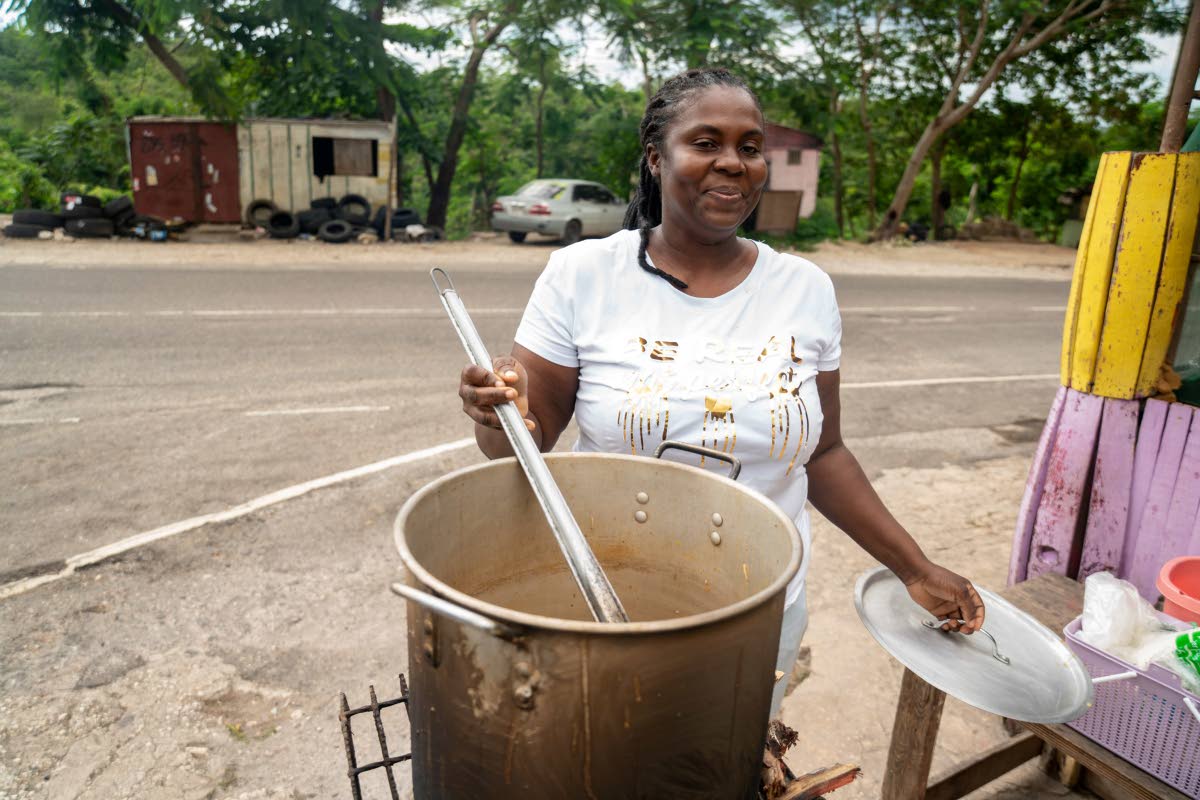 Sean Blake, who runs a cookshop at Gutters, received a stove and other inputs to restart her business. Contributed
-
Sean Blake, who runs a cookshop at Gutters, received a stove and other inputs to restart her business. Contributed
-
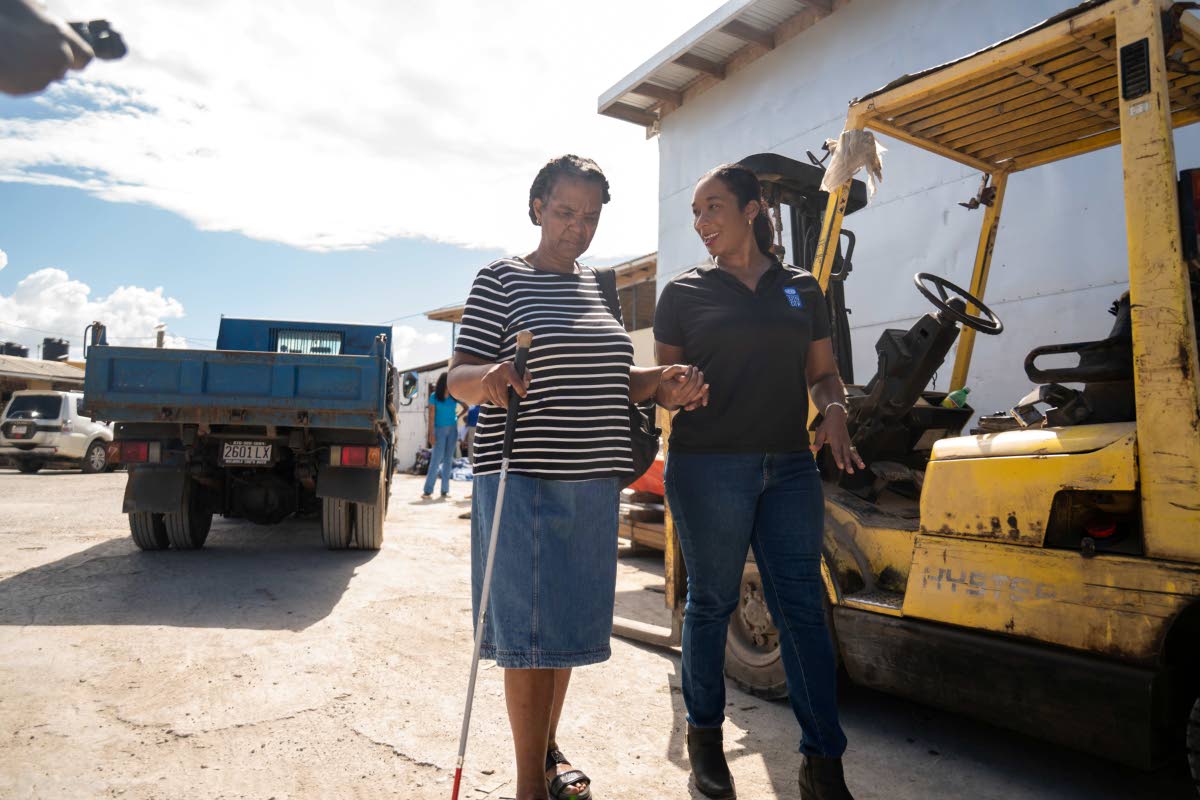 UNDP Assistant Resident Representative Lesley Ann Ennevor (right) supports Villette Neil, a poultry farmer who is blind, in receiving her gift of inputs to recover her poultry business resiliently. Contributed
Six months after Hurricane Melissa’s destructive landfall, hundreds of small and micro enterprises (SMEs) are rebuilding livelihoods and markets, while thousands of community residents are benefiting from restored commerce and paid debris-clearance programmes under the United Nations Development Programme’s (UNDP) Jamaica Resilient Recovery Initiative (JARRI).
Providing an update, UNDP Officer in Charge and Assistant Resident Representative Lesley Ann Ennevor said the first set of clean energy hubs is supporting more than 300 fishers and their families, while indirectly benefiting some 6,500 people in surrounding communities.
Fishers are reporting a marked reduction in post-harvest losses following the installation of solar-powered container hubs at Galleon Beach and Parottee, as well as a solar installation at Rio Nuevo.
By reliably powering cold storage, internet access and charging stations, the hubs have helped fishers avoid distress sales and secure better prices, contributing to income stabilisation and cost savings, Ennevor said.
“Our partnership with the National Fisheries Authority of the Ministry of Agriculture, Fisheries and Mining and local fishers is strengthening fisher resilience and, by extension, food security, by providing a reliable, community-managed energy and storage solution that eliminates the need for diesel-powered refrigeration. UNDP is actively mobilising to scale up this model clean energy solution to other fishing villages to help many more fishers withstand future shocks,” she stated.
UNDP is also partnering with the Jamaica Network of Rural Women Producers, the Bureau of Gender Affairs and Jamaica 4-H to help restore the livelihoods of 125 SMEs in affected communities, Ennevor said. Support for reconstruction and productive inputs – including feed, fertiliser, goods, equipment and other essentials – is helping to restore the availability of critical goods and services. One cohort within the SME outreach prioritises enterprises run by women and persons with disabilities.
“Beyond the provision of resilient inputs, UNDP and partners are also set to build SME capacity for business continuity and resilience through crisis,” she disclosed.
According to Ennevor, JARRI’s debris-management programme has already cleared 890 tonnes of debris from two communities, benefiting approximately 18,000 people in Westmoreland, with six additional hurricane-impacted communities still to be addressed.
“Cleared in cooperation with residents under UNDP’s signature Cash for Work programme, dozens of residents who lost income in the wake of the hurricane can now address their immediate financial needs. Additionally, recycling is being included in select communities for the remainder of the debris programme,” she said.
Under its community recovery component, JARRI aims to revive livelihoods and commerce, with priority given to SMEs and key productive sectors. These include fishers, farmers, tourism operators, retail businesses and service providers, with targeted resources allocated to enterprises operated by women and persons with disabilities.
Beyond community recovery, UNDP is supporting the Government of Jamaica in developing a master spatial plan for Black River, designed to reduce exposure to future hurricanes, flooding and storm surges. In addition, UNDP and its partners are set to roll out recovery interventions for wetlands and forests, alongside Technical Assistance Centres that will offer practical guidance on repairing and constructing buildings to resilient codes, Ennevor revealed.
Hurricane Melissa – the strongest climate-induced disaster to affect Jamaica in its modern history – made landfall six months ago on October 28, 2025. The storm resulted in 45 fatalities, widespread loss of livelihoods, damage to infrastructure and key economic sectors, and the generation of an estimated 4.8 million tonnes of debris.