RAISE FALLS SHORT - Stakeholders say cost of living outrunning $1,000 hike as new minimum wage takes effect
Loading article...
-
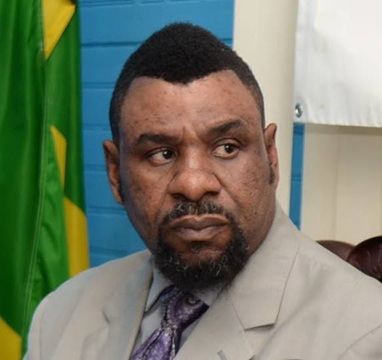 Garnett Reid, president of the Small Business Association of Jamaica.
-
Garnett Reid, president of the Small Business Association of Jamaica.
-
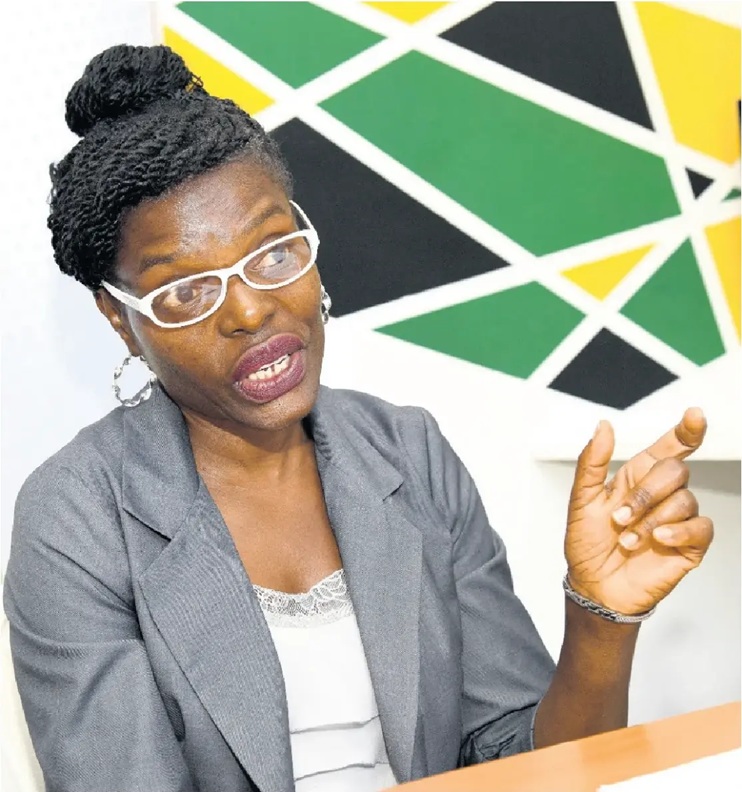 Elaine Duncan, president of the Jamaica Household Workers Union.
While some stakeholders have welcomed the increase in the national minimum wage, which takes effect today, they argue that it will do little to offset the rising cost of living and are calling for a further top-up.
“Inflation is up, prices are up, everything raise. It’s very hard for minimum wage earners to survive, and therefore, we are calling upon the Government to do a further increase where the minimum wage is concerned,” said Small Business Association of Jamaica (SBAJ) President Garnett Reid.
The national minimum wage has been increased by $1,000, moving from $16,000 to $17,000 per 40-hour work week for regular workers and security guards. The Government has touted this raise in the wage floor as a signal of its commitment to the country’s most vulnerable, while urging employers to pay more if they can.
Overtime pay has also been moved from $600 per hour to $637.50 per hour, while the double-time rate is to be increased from $800 per hour to $850 per hour for work done on rest days or public holidays.
POINT TO POINT INFLATION
Jamaica’s point to point inflation as of May 2026 was 5.5 per cent, driven primarily by rising cost of food and non-alcoholic beverages.
Reid, whose association has approximately 800 members, told The Gleaner that while some smaller operators will have challenges implementing this increase, “the majority will agree that an increase really will have to be taking place to help the consumers and the workers of the country”.
“I have spoken with a number of small and medium-sized operators, and they understand, and they are willing to go with it. They understand the pressure their workers are going through, where expenses are concerned, and an increase will stop a gap,” he said.
Further asserting his sympathies with minimum wage earners, the SBAJ president said they were anticipating a $2,500 increase as was initially promised by Prime Minister Dr Andrew Holness during the lead-up to the 2025 general elections.
Holness had pledged to increase the minimum wage from $16,000 to $18,500 in the next budget cycle. He further committed to doubling it to $32,000 “over the next few years”.
However, during his Budget Debate presentation in March this year, Holness pointed to the impact of Hurricane Melissa and increasing energy and shipping costs as factors preventing a $2,500 increase at this time.
“A lot of things have gone up. It’s crazy out there. When you go to the supermarket, I don’t know how people survive. I don’t know how the people of this country survive,” he said.
Meanwhile, Elaine Duncan, president of the Jamaica Household Workers Union (JHWU), which represented more than 8,000 domestic workers, asserted that $17,000 per week is not a livable wage.
“Rent, food, transportation, and light bills have swallowed more than [an extra] $1,000 [weekly] from our pockets this year alone,” she told The Gleaner.
Acknowledging the Government’s plan for further increases in the coming years, Duncan said the focus should shift towards establishing a livable wage, and fully implementing the International Labour Organization Convention No. 189, the Domestic Workers Convention, which outlines a minimum set of standards to promote decent work for domestic workers.
“Move the minimum wage to livable wage so household workers can stand on the floor without falling through,” she said, while expressing gratitude to employers who have consistently been paying above the minimum wage.
She also called on the Government to assist in establishing a permanent home for the JHWU training institute, which she said has been working to upskill many household workers who are then able to negotiate more pay.
In the meantime, Wayne Chen, president of the Jamaica Employers Federation, noted geopolitical tensions which have impacted Jamaica’s energy prices, and asserts that “no employer in Jamaica would want to deny workers an improvement or at least the ability to keep up with the cost of living”.
However, he told The Gleaner that the dilemma facing Jamaica is low productivity growth. He said the country should, therefore, be taking steps to ensure that productivity rises in alignment with each minimum wage increase.
“We have to address the crisis of low skills and low productivity in the economy. And we can keep legislating wage increases, but it is not ultimately sustainable if we are not talking about improving productivity,” he said.
He said the island’s low productivity is impacted by the relatively low-level certified skills in the Jamaican workforce, and outdated management processes that have not kept pace with the opportunities offered by new technology.
“We have to use tripartism. We have to practise social dialogue, really, around a national thrust around education and training, and I don’t make a distinction. We have to impart more skills into our workforce and into an ageing workforce, recognising that many of us will have to stay working longer,” he said.
sashana.small@gleanerjm.com