Disasters, the built environment and emancipation
Loading article...
-
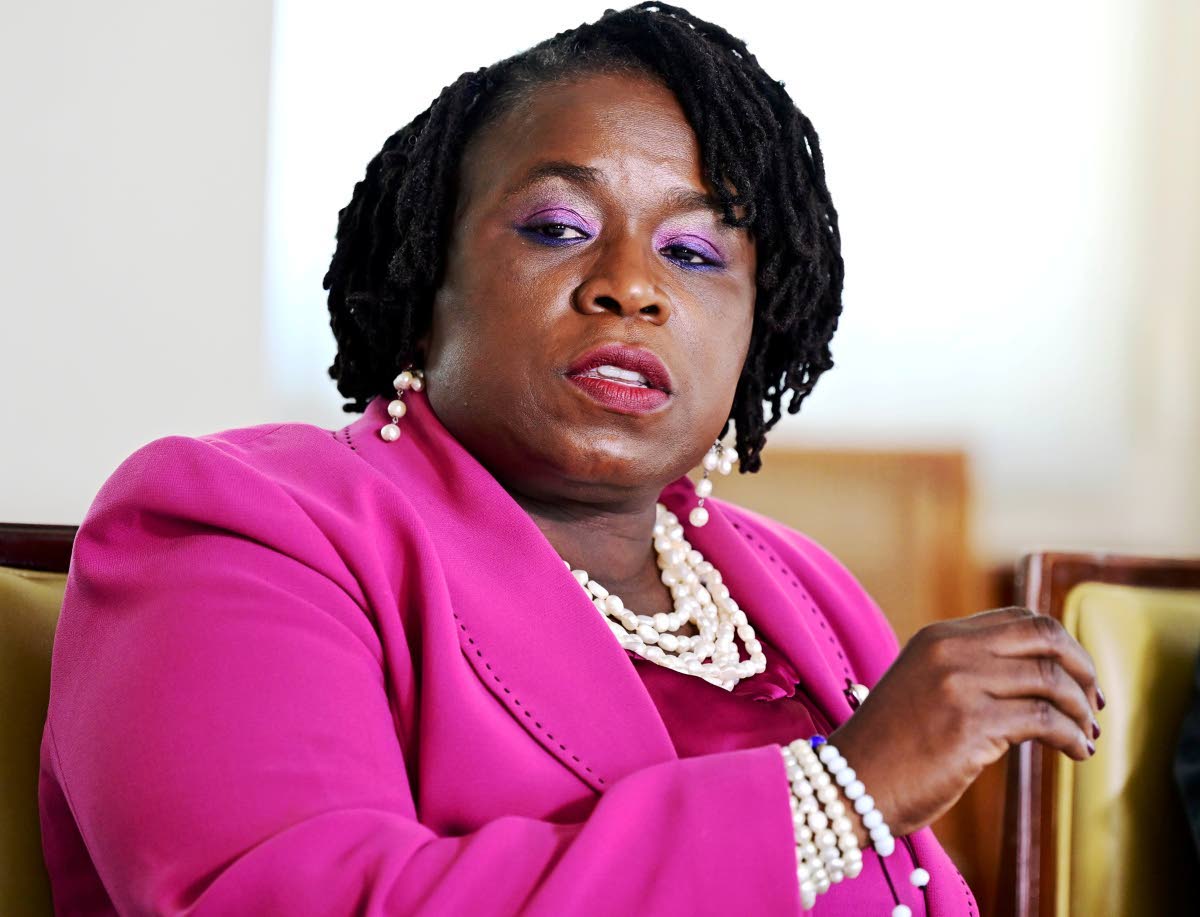 Carol Archer, professor of urban planning and public policy at the University of Technology.
-
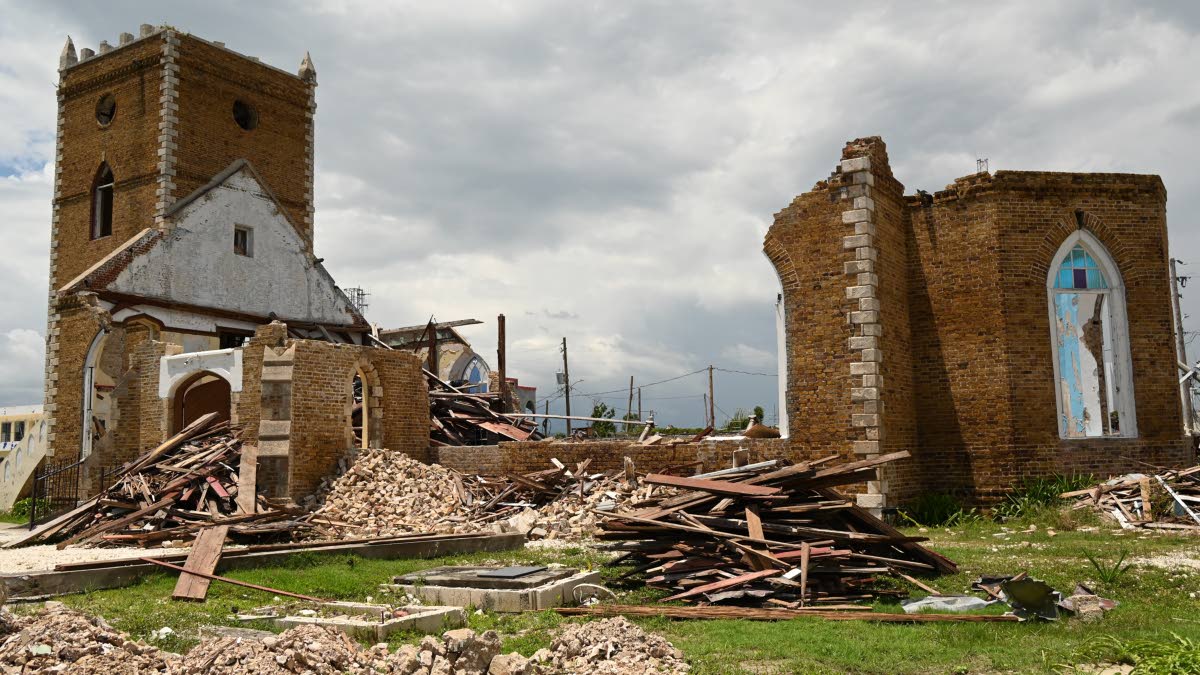 The ruined remains of the St John’s Anglican Church, the St Elizabeth Parish Church on High Street, six months following Hurricane Melissa’s destructive landfall in the parish on October 28, 2025.
This is an excerpt of the lecture presented at the 33rd Churches Emancipation Event held at Webster Memorial Church on July 26.
Jamaica’s journey from emancipation to the present day is a story of resilience, struggle, and the ongoing quest for true freedom. Recent experiences, such as the devastation wrought by Hurricane Melissa, have highlighted the urgent need to reflect on our history, the state of our built environment, and the unfinished business of emancipation – especially as it relates to land ownership, disaster preparedness, and the role of the church and community.
Lessons from Disaster: More Than Natural Hazards
Disasters in Jamaica are not just acts of nature; they are shaped by human choices. The removal of mangroves, poor adherence to building codes, and inadequate urban planning all contribute to the severity of disasters. Hurricane Melissa exposed these vulnerabilities, damaging over 120,000 buildings and severely affecting nearly 280,000 people. The hardest hit were those in marginalised communities, many of whom live in informal settlements without secure land tenure or resilient infrastructure.
The aftermath of Melissa revealed deep structural inequalities – gender, poverty, disability, and lack of coordination among agencies all compounded the suffering. Female-headed households, which make up over half the population and are disproportionately affected by poverty, faced the greatest challenges in recovery. The disaster also underscored the urgent need for psycho-social support, especially for youth, the elderly, and persons with disabilities.
The Built Environment: A Legacy of Adaptation and Neglect
Jamaica’s built environment has always been central to survival. From the Taino and African traditions of building hurricane-resistant homes to the iconic Creole architecture, local knowledge once guided construction. However, modern trends have shifted towards foreign-inspired high-rises and materials ill-suited to our climate. Experts warn that many new buildings do not meet the standards required to withstand major storms, a concern validated by the destruction seen in recent housing schemes.
The lack of proper training for local authorities on new building codes, and the use of substandard materials, further endanger communities. The lesson is clear: resilience requires not just strong buildings, but also strong systems of governance, community engagement, and respect for indigenous and local knowledge.
Emancipation and Land: The Unfinished Business
True emancipation was never just about the abolition of slavery; it was about access to land, security, and the ability to build a future. Yet, land ownership remains elusive for many Jamaicans. After emancipation, freed Africans were denied access to fertile land, forced to settle on marginal plots, and burdened with taxes and legal obstacles. Today, about 40 per cent of land in Jamaica remains unregistered, perpetuating insecurity and vulnerability.
This lack of land ownership fuels informal settlements and exposes citizens to greater risks from disasters and climate change. Addressing this requires systemic reform – equitable access to titled land, sustainable land management, and policies that prioritise the needs of the most vulnerable.
The Church and Community: Pillars of Resilience
Historically, the Church has been a sanctuary and a centre for organising resistance and recovery. Its role in advocating for justice, supporting the poor, and providing relief during disasters remains vital. However, the church must also adapt – embracing technology, strengthening public education on disaster preparedness, and collaborating more closely with local authorities and the state.
Community members are often the first responders in a crisis. Their knowledge of local needs and history is invaluable for effective disaster response. Empowering communities and churches to take a more active role in disaster management will build resilience from the ground up.
Towards a Resilient and Inclusive Jamaica
The path forward demands collaboration between the state, Church, and community. We must reform outdated land laws, design cities that reflect our natural realities, and ensure that all Jamaicans – regardless of status – have the opportunity to build secure, resilient lives. As Nobel Laureate Wangarĩ Maathai observed, a stable society rests on three pillars: democratic space, sustainable resource management, and a culture of peace. Only by strengthening all three can Jamaica achieve true emancipation and resilience.
Let us seize this moment to honour our legacy, learn from our challenges, and work together for a Jamaica that is stronger, safer, and truly free.
Carol Archer, PhD is a professor of urban planning and public policy at UTech and a member of the Stakeholders Advisory Group to UN Habitat Executive Director. Send feedback to editorial@gleanerjm.com