‘That’s not friendship’
Loading article...
-
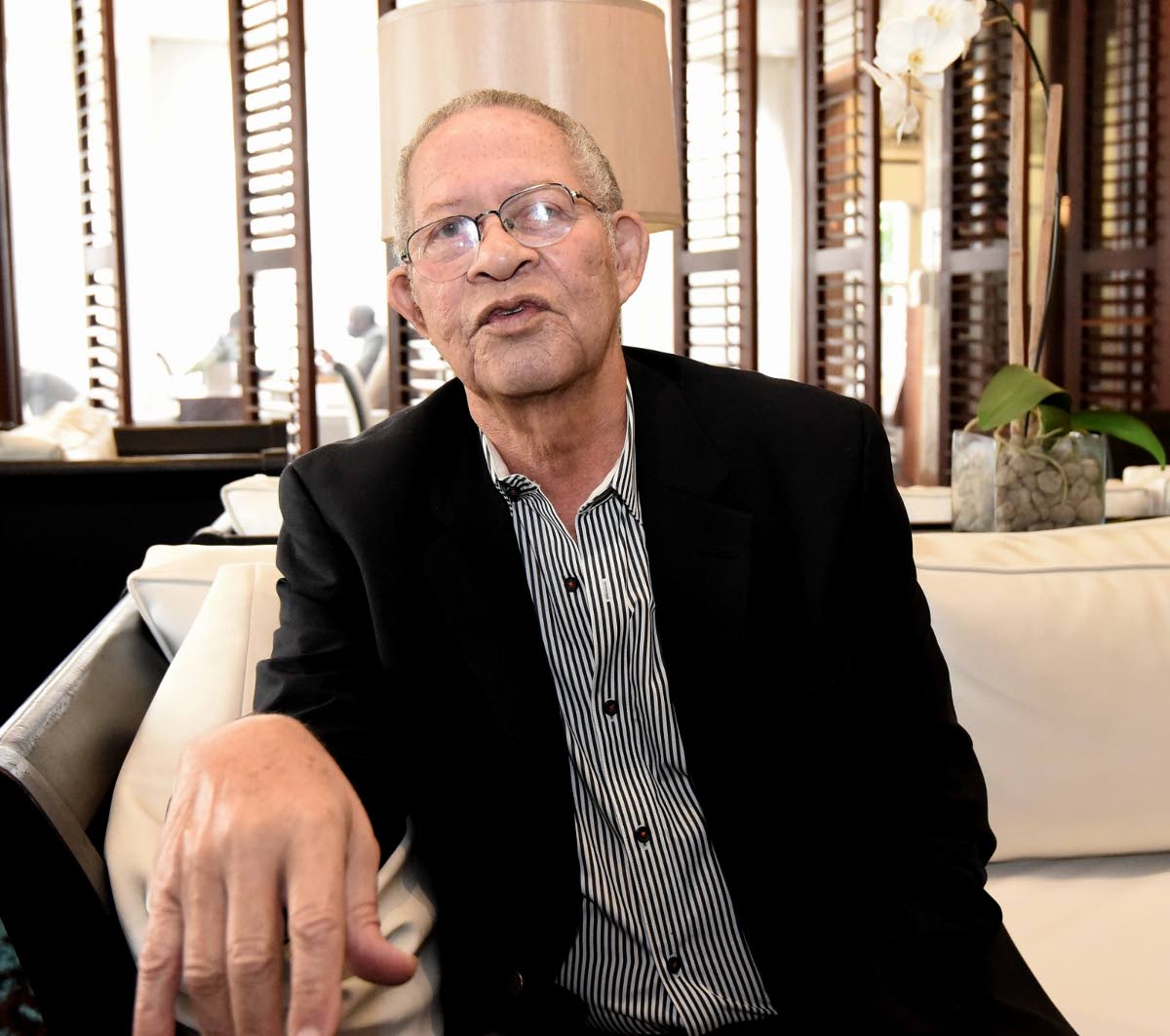 Bruce Golding, former prime minister of Jamaica.
-
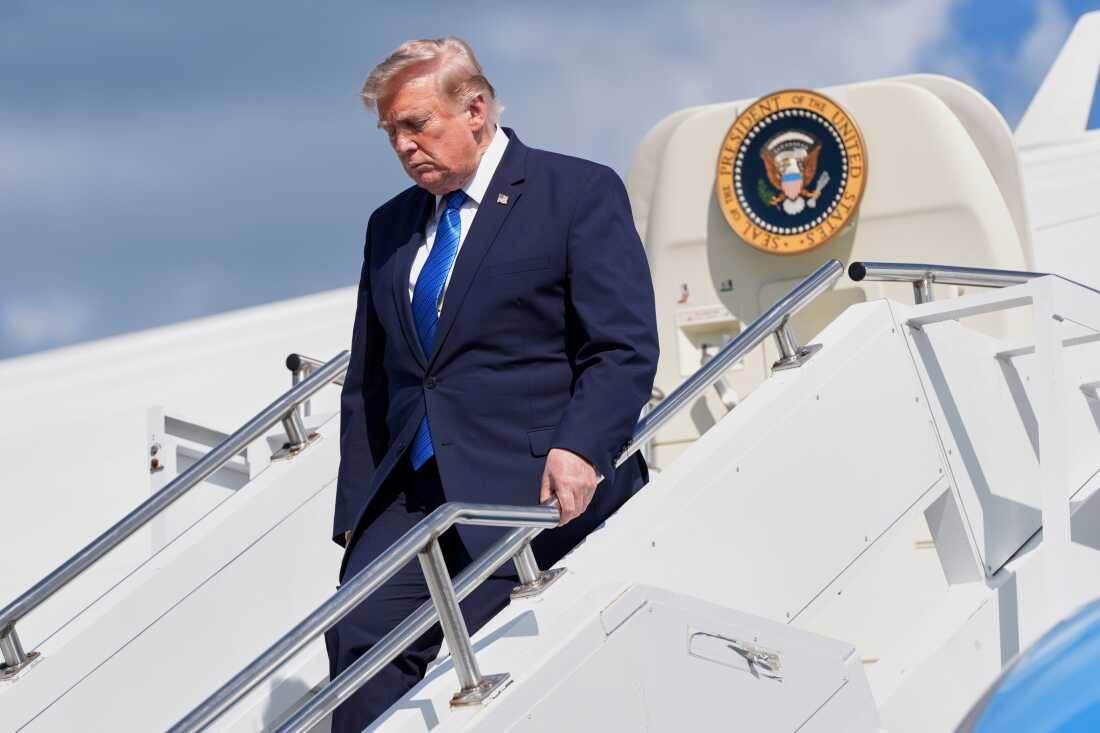 US President Donald Trump.
Former Prime Minister Bruce Golding has renewed his criticism of the United States’ (US) approach to Jamaica and the wider Caribbean, arguing that Washington’s recent demands and policies are putting smaller states under increasing pressure and do not reflect the actions of a true friend.
Golding, who has been warning since earlier this year that Caribbean countries are being forced to navigate an increasingly difficult geopolitical environment, said the region’s response must be measured because of its economic vulnerability.
Addressing the Team Jamaica Bickle 64th Jamaica Independence Gala in Philadelphia, Pennsylvania, on Saturday night, Golding said Jamaica’s close relationship with the US should not be confused with submission.
“What is being done to us is not friendship. Imposing arbitrary tariffs on us when we are struggling to make our goods competitive in a difficult market is not friendship,” Golding declared.
“Dictating to us who we do business with is not friendship. Forcing us to accept foreign deportees when we are struggling to look after our own people is not friendship. True friends don’t abuse your friendship. They don’t make unreasonable demands on you. They should be there to help you out. Holding a gun to your head and insisting that you must be reasonable and do things their way is not friendship. The United States has put us under severe strain. That’s not what friends are. There are many abroad who are angered by what is being done. They wonder why we have not stood up like the Brazilian government.”
Changing global order
Golding said Jamaica’s challenges must be viewed against the backdrop of a changing global order, where smaller countries are increasingly vulnerable to decisions made by larger powers.
“We are an island state, but our borders don’t define our circumstances. How we live, how we govern ourselves, how we progress is determined, to a great extent, by the environment in which we live and how we are able to operate within that environment. That environment has always been challenging, testing our mettle and fortitude,” he said.
He argued that Jamaica has endured major global shifts before, including the Cold War and the transition to a more competitive international trading system, but said the current environment presents a new set of difficulties.
“We had to adapt to globalisation with a set of rules different from what we were accustomed to. The preferential treatment that we enjoyed from the European Union for our exports was banned. Protective tariffs and subsidies that we used to help level the playing field for our local manufacturers and farmers had to come down, so that foreign goods [could] more easily enter our country. We had little say in the design of this new framework,” he said.
Golding said that as Jamaica adjusted to globalisation, the international system itself began changing.
“Established rules were being discarded, New rules were being handed down, not after discussions and negotiations, but by social media posts at 2:30 in the morning when most of us are asleep,” he said.
He indicated that the revival of what he described as the long-discredited Monroe Doctrine, along with the introduction of new tariffs and restrictions, has created uncertainty for Caribbean nations.
Golding said Jamaica’s trade relationship with the US remains heavily weighted in Washington’s favour, noting that the value of Jamaican exports to the country is significantly lower than US imports into Jamaica.
He also criticised the pressure being placed on Jamaica over its relationship with Cuba, arguing that Cuban doctors, nurses and teachers have made significant contributions to the country.
Golding said Jamaica was being pushed to distance itself from Cuba despite the assistance the island has provided over the years, while countries that maintain ties with Havana face the threat of penalties.
Turning to China, Golding defended Jamaica’s partnership with Beijing, pointing to its investments in infrastructure, sugar, ports and alumina.
“They have invested in the country’s road network, which has opened up many areas of the country. Invested in Jamaican sugar factories that were on the verge of closing, and also invested in port and alumina facilities,” he pointed out.
The former prime minister questioned why Jamaica was being told to reject Chinese investment despite the benefits, arguing that the country’s relationship with Beijing was based on economic cooperation rather than political control.
He said Chinese investments in Jamaica total approximately US$2.1 billion, while noting that the figure represents less than four per cent of Jamaica’s debt.
Golding also argued that Chinese investors have demonstrated a willingness to take a longer-term approach, compared with some Western investors.
On the issue of third-country nationals, Golding questioned the practicality of the proposals for Jamaica to accept deportees from other countries, particularly if their stay is expected to be temporary.
On Saturday night, he also defended the cautious approach taken by Caribbean governments in dealing with Washington, saying leaders understand the consequences of confrontation.
“When Caribbean governments adopt a measured, cautious approach to America’s bullying tactics, it is because they understand the pickle they are in. Make a wrong move, defiantly defend the Cuban assistance programmes and our partnership with China, and they pay a price. They understand how careful they have to be when their hand is in the mouth of an angry lion,” he said.
Golding said Caribbean unity has been weakened by the region’s vulnerability.
“Our individual sovereignty and regional leverage are under siege. It is now every man for himself, every country on its own,” he said.
He said while some regional leaders may have to exercise restraint, he will continue to speak out.
“I will continue to voice my concerns as to how America’s dictates affect Jamaica and impair the hopes and aspirations of our people,” he said.
Golding warned that Jamaica cannot afford a direct confrontation with the US because of the economic consequences.
“If our exports to the US were slapped with a 50 per cent tariff, our manufacturing sector would fall apart and thousands of people would lose their jobs. If a US$200 tax was added to airline tickets, the tourism industry would be badly affected. If a 25 per cent tax was imposed on remittances to Jamaica, many families in Jamaica would be affected,” he said.
He said the country must continue to navigate the relationship carefully, but insisted that friendship must be based on mutual respect.
“Tariffs have become the weapon of choice and retribution a foreign policy tool,” he said.
editorial@gleanerjm.com
See related article on Page A6