‘We have decided to give up the farm’
Loading article...
-
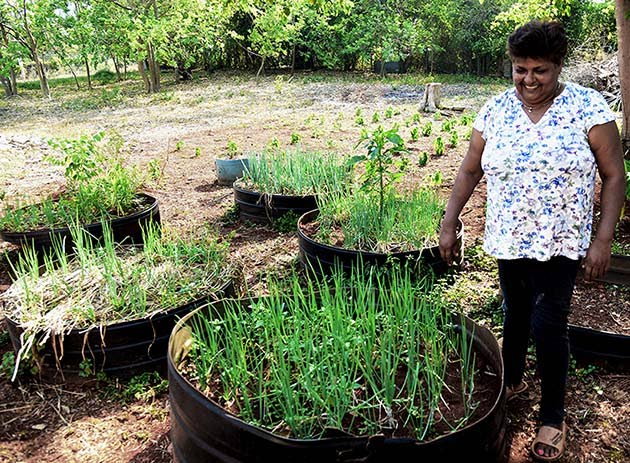 Suzette Levy smiles beside a thriving escallion patch amid drought conditions that have devastated much of her farm in St Catherine.
-
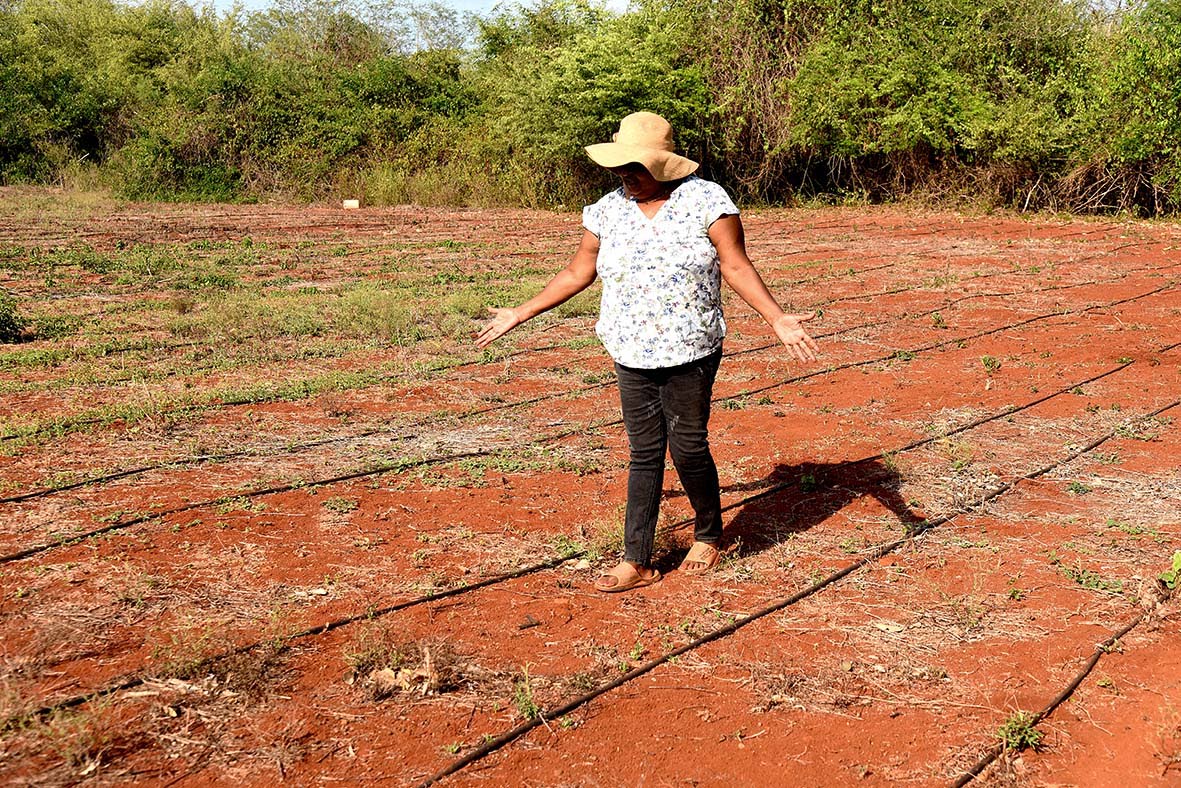 Suzy Levy, co-owner of Levy's Farm in St Catherine, speaks about the impact of the drought on her operation.
-
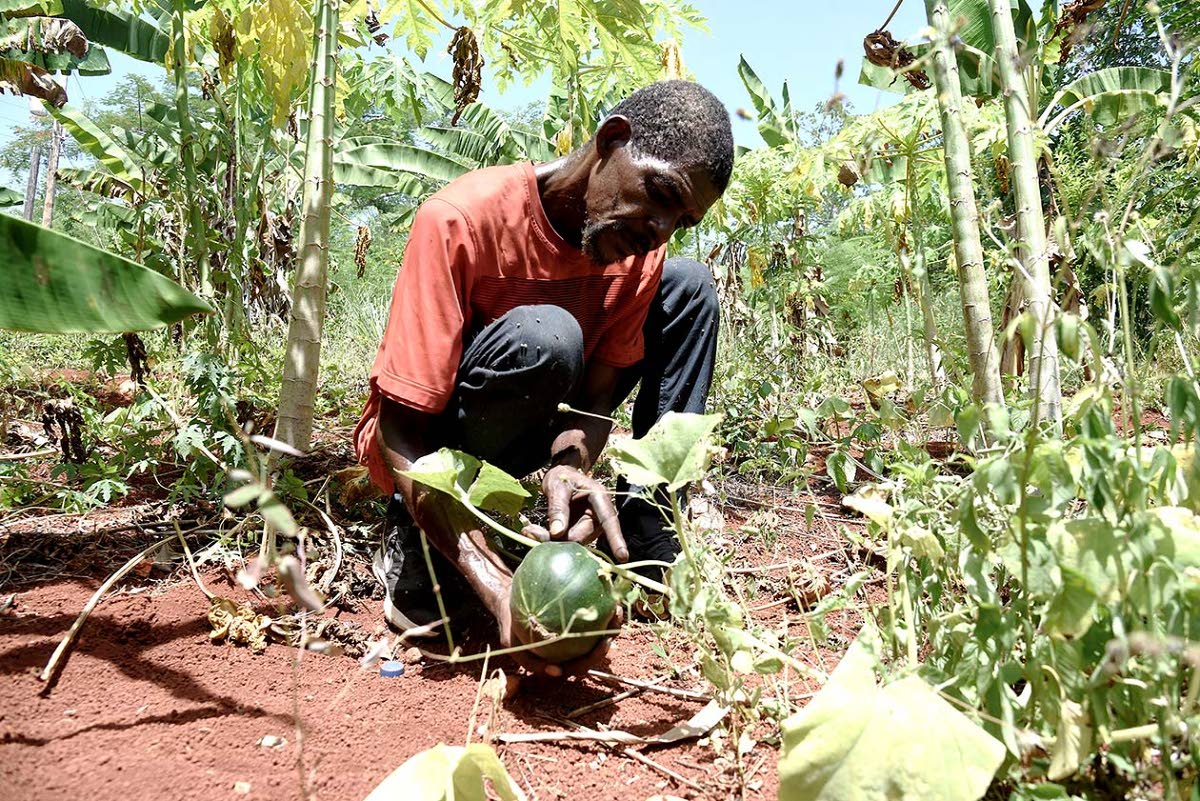 Robert Douglas, farmer from Top Mountain, Kitson Town, St Catherine.
-
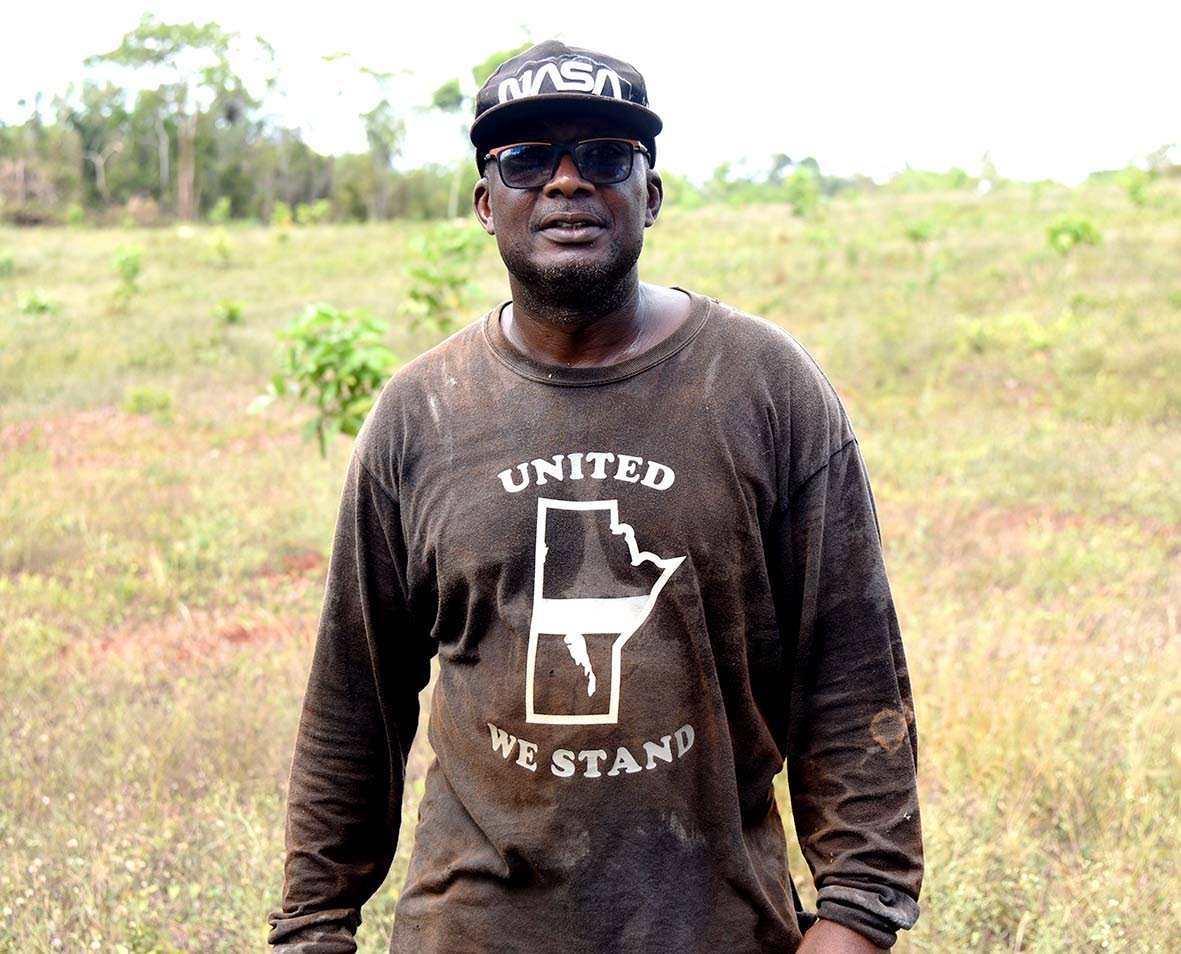 Kevin Smith, a farmer in Dover, St Catherine, says his ackee and pineapple crops have been severely affected by the drought conditions.
-
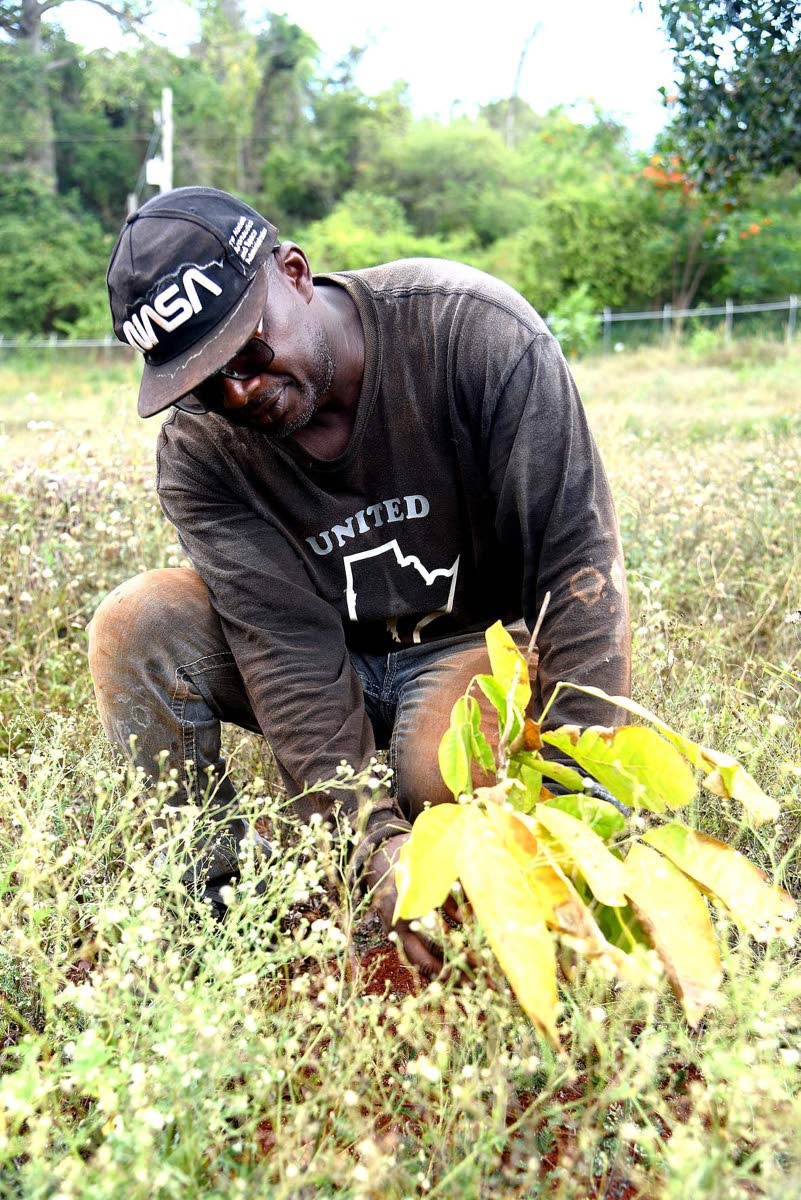 Kevin Smith, a farmer in Dover, St Catherine, examines a drought-affected crop on his farm.
As parts of Jamaica endure meteorological drought conditions and prolonged dry spells that are lowering water-storage levels and disrupting supply systems, small farmers across St Catherine are counting heavy losses and questioning how much longer they can remain in agriculture.
The Rural Agricultural Development Authority (RADA) estimates that drought-related losses have exceeded 1,600 hectares islandwide, amounting to almost $900 million and affecting more than 16,000 farmers.
For Wayne and Suzzette Levy of Belview Heights, St Catherine, however, the crisis is intensely personal. The couple, who operate a pumpkin and watermelon farm behind their home, believe their losses are not reflected in the official figures.
Although they have invested in infrastructure for drip irrigation, the cost of purchasing water has become prohibitive, running into hundreds of thousands of dollars each month.
“We planted over an acre of watermelon to see how it would survive the drought, but they all dried up,” Wayne told The Gleaner.
His wife, Suzette, said their pumpkin crop suffered the same fate.
“The pumpkin we planted went the same way because we just cannot afford the water,” she said.
The Levys constructed a 66,000-gallon water tank on their property but say its capacity is insufficient to sustain the farm through prolonged dry conditions.
“When we water, a third of this water goes in for a week, so within three or four weeks, you don’t have any water, and if we should fill this tank, we would be looking at hundreds of thousands of dollars per month,” Wayne revealed.
After sustaining losses of more than $3 million and facing mounting operating costs, he said farming no longer appears financially viable.
The couple had hoped to establish a greenhouse operation that would require less water but say they have exhausted their financial resources.
They were also critical of what they described as the Government’s inadequate response to the plight of small farmers, arguing that greater support is needed to safeguard Jamaica’s food security.
Wayne said they have now made the painful decision to step away from crop farming.
“We sat down and talked about this, and we came to the decision that it’s best we give up the farm altogether. We have some common fowl, so we plan to raise them for egg production. That’s where we are at right now,” Wayne noted, adding that if help does not come their way, they may have to consider selling out.
ADOPTING TO SURVIVE
Robert Douglas of Top Mountain in Kitson Town said the drought has virtually brought production on his two-acre farm to a standstill.
“I am unable to reap anything to go to market for over six months now, and the things I want to plant I have to decide against it,” he said.
Douglas typically cultivates cabbage, tomatoes, callaloo, okra, cucumbers, yam, bananas, and pumpkin.
“I loss thousands of dollars. I hardly made anything from the crop I planted. The drought slow up the growth of the plants and dry up the vegetables.”
To stay afloat, he has diversified into pig rearing, noting that the cost of trucking water for irrigation has made vegetable farming increasingly uneconomical.
Dover farmer Kevin Smith has shifted his focus to ackee and pineapples, believing that the crops are better suited to dry conditions.
“The ackee is more suited for dry conditions and the pineapple as well. Once you plant the ackee and it get going, you are alright,” he said.
Even so, he acknowledged that the prolonged lack of rainfall continues to affect production.
“It tends to be stubborn or a little stunted because of the lack of water, if I can put it that way, so the rain would be good. Some proper irrigation would be even better,” he continued.
Smith said RADA provided valuable advice when he established his ackee orchard, but he would welcome additional assistance in installing an irrigation system.
He is currently constructing a water-catchment system to reduce his dependence on purchased water.
“I don’t know how much this will help, but the rains just won’t come,” he said.
Having already lost his entire melon and pumpkin crops, Smith said he has no intention of replanting until a reliable irrigation system is in place.
“To supplement the catchment system I am working on, it would have to be trucked water, and this is not cheap. The last time we get any meaningful rainfall was in April,” he disclosed.
With drought conditions persisting and rainfall remaining well below normal in parts of the island, many small farmers say the future of their livelihoods depends not only on the return of the rains but also on greater investment in irrigation infrastructure and targeted support to protect Jamaica’s food security.
ruddy.mathison@gleanerjm.com