Yaakov Raskin | The ancient horn calling us to return
Loading article...
-
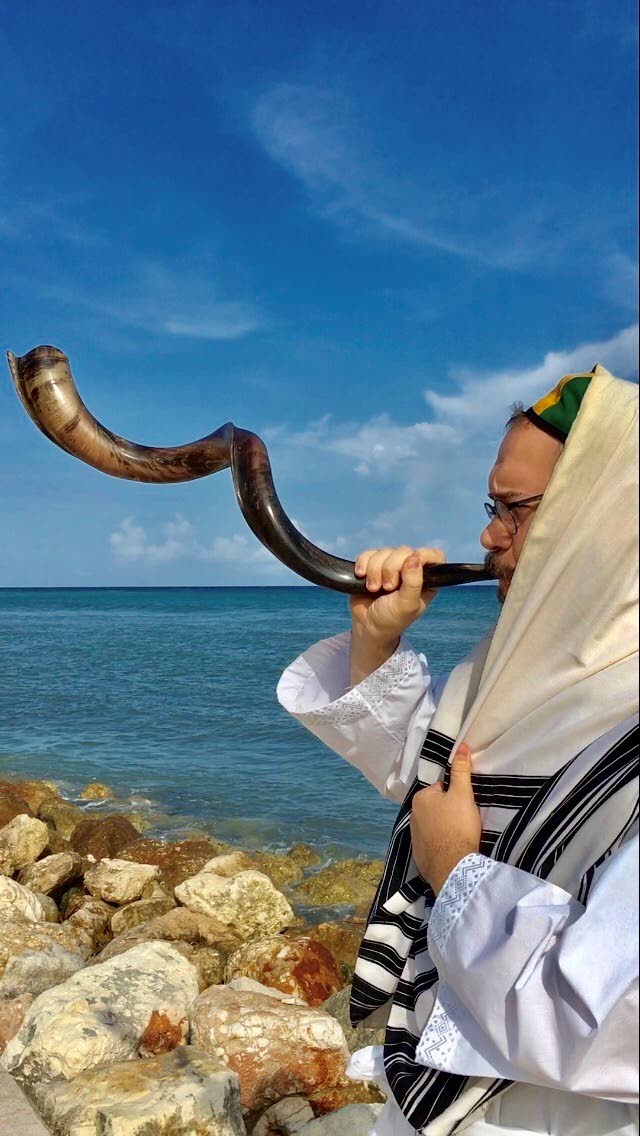 Jamaica’s Rabbi sounds the ram horn, known as the shofar. Photo - @chabadofjamaica
-
Jamaica’s Rabbi sounds the ram horn, known as the shofar. Photo - @chabadofjamaica
-
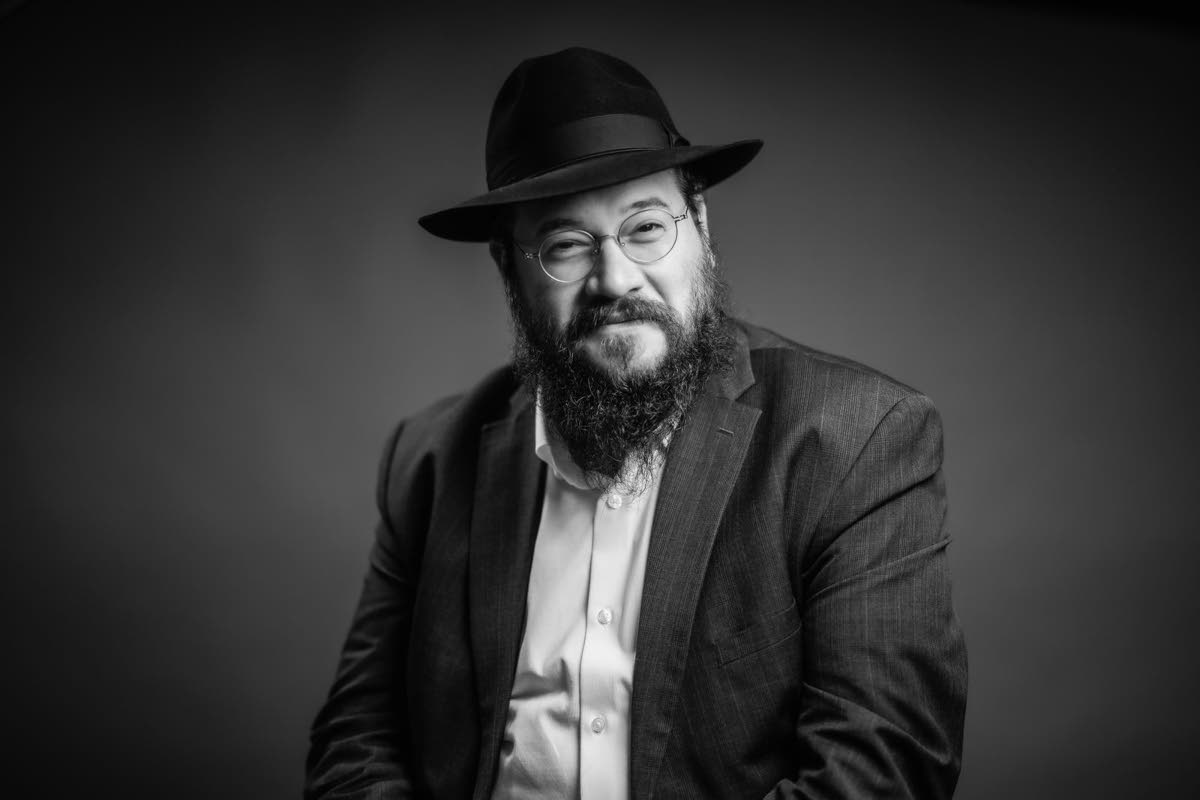 Rabbi Raskin. Photo - Contributed
At the foot of the Blue Mountains is the Charles Town Maroon Museum, which showcases the history and culture of Jamaica’s Maroons. One of the museum’s unique artifacts is the abeng, a hollowed-out cow horn that is blown from the side. Historically, the abeng was used as a way to transmit coded messages which only Maroon communities could understand. Different patterns of notes transmitted various messages across long distances, including calls for communal gathering, announcements that someone had passed, or assembling search parties.
The abeng shares many similarities with the shofar, a hollowed ram’s horn blown by Jews on Rosh Hashannah, the Jewish new year. The shofar’s blasts alternate between long, medium and short sounds, a type of code itself carrying deep emotional and spiritual significance. Used in biblical battle to issue commands, intimidate enemies, and boost morale, today, the shofar’s call is a spiritual alarm calling on us to examine our past year’s deeds and resolve to correct our mistakes in the year ahead.
For 30 days, the shofar’s piercing cry awakens us and reminds us of the primordial scream – the eternal voiceless call of the soul expressing its desire to return to its Creator. There are three distinct shofar calls – the ‘tekiyah’, ‘shevarim’ and ‘teruah’. Tekiah (תְּקִיעָה) is a single long blast, unbroken and steady. It represents the triumphant coronation of God as King and the clear, unwavering call of faith.
The shevarim (שְׁבָרִים) consists of three medium-length, broken blasts. These resemble sounds like a deep sigh or moaning, symbolising a broken heart, sorrow for past mistakes, and human vulnerability. The teruah (תְּרוּעָה) is a series of (at least) nine staccato blasts, likened to a wailing or sobbing cry. It resembles wailing or sobbing, acting as a spiritual alarm clock to jolt the soul into repentance and action
There is a custom to blow the shofar every weekday morning in the Hebrew month of Elul, the four-week period leading up to Rosh Hashanah (September 11-13 this year.) Rabbi Schneur Zalman of Liadi, the founder of the Chabad-Lubavitch movement, taught that during Elul (beginning this Wednesday) G-d is closer and more easily accessible than during the rest of the year, using the parable of ‘The King in the Field’.
In an ancient kingdom, the king normally sat in his palace, behind gates and guards. Reaching the king required permission most regular people could never obtain. But once a year the king would leave the palace and walk through the fields where his people were working. There, in the open, anyone could approach him. The farmer with dirt on his hands, the traveller resting by the road, each of them could come near, and the king received them with a warm face.
During this upcoming month, we have G-d’s ear, so to speak. We can ask for our needs to be met and for our problems to be resolved. When Rosh Hashanah arrives, we will be ready to ask the Almighty to grant us a year of peace, prosperity and blessing. This is a time of profound opportunity for Teshuva. Commonly translated as “repentance”, teshuva literally means “return.”
Teshuva is the soul’s capacity to return to its original state, to its pristine core. As we pass through life, we make errors and misjudgements, which leave us in a spiritually dinged-up state. However, our innermost self, the essence of our soul which is a part of G-d, remains untouched. Teshuva is the G‑d-given ability to reconnect with G-d, make amends for past wrongs, and return to a path of righteousness.
Just like a computer that is filled with viruses, malware and other issues, all we need to do is reboot the hard drive or do a factory reset.
For anyone who has not heard the shofar’s call, it is a piercing cry which touches our core. The chassidic masters teach us that the cry of the shofar is akin to the wail of a child yearning to be reunited with a beloved parent. There are no words to express a longing that is so deep, so primal and so true.
So, this is what I would leave with you, whoever you are and whatever your tradition. Somewhere a horn is being sounded for you. It may not reach your ears as a literal note in the hills. It may come as a pang of conscience, or as a neighbour’s need that arrives at your door at an inconvenient hour. The call is asking you to turn and come a little closer to the good you already know. Once you have heard it, do not keep it to yourself. Blow it again for the next person down the valley.
The King is in the field, closer than the palace ever let Him be. Answer the horn, and help someone else hear it too.