‘They can treat us better’ - Cancer stigma alleged at CRH as patients cry for better care; WRHA rejects claims
Loading article...
-
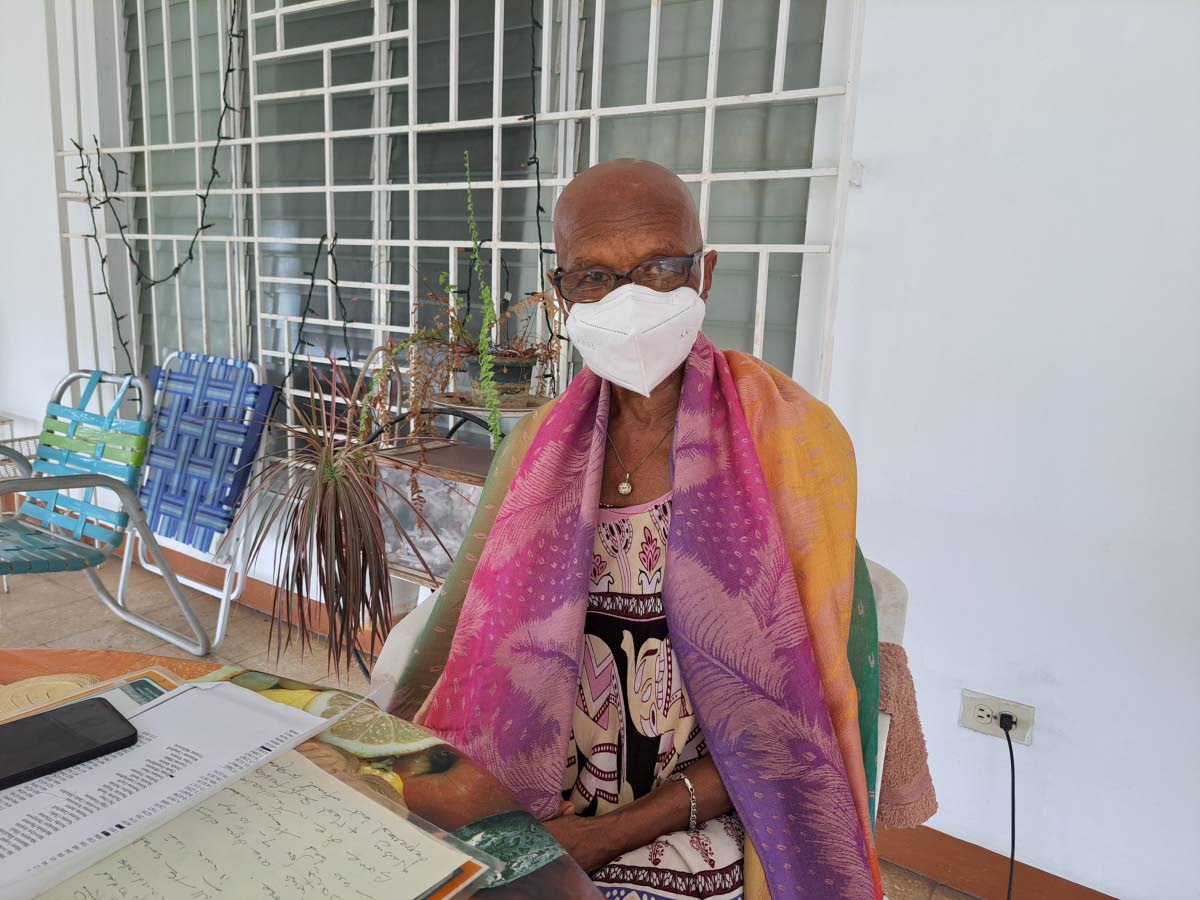 Llauna Humphries, the coordinator of the Montego Bay Cancer Support Group, a retired nurse and a former cancer patient.
-
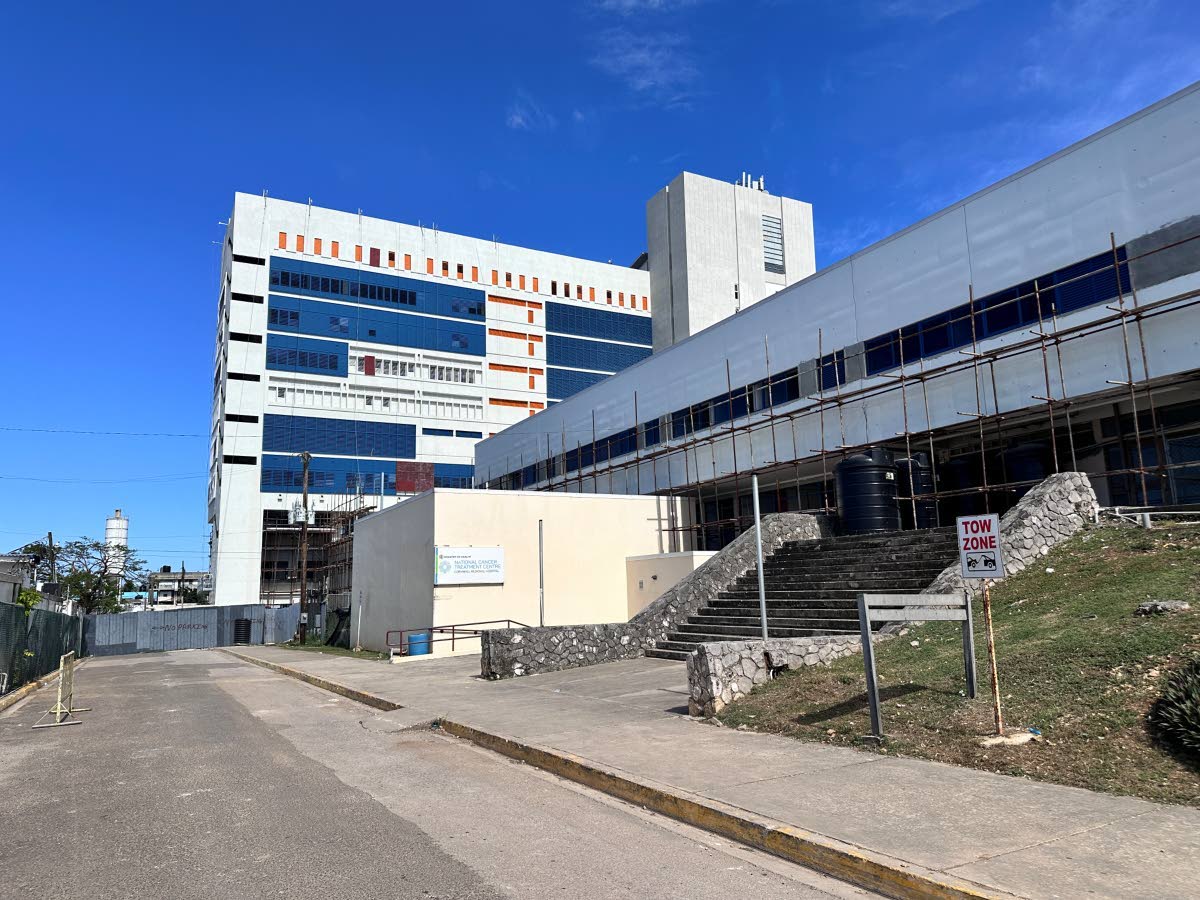 The Cornwall Regional Hospital in Montego Bay, St James.
WESTERN BUREAU:
The Montego Bay Cancer Support Group (MBCSG) is sounding the alarm over what it says is a disturbing pattern of cancer patients being dismissed, delayed and treated with little compassion at Cornwall Regional Hospital (CRH) because of the stigma surrounding their illness.
The advocacy group says patients have been turned away from emergency care, left waiting for hours or even days despite life-threatening conditions, and subjected to dismissive attitudes from some medical staff.
“For the last year and a half, increasingly, we have persons who need to be treated but are not getting the treatment they should get, and cancer patients especially are either being turned away or are told that they are not emergency cases,” MBCSG coordinator Llauna Humphries told The Sunday Gleaner. “If they are screened, they have to wait days, even if they have blood clots in their chests.”
Humphries recounted confronting a doctor after a critically ill patient was allegedly refused urgent care.
“A week ago, a patient I sent up there was bleeding and had blood pressure of 80 over 32, so that was nearly a dead person. When I spoke to the doctor, her answer to me was, ‘I am not here to treat cancer people, I am a specialist’, and I said to her, ‘This person is bleeding and needs oxygen and an IV, so you are going to take care of him because I don’t want to report you tomorrow morning’,” she told The Sunday Gleaner.
Nurses ignoring pleas
Families and survivors have also shared accounts of doctors refusing to assess patients, nurses ignoring pleas for help during chemotherapy, and a healthcare system they say often treats a cancer diagnosis as a reason to deprioritise care rather than respond with urgency.
June*, whose mother is a cancer patient at the CRH’s oncology clinic, described a dismissive attitude that she said a doctor displayed when she took her to the hospital for emergency care on August 3.
“That day was not her appointed date for chemotherapy treatment, but I thought I could have gone in to speak with a doctor to see what could be done to get rid of the fluid that my mother was retaining. We went up there about 9 a.m. and, after registering and listening for our names, we were there for quite some time with nobody assisting us,” said June.
She explained that, eventually, she got to speak with a doctor and informed him that her mom’s next clinic date was going to fall on Independence Day.
“Don’t you think it is unfair for us to see you, knowing you’re on the oncology clinic, and all these people are here that you come here and see? If you can sit down for six to eight hours, we might be able to see you, but we can’t give you a guarantee” she recalled him saying.
“He never wanted to look at her, and he was very dismissive,” June said.
Lack of attentiveness
and care
For Mary*, an eight-year breast cancer survivor, the reported lack of attentiveness and care occurred when she went to do chemotherapy at the CRH in 2018. In her case, she said, the source of her discomfort was a nurse who did not properly prepare her for treatment.
“When I was going to do my chemotherapy, when they tried to find the vein, they stuck me so many times with the needle. My hand was burning and I said to the nurse that my hand was burning me because the needle was supposed to go into the vein and not into my body, and she sat there on her phone and never paid me any mind until I shouted, ‘Nurse, the thing is burning me!’,” said Mary.
“It mashed up my left hand, and I cannot do anything with my left hand. It is as if, when you say ‘cancer’, they feel that you are going to die, but I am surviving eight years now. But they can treat us better,” she told The Sunday Gleaner.
The allegations fly in the face of the Ministry of Health’s Compassionate Care Programme, introduced in 2018 to promote patient-centred healthcare and add to longstanding concerns about overcrowding and chronic pressures at Cornwall Regional Hospital’s Accident and Emergency Department.
However, Western Regional Health Authority Clinical Coordinator Dr Delroy Fray firmly rejected claims of discrimination, insisting cancer patients receive quality care.
“Look here, it is not true because, when it comes on to cancer care, I have had some reviews about the radiation oncology department and the broader oncology department, about how the people that work there care for those patients,” he told The Sunday Gleaner. “If any person has experienced mistreatment, give them my number and let them call me and I will address it, because I do not tolerate nonsense like that.
“For our radiology department, 99 per cent of patients said the reception and the care they got there was good, so there is no truth in those reports of discrimination,” he added.
While acknowledging that some persons may get timely treatment at the CRH, Humphries said that this does not lessen the need for changes to be made in the hospital’s service delivery and the quality of its A&E Department.
“Something has to be done with the A&E because you can hardly walk between the spaces there to take care of a patient, and the odour is terrible, doctors and nurses are distressed, and patients are dying there daily. Those who get through, it is [because] they get to deal with somebody who has a heart,” said Humphries.
christopher.thomas@gleanerjm.com