Yaakov Raskin | Five tips for a successful school year
Loading article...
-
 Rabbi Raskin
-
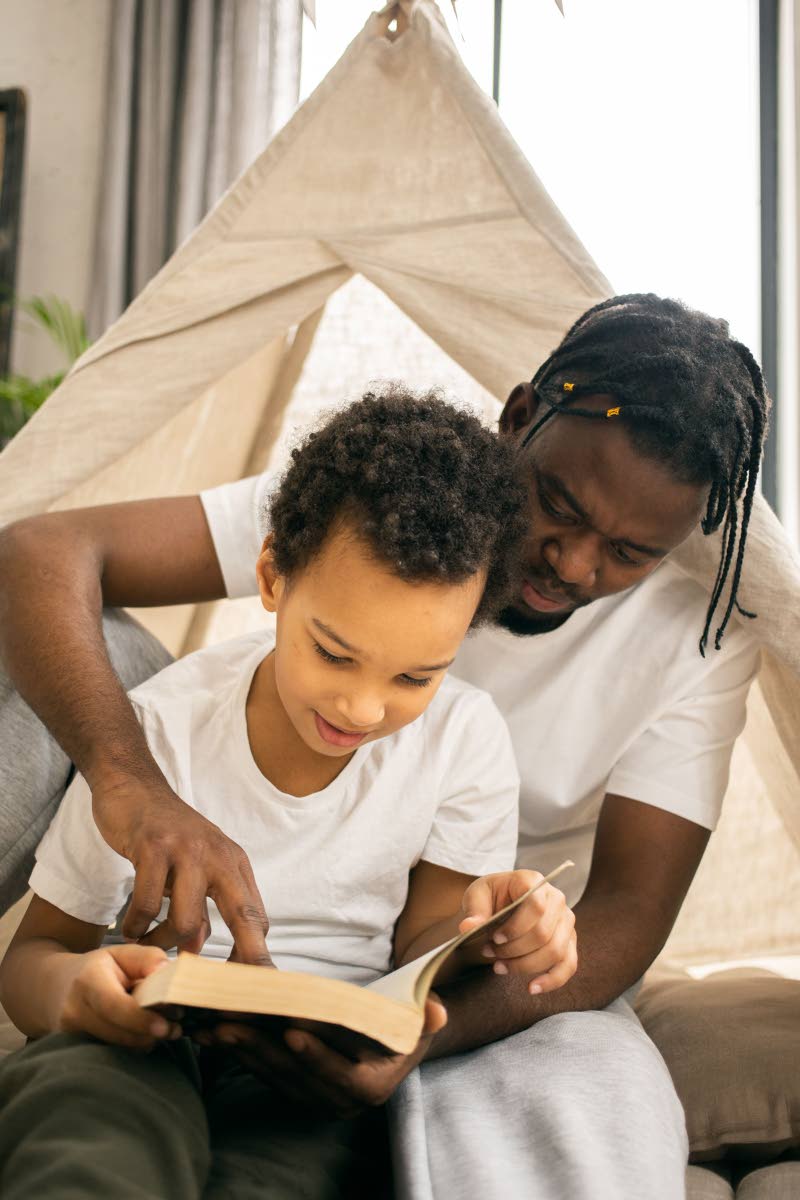
As parents in Jamaica prepare for the new school year, many want to give their kids a leg up. The purpose of education is more than just about academic success or career readiness, it’s about developing our children’s character traits, instilling good values, and helping them develop into kind, upstanding human beings. Below, I have shared some tips and guidance from Jewish tradition – drawn from teachings of the Lubavitcher Rebbe, Rabbi Menachem M. Schneerson – to help us prepare our children not just academically, but also socially, spiritually and emotionally for the new school year.
Tip 1 — Set the tone early, for gratitude
Jewish tradition teaches that the way we start something sets the tone for its entirety. Jews start the day with a mindfulness practice called “Modeh Ani”. As soon as we wake up, even before we saying good morning to our spouse, we thank G-d for the gift of a new day. This ensures that our entire day is filled with the spirit of gratitude, thankfulness and joy. This concept applies to school as well. As the new school year commences, and children are open to new ideas and routines, institute a gratitude practice that you can do with them. Those who feel grateful for the gift of life and the opportunity of each new day will naturally have a positive attitude and a sense of optimism. This outlook will make it so much easier to learn, grow, and take each day in stride.
Tip 2 — Educate your child “according to his way”
Every child has a unique way of seeing and interpreting the world around him. The book of Proverbs proclaimed, “ Teach a child according to his way, and when he is old, he will not depart from it.” In modern parlance, we say that we should tailor the lesson to the child’s learning style. As parents, when teaching our children a lesson, be it the importance of telling the truth, not stealing, or respecting our elders, one may respond better with a story, while another may learn better by journalling, or a third through song. It’s our responsibility to understand our children’s unique learning styles so they can receive the lessons in the best way possible.
Tip 3 — Personal example is the best teacher
One of the greatest traits children have is the ability to tell if someone is real or not. If a parent tells their child to never lie, yet they themselves aren’t always truthful, the child can perceive that and will copy this behaviour. A child who hears about patience while routinely experiencing an impatient adult will grow to become impatient as well. The antidote to this is to make sure we are setting a positive example for our children. When we ask something from our children, such as to sit straight, clean up after themselves, or not talk when eating, we need to make sure we practise what we preach.
Tip 4 — Correct the act without losing sight of the soul
The Torah commands us to educate our children (Deuteronomy 11:18-19) and also to rebuke them when they’ve done wrong. Yet, we should do this in a compassionate way that acknowledges the divine good within them. We come from the assumption that the child’s essence is good, and that just the behaviour is what needs to change, the child is more able to receive the criticism. If we admonish our children with the spirit of kindness and respect, saying “This action is below who you are,” rather than, “This action tells me that you are worthless,” it’s a win-win. The lesson lands more effectively while preserving the child’s dignity.
Tip 5 — Harness the power of joy
The environment in which a lesson is taught is just as important as the content. The Psalms teach: “ Serve the Lord with gladness: come before his presence with singing.” The emotional “weather” in which learning takes place — adult enthusiasm, warmth, song, celebration, and the pleasure of a child’s accomplishment — helps determine whether a child experiences education primarily as an imposed burden or as something worth making one’s own. While not every lesson needs to be fun or entertaining all of the time, the power of joy as an educational tool is vastly underappreciated.
Bonus Tip — Educate until the “flame rises on its own”
The Rebbe once advised a teacher having trouble with his class to get students personally and actively involved in their lessons, to make them partners who assume responsibility. He used the metaphor of the menorah to explain the purpose of education. The flame is held to the wick until it burns on its own. To do this effectively, we must give the children a sense of ownership. One way to do this is to identify one task you currently ‘own’ that a child can begin owning. It can be reviewing lessons together, organising a charity project, checking assignment lists, or mentoring a younger student. You know you’re doing it right when the child begins doing it on their own without your prompting.
Conclusion:
Education is a lifelong process and the tips above are means as a starting point. More important than any single tip or strategy is the fundamental framework. Education is not something for parents to simply outsource to teachers or books, rather it’s our core parental responsibility. When we take ownership over our role as our children’s educators and mentors, they will in turn recognise the importance of their own education and become “owners” over it.
It is my sincere wish that these tips will be of assistance. Please be in touch if you’d have questions of tips that have worked for you that you’d like to share. Have a great rest of the summer and an easy start to the new school year!
Since 2014, Rabbi Yaakov Raskin has directed Chabad of Jamaica in Montego Bay with his wife Mushkee. For more information, reach out at rabbi@jewishjamaica.org