Earth Today | Parched - New research links climate change to drier wet seasons, worse droughts
Loading article...
-
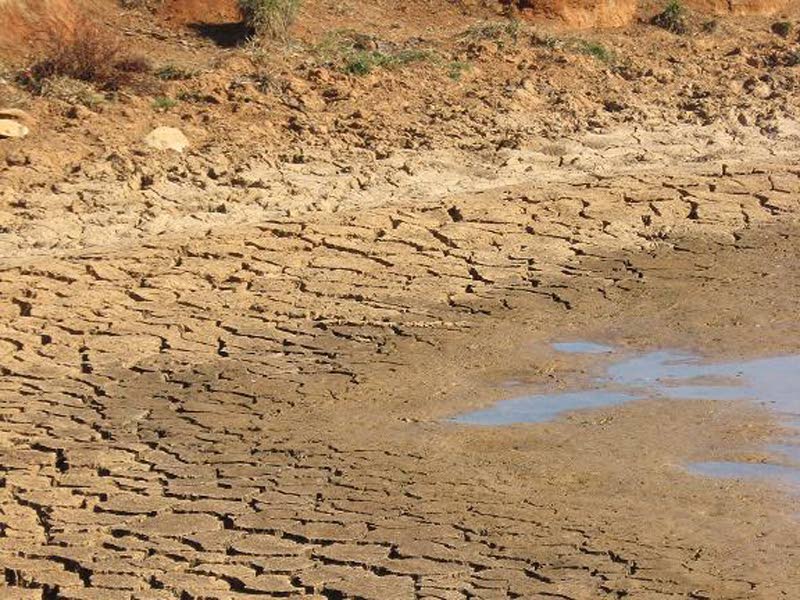 Both countries, as well as the wider US Caribbean, have experienced widespread drying this year.
-
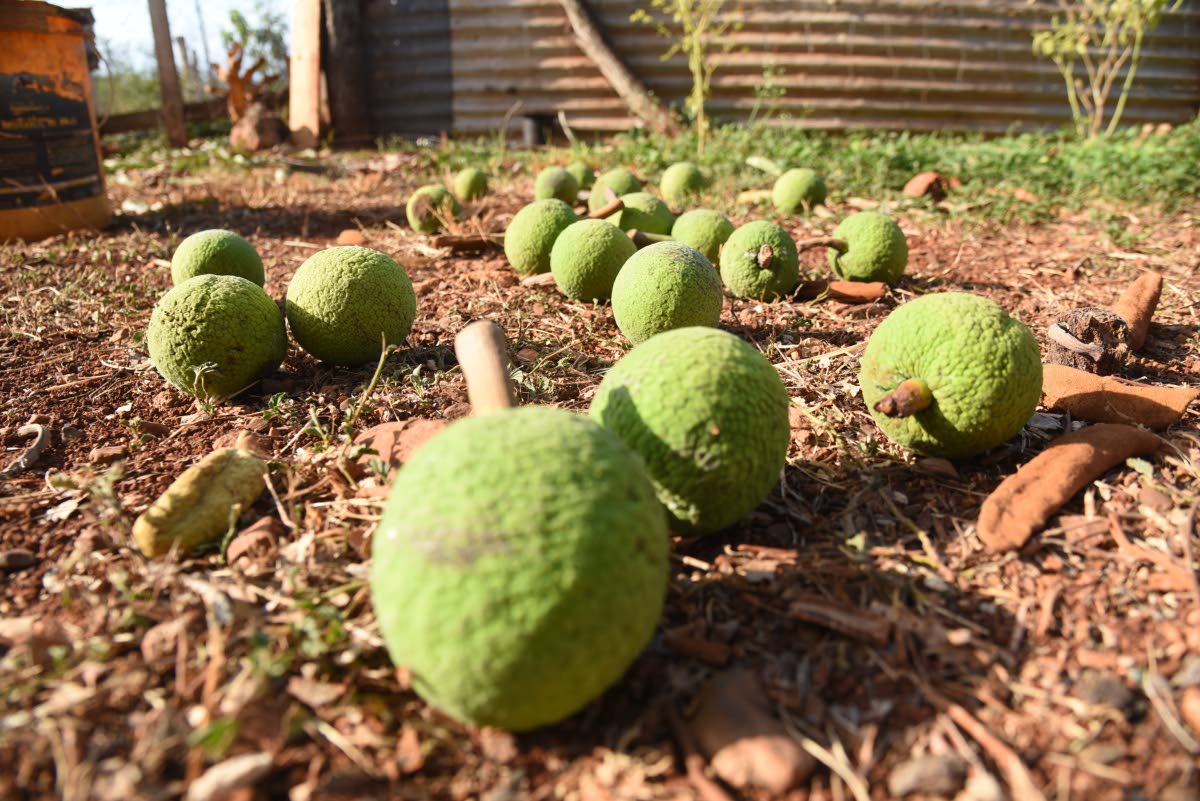 Droughts have wide-ranging impacts on agriculture, including increasing crop stress, reduced yields, and reduced pasture and forage availability for livestock.
THE SCIENTIFIC results are in and it is confirmed that human-induced climate change is making some places, including Jamaica and Puerto Rico, drier and more likely to experience serious droughts.
The research, whose authors include Professor Michael Taylor and Professor Tannecia Stephenson, both of The University of the West Indies, Mona, combined observational data sets with climate models to assess the role of human-induced climate change in the observed drying of 2026.
“ In all cases, the climate models do show a small, but consistent, drying. For Jamaica, combining models and observations shows a decrease in rainfall of about six per cent due to human-induced climate change. An event with similar low effective precipitation as observed in 2026 is now 40 per cent more likely compared to a 1.4 degrees Celsius cooler climate,” the study revealed.
“ For Puerto Rico, the picture is very similar, with a decrease in rainfall of about nine per cent and an effective precipitation event that is now about 30 per cent more likely than in a pre-industrial climate,” it added.
Both countries, as well as the wider US Caribbean, have experienced widespread drying this year. Dry conditions reportedly persisted throughout May, June and July, with the region “ experiencing near-record high temperatures alongside low rainfall, leading to critically low streamflow in rivers, and depleting water availability due to declining water levels in reservoirs and wells”.
Speaking last week, following the release of the study, Taylor encouraged urgent and scaled-up preparedness for the drier conditions, fuelled not only by climate change but also by the current El Niño event, which increases the risk for disrupted normal rainfall patterns and intensifies heat. Among other things, he has urged consideration for vulnerable groups, including children who are headed back to school this September.
The study – titled Climate change is reducing early wet season rainfall in Puerto Rico and Jamaica – also signalled the need for proper planning when it comes to droughts.
“Caribbean vulnerability to drought results from the convergence of several compounding factors. Small island territories are naturally limited in freshwater resources and storage, increasing their vulnerability to droughts. These environmental challenges are intensified by human and tourism demands, which vary with tourism seasons, urban growth, and agricultural needs,” it explained.
“Outdated water infrastructure, especially vulnerable drinking water systems with high leakages, worsen shortages during droughts. Droughts have wide-ranging impacts on agriculture, including increasing crop stress, reduced yields, and reduced pasture and forage availability for livestock. Limited land on small islands means that farmers have few alternative options and often resort to expensive imported feed or selling livestock to cope. This can also contribute to food insecurity on islands that already have very high food costs,” the study added.
pwr.gleaner@gmail.com