Sean Major-Campbell | Pray too for a functioning Caribbean
Loading article...
-
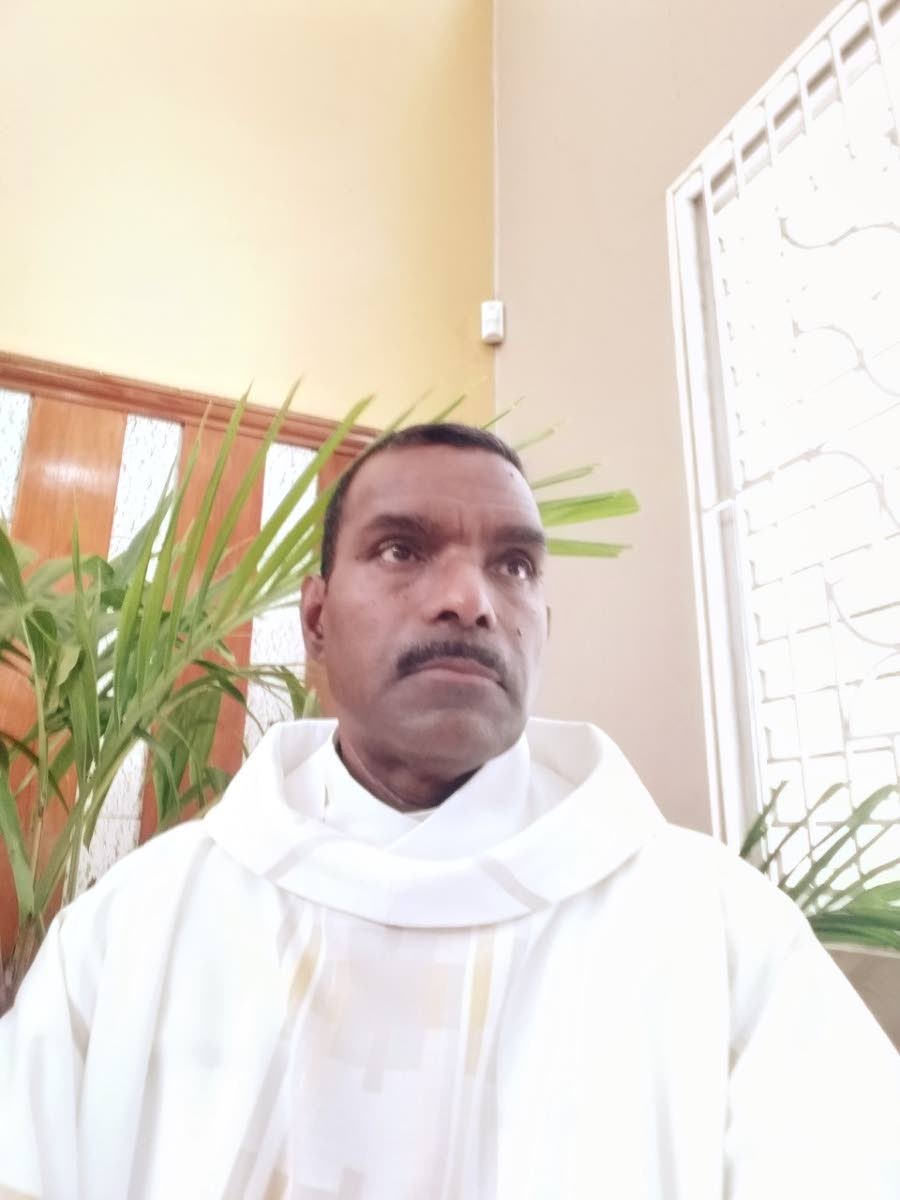 Fr Sean Major-Campbell
-
 Racial and class hierarchies were ensured as the British bequeathed a divided society characterised by racialised politics to the present day.
-
 The agents of the holocaust of slavery owe us a great deal of repair in this great exodus of becoming.
Last week’s column titled Cries from the ocean floor called attention to the Transatlantic reasonings conference to be held in Montego Bay, Jamaica, later this year. Little did I know that we would hear some interesting reasoning from Prime Minister of Trinidad and Tobago, Kamla Persad-Bissessar who, in her Independence Day message, opined that, “The British left us a very prosperous, functioning country in 1962.”
Caribbean theology interestingly looks at our territories and prosperity in terms of people’s lives. No doubt the conversation focus may vary depending on the reality of different contexts. However, many from across the Caribbean know only too well that the cruel holocaust of slavery and colonialism’s evils spanning centuries robbed our ancestors and their descendants of their dignity and humanity. They were reduced to mere chattels. And this loss of self and possession by the enslavers (demonic possession) is not healed overnight.
Landlessness, economic inequity, and the abuse of the newly manumitted who still provided labour for the plantations, saw another long period under the effects of white supremacy and racism leading to the time of independence. Many continue to be possessed by mental slavery resulting in a bias for particular shades of skin and texture of hair. Many alive today recall a time when certain places like the banks did not employ you unless you fit the confines to a preferred complexion.
To the present day, many still swear by the absolute necessity for skin bleaching. This is not happening because they are stupid. It happens because of centuries of abuse and condemnation of black bodies. It happens because European Christianity has delivered a white God. It happens because the saints were also whitened. It happens because of white supremacy and segregation and apartheid and beauty contests that had a bar beyond which black beauty could not penetrate.
The Presbyterian pastor, the Rev Ashley Smith, in Real Roots and Potted Plants: Reflections on the Caribbean Church, was bold in stating, “ Organized Christianity has a tendency to be indifferent to national self-determination and oppose meaningful involvement by Christians in national politics.” This prophet sounded the alarm. We as a Caribbean people must now do the work of owning our respect for self and sing redemption song without serving perfunctory calls for forgiveness concerning the centuries of gross cruelties exacted under colonialism.
Ashley Smith also declared, “ Christians must not only reject systems that are inimical to the development of people and the enhancement of the kingdom of God; they are duty bound by virtue of their commitment, to discover and design techniques or programmes for the undermining of whatever is theologically unacceptable. The unacceptable should be replaced by that which promotes the creation of structures facilitating the liberation and healthy development of people rather than encourage those in which the emphasis on economic growth is purely statistical. Economic growth must be sought and planned for, but it should promote the welfare of the whole community.”
Reparatory justice has a place in facilitating the liberation and healthy development of people. The descendants of the formerly enslaved deserve to live in a world where their long-orchestrated oppression is recognised by those who continue to reap economic development secured on the backs and lives of our African ancestors.
historical realities
Africa and India were born in me. My ancestors come from two continents that suffered the onslaught of colonialism and its gruesome quest for wealth at the expense of human lives. Transatlantic reasonings would not cover material to include the Bengal famine. But let it not be forgotten that, in British India during World War II, this man-made catastrophe saw almost three million people suffering and dying in the time of starvation. Was there ever an apology from Winston Churchhill’s war cabinet? Is there a place for reparatory justice?
In her message, Prime Minister Persad-Bissessar also noted, “We must confront our post-independence history with honesty and acknowledge that we should have done much better over the past 64 years, considering the strong foundation left by the British.” There is much wisdom in these words. There is also wisdom in remembering the history and the foundation that saw a journey through plantation slavery at the expense of enslaved Africans, later Indian Indenture, and still later the inclusion of Chinese, Portuguese, Syrian, and Lebanese arrivals. Racial and class hierarchies were ensured as the British bequeathed a divided society characterised by racialised politics to the present day.
The present refuses to be silent about the past which still speaks today. When something as serious as matters electoral and governance issues must be negatively impacted by ethnic demographics, historical realities continue to reverberate such tensions. This is not to excuse what intelligent thinking can change. Instead, it is a recognition that the evils of history continue to bear fruit.
“We have to move forward with conviction and accountability to be able to bequeath to future generations a stronger, safer and more prosperous nation.” I would borrow these words from PM Persad-Bissessar and apply them to the Caribbean. We must move forward with conviction and accountability to be able to bequeath to future generations a stronger, safer and more prosperous Caribbean. Let us move together, work together, pray together and unite in our common cause for human rights and justice for all. Let us unite in calling for reparatory justice.
The agents of the holocaust of slavery owe us a great deal of repair in this great exodus of becoming – this journey of reclaiming identity and self and humanity. We dare not ignore or avoid the truths of history. May we, as Caribbean nations, face this history united as we speak truth to power in the quest for reparatory justice. May we pray and work also for a prosperous and functioning Caribbean family.
Fr Sean Major-Campbell is an Anglican priest and advocate for human rights and dignity. Please send feedback to columns@gleanerjm.com and seanmajorcampbell@gmail.com