Sean Major-Campbell | When politicians lie
Loading article...
-
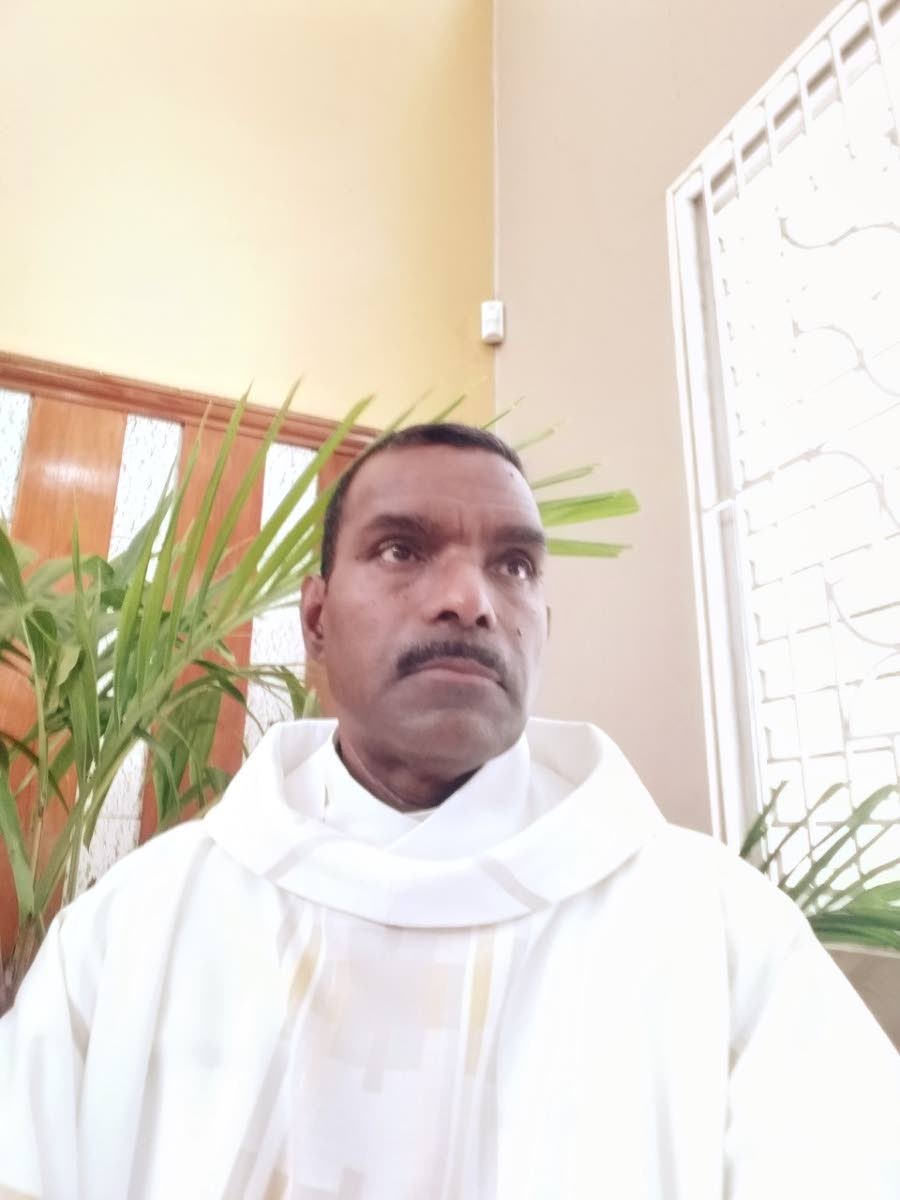 Fr Sean Major-Campbell
-

The Church in Jamaica will have to take clear ethical positions if it is going to be a conscience for the nation in an ever increasingly tribal political climate. Moral clarity cannot be an option. Ethical governance and truth telling will not be negotiable.
We have excellent tools to help us in the process. There are such frameworks and codes to include the Integrity Commission, the Leadership Code of Conduct, and the Political Code of Conduct. There are guidelines and expectations re: the quality of public utterances and ethical campaigning. Maybe members of the public ought to become more familiar with these tools to be more aware of how political actors should conduct themselves in word and action.
When politicians lie with impunity and public servants serve the way of corruption, the Church, through its everyday members, must take a consistent stand and call out the evil. Too often, agents of the Church are relegated to saying a prayer before a function gets to the core of its keynote speakers. They will therefore need to speak for justice and truth in the various spaces where followers of Christ also serve for the good of the nation. To be clear, Christians do not have a monopoly on ethics. However, we live in a country where many Christians need to become more active for justice and truth outside the context of a prayer.
Christians, by virtue of their citizenship in the Kingdom of God, should transcend the confines of tribal politics. Church bodies should not back down from demanding open parliamentary debates on matters of national concern. Above all, those who follow in the way of Christ must, without reservation, advocate for the poor and most vulnerable in society. They should have a sense of urgency about universal human rights while being unapologetic about holding those in political office accountable as the first defenders of human rights and justice for all.
While the pulpit is not the place for partisan alignment, it is to be a place for truth and morality. Social justice issues are at the heart of any worthwhile religious practice. National development benefits from reasoned contributions from those who seek the well-being of all members of our Jamaican society. A narrow partisan perspective is useless. A religious voice that seeks a theocracy would be unhelpful. When the Church fails to speak to accountability, governance, and high ethical standards, it is easily relegated to only being available for prayer.
Prayer is much more than a perfunctory request for political leaders and a progressive country. Prayer involves a prophetic understanding of the issues and a strategic depth of intercessory prayers. Instead of a laundry list being offered to God, an alignment is sought with the divine will for the development of individuals, families, communities, and nations. The image of God is revered in every human being. And we begin to understand that God’s family transcends our various religious walls and fences. Prayers involve the will and action of those with agency. Hence the significance of the adage, “Prayer and work conquer all.” And you do not have to be religious to appreciate the concept of prayer that seeks the good of all.
There must be a difference between a prayerful approach that issues into actions for peace, love, and justice for the family of humanity; and those with prayers which serve the purpose of othering those who do not belong to the prayer group. Whether you are religious, agnostic, or atheist, you have the potential to contribute to the necessary ethos for a more wholesome political climate. Too many people of religious faith are serving partisan dictates above kingdom values.
An interesting truth about God’s kingdom values is that they transcend tribe and creed and political status quo. Everyone can benefit from righteousness and justice, love and compassion, forgiveness and reconciliation, humility and service. Those of religious orientation will include faith in God. This is because God, understood as genesis of life, love, and good, is the source that inspires the value system that serves everyone. In God’s kingdom, peace is for everyone. The brotherhood of humanity supersedes the cult and the tribe. This is the beauty of the Kingdom of God.
Since Jamaicans are familiar with this language arising from religious teaching and practice, it begs the question as to why the various codes of conduct appear to lack necessary potency. These instruments are worthwhile. However, signing without conviction will serve no purpose beyond symbolic appearances. It all goes back to the hearts of people and the core values of political organisations. Who should take responsibility for irresponsible social media material which promotes lies? Is it okay to use AI-generated material to misrepresent one’s opponent? Is it okay to repeat a narrative in the hope that it becomes accepted as truth?
Faithful religious adherents often bring their capacity for faithfulness to their civil politics. It is not unusual to see religious fervour aligning with political engagement. The mix becomes even more interesting when value alignment and world view combine to cement the religious with the political. However, human beings are creatures of groupthink. This often gives way to critical thinking and necessary critique for the health of the group and by extension the nation.
It will take much discipline, but political parties should make time to patiently and respectfully listen to comments and concerns from the other side. The national instruments available to protect integrity, truth, and justice should be affirmed as tools consistent with kingdom values around which we may all unite. When all is said and done, may we still remember the place for transcendent allegiance where Jesus advanced respect for the governing authorities while recognising that all power and majesty be ascribed to God in whose kingdom our loyalty rests. Amen.
Fr. Sean Major-Campbell is an Anglican priest and advocate for human rights and dignity. Please send feedback to columns@gleanerjm.com and seanmajorcampbell@gmail.com