Jason Arday’s story - A tale of two dons - Part 1
Loading article...
-
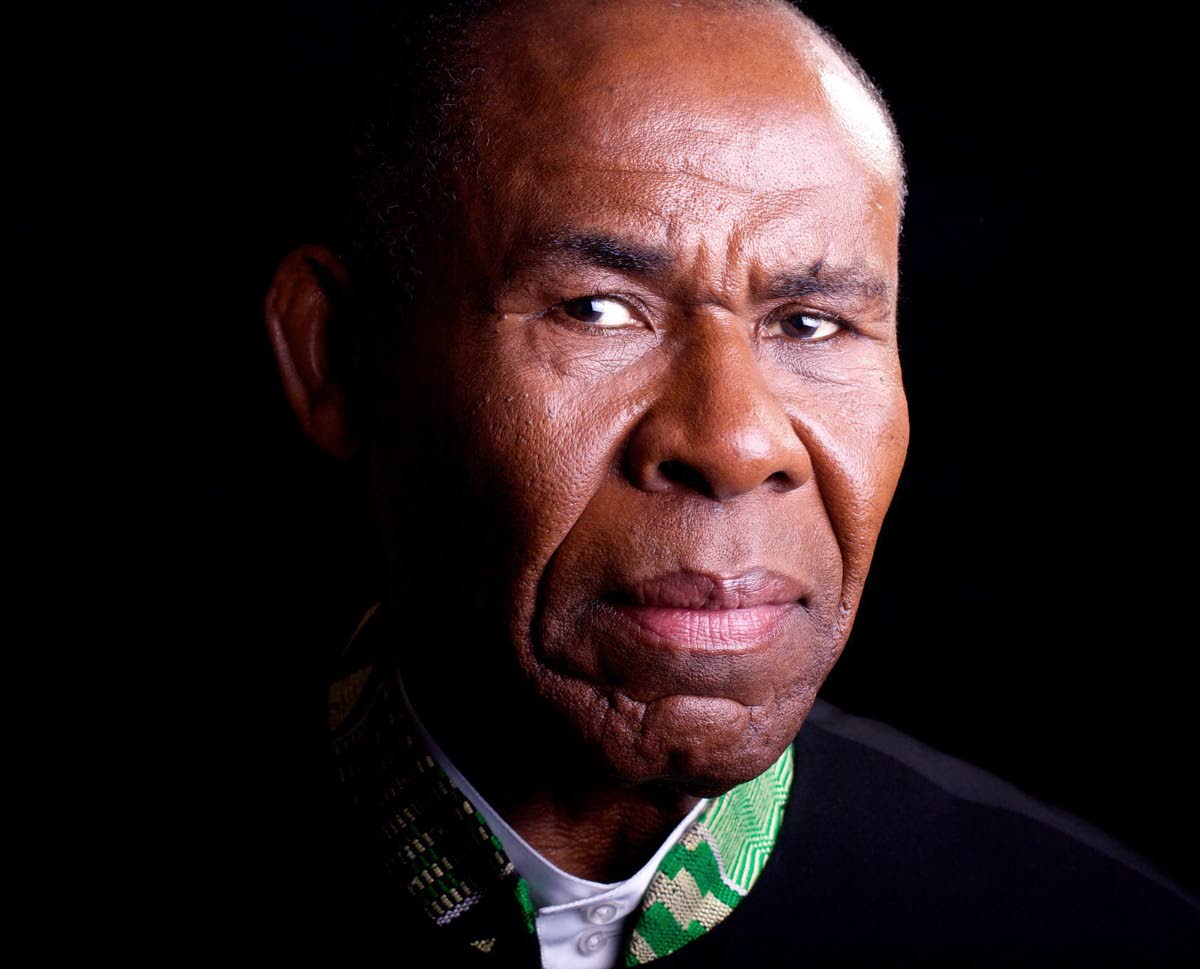 Professor Gus John
-
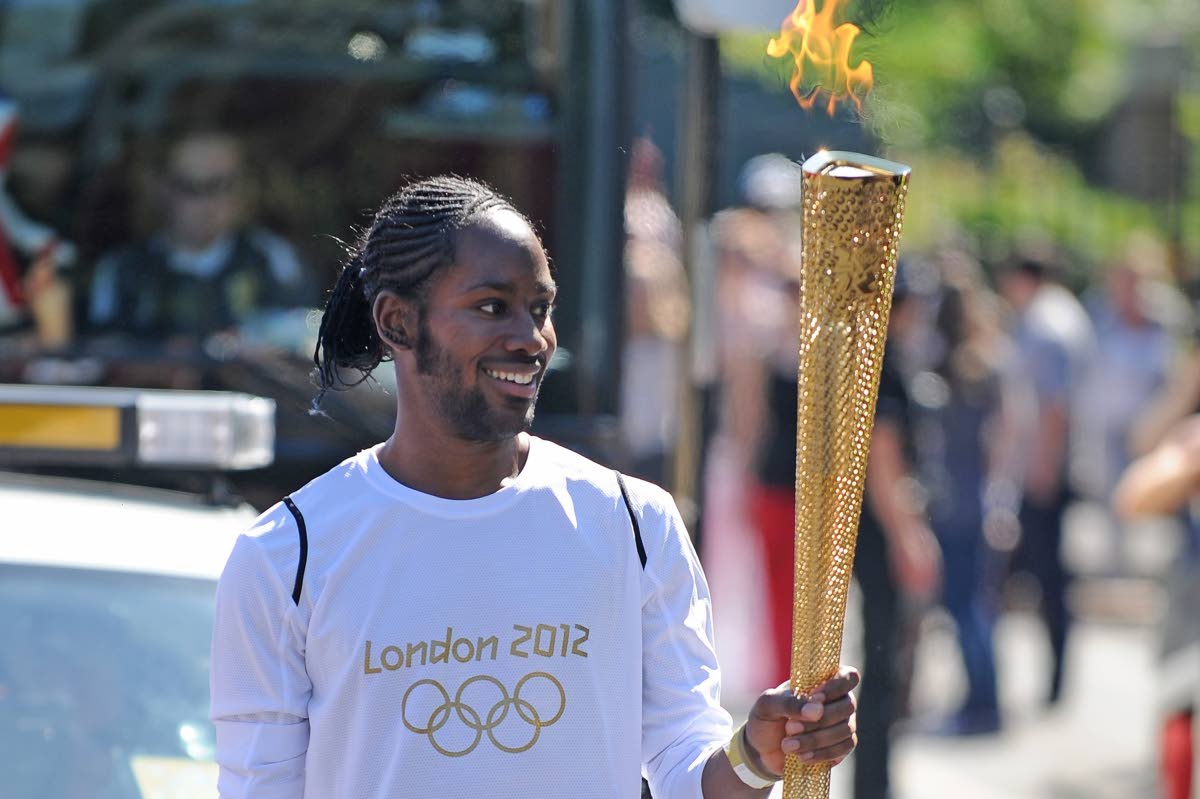 Professor Jason Arday
The story of Professor Jason Arday and his relatively brief engagement with Cambridge University as what it trumpeted as its “youngest Black professor ever” is now well known internationally. It is, of course, a tragic tale, and one that did not end with Arday’s unexpected death on August 14, 2026.
More than 200 articles were written about Arday between the publication of allegations of plagiarism on July 21 and his death. Cambridge’s youngest black professor was put on trial by the media as an alleged plagiarist whose entire body of academic work was considered tainted, and as a fantasist, liar, and fraud. Not only was his academic output scrutinised, but virtually everything he said about his personal achievements was subjected to microscopic examination.
Plagiarism as a form of academic misconduct was not unheard of before Jason Arday was accused of it. So, why did that accusation become such an international story? It all boils down to one thing: Jason Arday was black.
When Cambridge appointed him in 2023, Arday said: “My work focuses primarily on how we can open doors to more people from disadvantaged backgrounds and truly democratise higher education. Hopefully, being in a place like Cambridge will provide me with the leverage to lead that agenda nationally and globally.”
Whatever Cambridge’s purpose was in appointing him, I genuinely believe that was his honest intent.
He became one of 75 Black and Global Majority staff members among Cambridge’s 6,180 employees, and joined only six other black professors out of several hundred.
An examination of approximately 250 articles on the allegations against Arday reveals the intensity of the scrutiny directed at him. There were legitimate questions that required answers and claims about his accomplishments that warranted clarification. However, the frenzy and sensationalism with which journalists and commentators sought to outdo one another were unprecedented. Those issues required careful investigation by appropriate panels or informed individuals with access to all available evidence, including Arday’s own explanations, so that balanced conclusions could be reached regarding both academic conduct and personal claims.
Such matters were primarily for Cambridge University, his employer, to address, particularly because the institution itself had portrayed his appointment as exceptional. Instead, sections of the media, influenced by individuals within Cambridge who largely remained anonymous, effectively assumed the roles of prosecutor, judge, and jury, all under the banner of acting in the public interest.
How was that allowed to happen? This is where the story takes a far more troubling turn.
Cambridge has now launched a two-tier investigation into the part it played in the events that culminated in Jason Arday’s death. One hopes the inquiry leaves no stone unturned, particularly regarding the university’s internal culture and the role race may have played within it. It appears Cambridge had reason not only to warn Arday that he was entering a hostile environment, but also to monitor how certain elements within the institution might react to his appointment. In failing to do so, the university helped create the conditions for a perfect storm.
Here was a young black man whose age was central to Cambridge’s promotion of his appointment. Yet, he entered an institution with a historically poor record of employing black academics, particularly at the professorial level. It was therefore inevitable that unsuccessful applicants, existing staff, and others would closely examine the credentials of someone presented as uniquely exceptional.
Arday’s neurodivergence, including his experiences with autism and global developmental delay, was also highlighted by Cambridge when announcing his appointment. Yet, the institution appears to have paid insufficient attention to how racial stereotyping and prejudice might intersect with perceptions of disability and difference.
While media attention remained fixed on Jason Arday and whether he deserved his place at Cambridge, other individuals whose views and activities raised far more profound concerns received comparatively little scrutiny. Two figures are particularly important in understanding this story: Nathan Cofnas and James Orr.
Cofnas describes himself as a “race realist”, a label widely associated with beliefs that link race and intelligence through biological explanations. He has argued that genetic differences help explain group disparities, and has publicly advanced highly controversial views about intelligence and race.
In February 2024, while associated with Emmanuel College, Cambridge, Cofnas published a blog titled ‘A Guide for the Hereditarian Revolution’, in which he argued that, under a colour-blind admissions system based solely on academic qualifications, black representation at elite institutions would be minimal. The publication triggered protests, particularly among black students. Following a complaints process, Emmanuel College concluded that he had written in a “careless” and “reckless” manner and adopted a “confrontational and aggressive” tone. His college research associate status was subsequently terminated.
According to Cofnas, a whistleblower within Cambridge’s Faculty of Philosophy contacted him on June 13, 2026, regarding concerns about Arday’s qualifications and his doctoral thesis. He says he subsequently examined the thesis using plagiarism-detection software and identified extensive overlaps with other sources. On July 21, he published his findings online, triggering a media storm that quickly became one of the dominant stories of the summer.
Critics later argued that much of the media coverage failed to acknowledge Cofnas’s well-documented views on race or the language he reportedly used when discussing Arday. More importantly, they contend that race, disability, and academic standing became fused into a narrative that was both deeply racialised and profoundly damaging.
Professor Augustine John is a human rights campaigner and honorary fellow at the UCL Institute of Education, University of London.