Miami’s stories beyond beaches
Loading article...
-
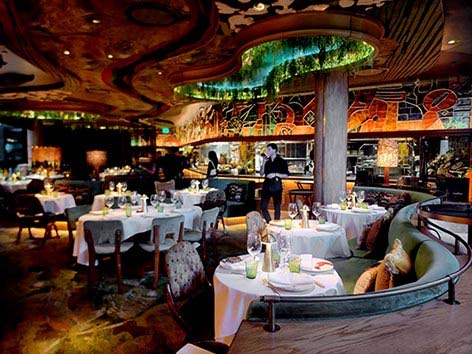 Lush greenery and Latin American-inspired décor define Amazónico Miami, a popular dining destination in Brickell.
-
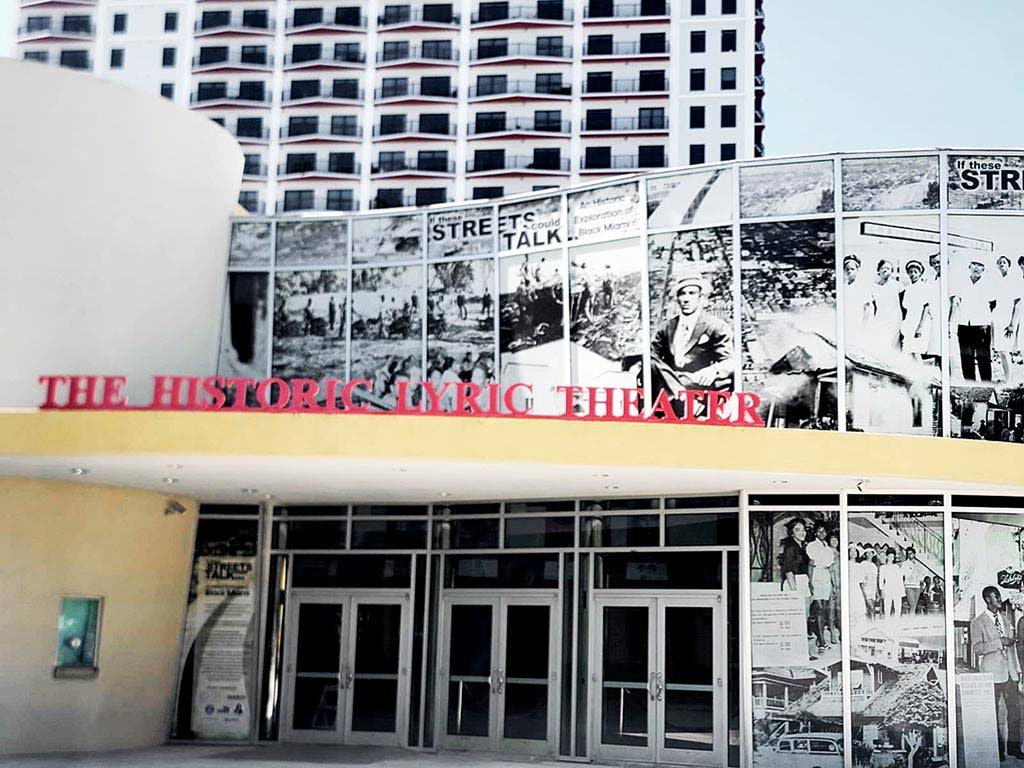 The Black Archives Historic Lyric Theater has played a pivotal role in preserving and celebrating Black culture and entertainment.
-
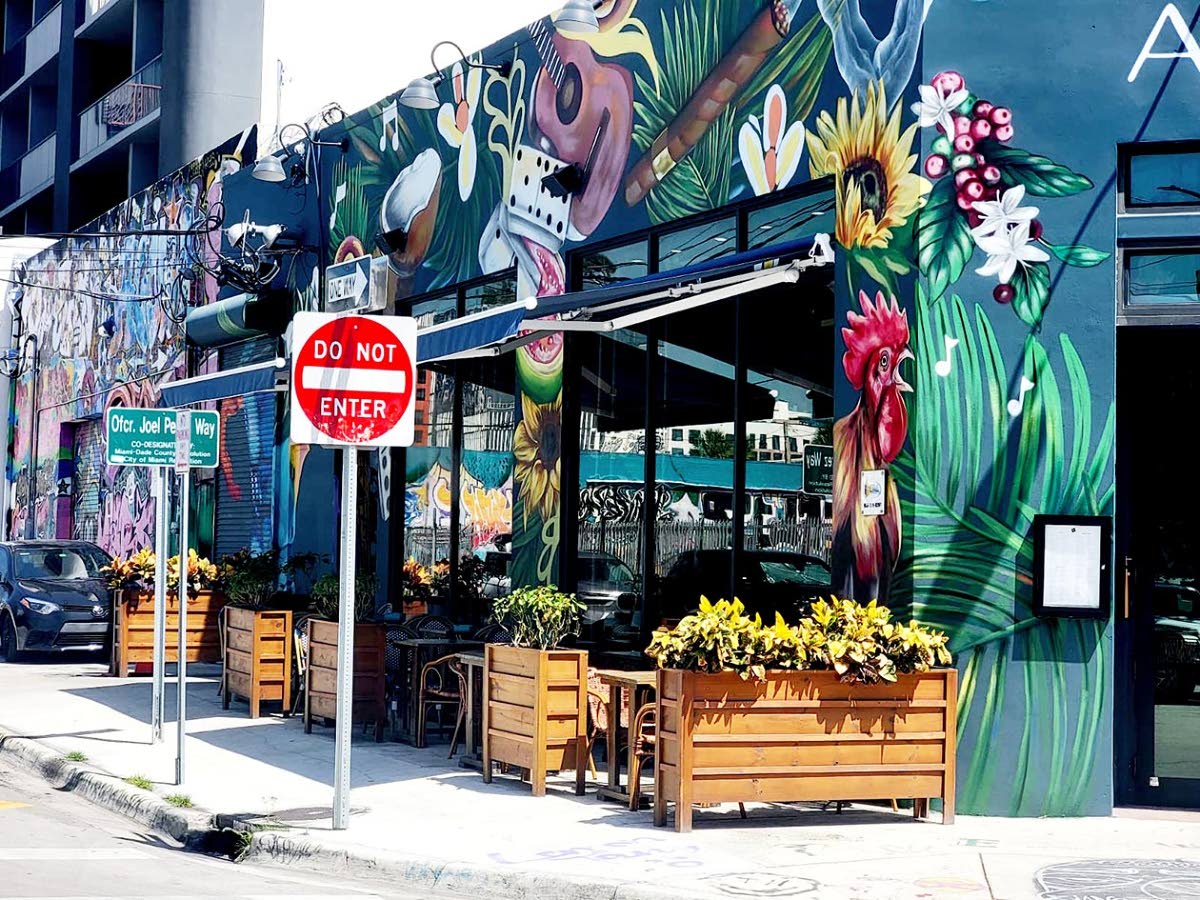 Colourful murals and striking street art make Wynwood one of Miami’s most visually distinctive neighbourhoods.
-
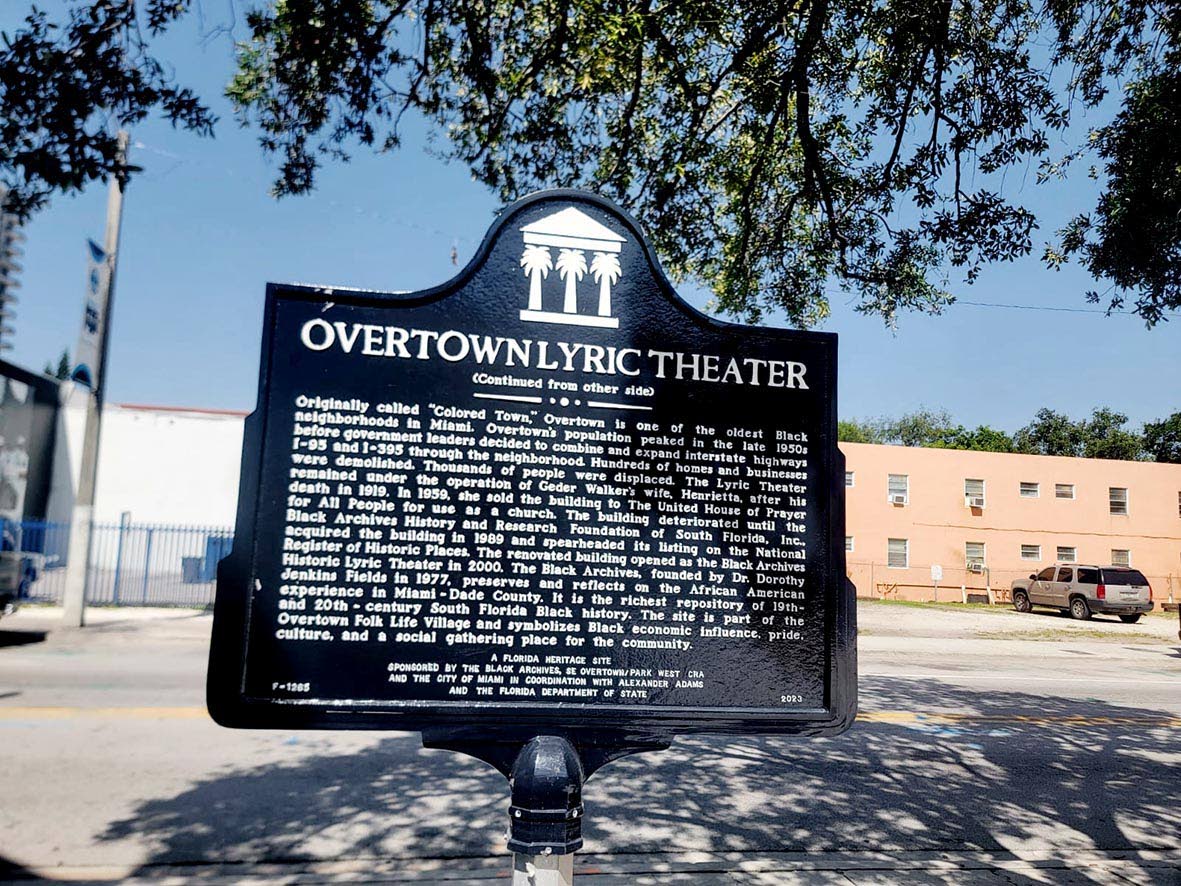 The Black Archives Historic Lyric Theater in Miami’s Overtown, an iconic venue that has long served as a cornerstone of the city’s Black cultural and entertainment history.
Miami is selling more than beaches.
That was one of the clearest take-aways from a recent Caribbean Press Tour organised by the Greater Miami Convention & Visitors Bureau (GMCVB), which took a group of Caribbean media professionals beyond the city’s familiar attractions and into communities and experiences that reveal another side of the destination.
From historic Overtown and colourful Wynwood to Little Havana, Brickell and Miami’s waterfront, the tour demonstrated how deeply history, culture, food, art and entertainment are woven into the city’s tourism product.
Overtown, with its rich artistic and cultural heritage, was an especially memorable starting point for the journey. Led by Key2MIA Tours, the experience provided an introduction to one of Miami’s most historically significant communities.
The neighbourhood was once a major centre of black life, entertainment and commerce, earning the nickname, ‘Little Broadway’, because of the entertainers who performed there. Among the landmarks on the tour was the Black Archives Historic Lyric Theater, which opened in 1913 and became an important cultural and entertainment venue for Miami’s black community.
The tour also explored the impact of segregation and the struggle for civil rights, including the history of Miami’s segregated beaches. Stories of prominent figures who visited or spent time in the area, including Muhammad Ali, Malcolm X and Sammy Davis Jr, added another dimension to the experience.
Keymia Sharpe, owner of Key2MIA, said Miami’s history cannot be separated from the stories of the communities that helped build it.
“The city’s tourism appeal, therefore, is not simply about what is new and glamorous. There is also value in understanding what came before,” she said.
CARIBBEAN CONNECTION
The Caribbean connection became even more evident at Dukunoo Jamaican Kitchen in Wynwood. The restaurant, which celebrates Jamaican cuisine and culture, offered a taste of home that was immediately familiar.
The aroma of jerk chicken greeted us before the food reached the table. Rice and peas, jerk chicken and steamed cabbage formed part of the meal, while Jamaican music and artwork reinforced the cultural connection.
Melissa P. Dunn, commissioner for the City of Lauderhill, said that, for a Jamaican visitor, there was something reassuring about encountering familiar flavours and sounds in the middle of Miami. It also demonstrated the growing influence of Caribbean culture on the city’s culinary landscape.
“Dukunoo has built its identity around Jamaican food and culture while presenting it within Miami’s contemporary dining scene,” she said.
From Jamaican cuisine, the tour moved into the visual arts. Wynwood has developed into one of Miami’s best-known creative districts, with murals, galleries, restaurants and other creative spaces transforming the neighbourhood into a major attraction.
The Wynwood Walls, in particular, have become synonymous with the area’s street-art culture. Our Art District Buggy Tour offered an opportunity to view the murals and creative spaces from a different perspective. The sheer scale and variety of the artwork were difficult to ignore.
Our host, Ryan Ferrell, also known as ‘Ryan the Wheelbarrow’, said walls that might otherwise have been overlooked had become canvases for artists from Miami and around the world.
“For an art lover, it is impossible not to stop, look and take in the details. More importantly, Wynwood demonstrates how art can become an economic and tourism asset while helping to reshape the identity of an urban neighbourhood,” he said.
Miami’s ability to transform a dining experience into entertainment was evident at Amazónico Miami. Located in Brickell, the restaurant draws inspiration from the Amazon and incorporates Latin American influences into its food, design and atmosphere.
The lush tropical décor creates an immersive setting, while the multi-level venue moves beyond traditional dining to deliver a broader entertainment experience. It is another example of how Miami continues to blend food, culture and nightlife into attractions designed to keep visitors engaged long after they have finished sightseeing.
CULTURAL CONNECTION
At the Phillip and Patricia Frost Museum of Science, the focus shifted from history and culture to exploration and discovery. Located in Maurice A. Ferré Park, Frost Science combines an aquarium, planetarium and interactive exhibitions in a four-acre facility.
The museum’s 500,000-gallon aquarium provides visitors with an opportunity to explore marine life and South Florida’s aquatic ecosystems. Its 31-foot-wide Oculus offers striking underwater views, while the 250-seat planetarium uses advanced projection technology to create an immersive experience.
However, the Extreme Sports: Beyond Human Limits exhibition particularly stood out to me.
The exhibition explored the science behind activities such as wingsuit flying, rock climbing, parkour and freediving, while allowing visitors to test elements including strength, endurance, balance, focus and decision-making.
It was science presented in a way that encouraged participation rather than passive observation.
The tour then moved into another important chapter of Miami’s cultural story: Little Havana. Centred on Calle Ocho, the neighbourhood is closely associated with Cuban-American culture and the waves of Cuban migration that helped shape Miami following the 1959 Cuban Revolution.
A culinary tour provided an opportunity to experience the neighbourhood through food and tradition. Cuban dishes, cigar rolling and the lively atmosphere around Domino Park offered glimpses into a culture that has become an integral part of Miami’s identity.
Little Havana also reinforced one of the central themes of the press tour: how migration has helped shape Miami into the multicultural destination it is today.
After days of sightseeing and exploring, Five Iron Golf Coral Gables provided an opportunity to simply have fun. The venue combines indoor golf with technology-driven experiences, including TrackMan simulators, instruction, club fittings, leagues and private events.
Then there was bowling. A time was had, especially on the bowling lanes.
The recreational stop offered a lighter ending to a packed itinerary and underscored another aspect of Miami’s tourism appeal: the ability to combine attractions, entertainment and social experiences within the same trip.
The Caribbean Press Tour ultimately presented a Miami that is more complex than its postcard image suggests. There were beaches and skyscrapers, certainly, but there was also Overtown’s black history, Wynwood’s street art, Little Havana’s Cuban heritage, Jamaican cuisine, cutting-edge science, and a thriving entertainment scene.
For Caribbean visitors, that diversity is particularly significant. Miami’s relationship with the Caribbean extends beyond geography. It is reflected in the food, music, migration stories, businesses and communities that have become part of the city’s cultural fabric.
The tour reinforced something I had long suspected: Miami is not a destination that can be fully understood from a beach chair or shopping mall. There are stories in its neighbourhoods, history in its landmarks, creativity on its walls and Caribbean connections on its plates.
Sometimes, the most interesting Miami is the one found just beyond the beaches.
keisha.hill@gleanerjm.com