Sean Major-Campbell | The bullying epidemic
Loading article...
-
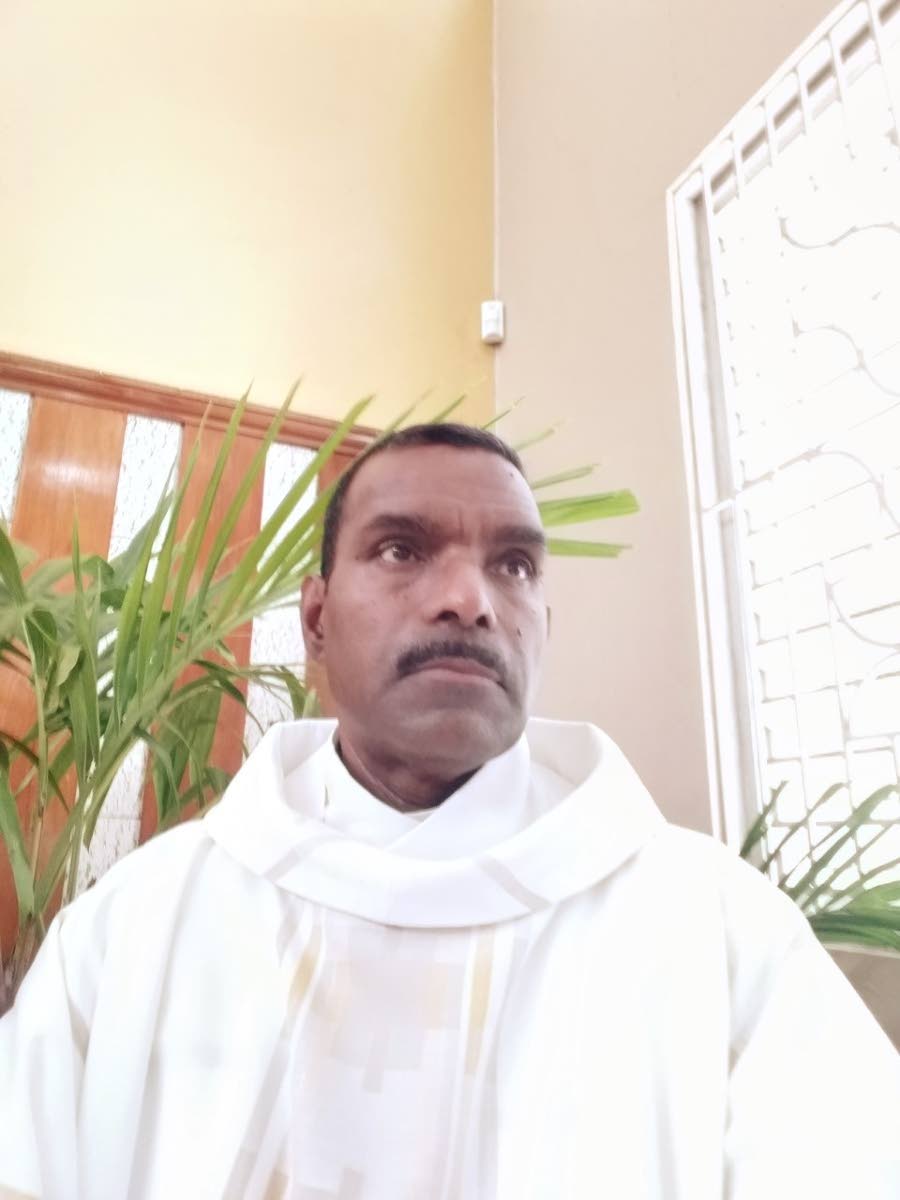 Fr Sean Major-Campbell
-
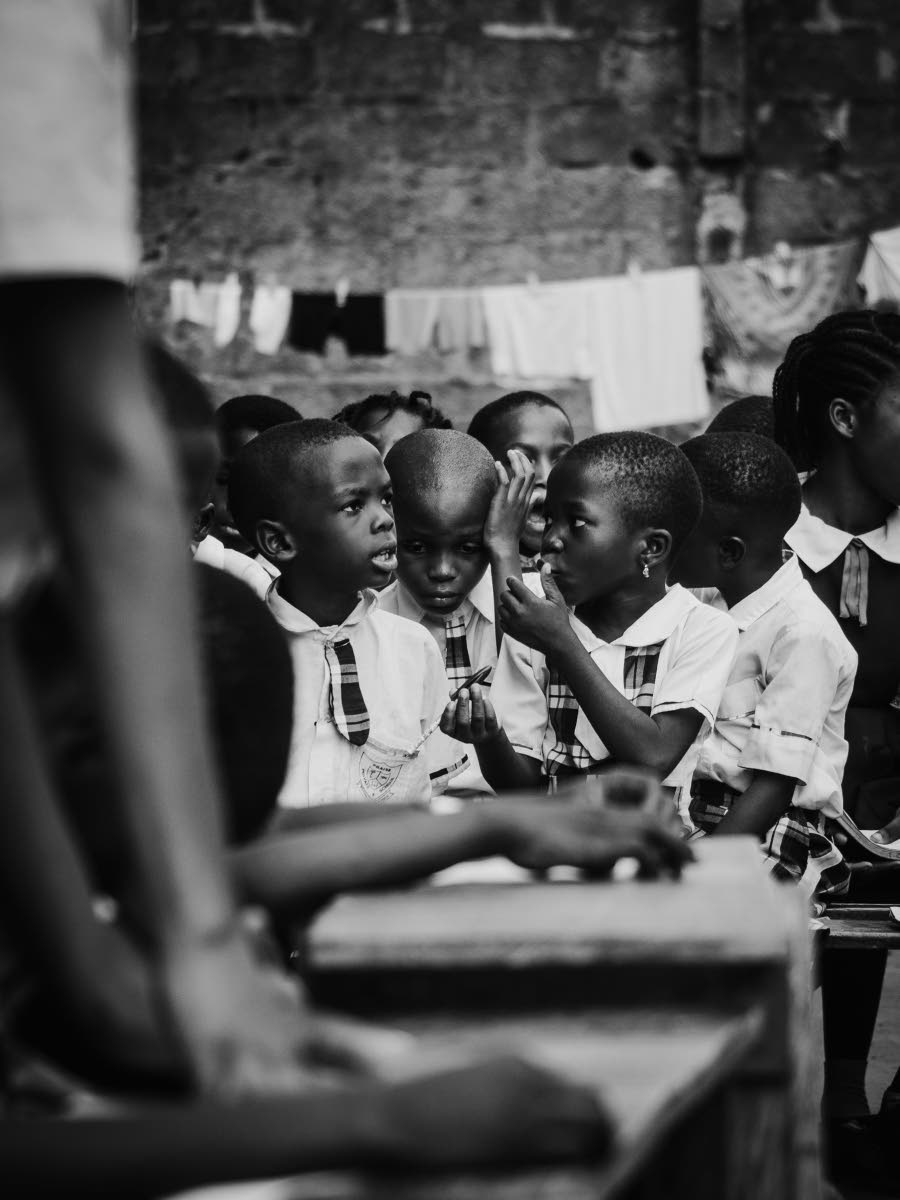 ...there is much to be said for those who understand and have the courage to stand up for those who are being intimidated.
-
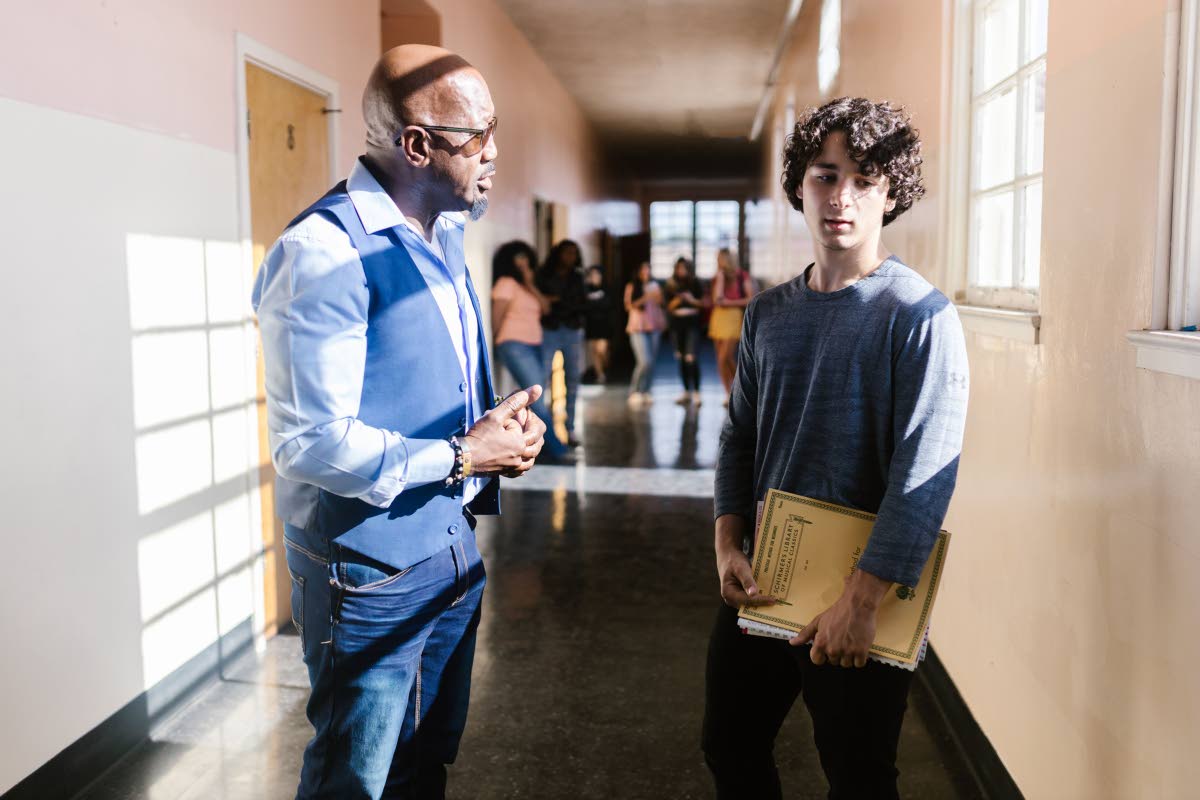 All employees are whistleblowers and avid advocates for change.
Bullying is at epidemic proportions in Jamaica. The new school year is off to the annual talk of zero tolerance to bullying. School devotions are held with lovely talks about Jesus while the golden rule is poetically celebrated.
Parents and new students are often reminded that, in the event of any bullying, they should report same to the school. The terror of bullying is often brutal. In extreme situations, victims are thrown against a wall or pushed to the ground before their bus fare or lunch money is taken. These are clear cases of crime with violence and stealing.
No school wants its name to make the news with such matters of terror. There are, however, schools which are potential newsmakers because of the prevalence of bullying. It is just a matter of time. This prevails in some tertiary contexts too.
A sad truth is that many of those who bully were themselves victims of bullying. The Jamaican society is sick. Is it any wonder that there is also bullying in some workplaces? Adult bullying is real. There is even bullying from the pulpit in some religious spaces. The US Centers for Disease Control and Prevention CDC defines bullying as “ any unwanted aggressive behavior(s) by another youth or group of youths, who are not siblings or current dating partners. It involves an observed or perceived power imbalance and is repeated multiple times or is highly likely to be repeated.”
The CDC also notes, “ Bullying can result in physical injury, social and emotional distress, self-harm, and even death. It also increases the risk for depression, anxiety, sleep difficulties, lower academic achievement, and dropping out of school.” This national crisis requires a national sensitization programme across Jamaica. Local school contexts ought to be guided by a sustainable programme that addresses the culture of bullying. The stakeholders include the entire school community. This also includes the vendors at the school gate and the stores frequented by the school community. Everyone must be sensitized re the signs of the bully and the bullied.
Parents of bullies need to hear from - Farrington D. and Baldry A., in Individual risk factors for school bullying. Journal of Aggression, Conflict and Peace Research 2010, where they state, “ Youth who bully others are at increased risk for substance misuse, academic problems, and experiencing violence later in adolescence and adulthood.” The CDC further notes, “Youth who bully others and are bullied themselves suffer the most serious consequences and are at greater risk for mental health and behavioral problems.”
Fortunately or unfortunately, telling children about heaven and hell will not bring the desired behaviour change. Since children are intelligent beings, educating them about bullying will make the world of difference. It empowers them with information about its definition, dangers, and potential outcomes for those who bully and those who are bullied. Parents should also be in on this educational experience. Giving a “zero tolerance talk” at assembly will not cut it. We have been doing that for years.
We could also do with ally-support groups in schools. This is where members of an extracurricular club are trained and equipped to effectively intervene with various skills without subjecting themselves to harm. All employees are whistleblowers and avid advocates for change. Wider community members are also on the lookout for these situations. The stern lecture from the principal or dean of discipline alone will not suffice.
The hidden curriculum may be used to help children understand principles of the African proverb when it says, “An elephant which kills a rat is not a hero.” Facilitate their realising how their cowardice, insecurity, and fear are exposed when the stronger and the larger overpowers the smaller and the weaker. Above all, there is much to be said for those who understand and have the courage to stand up for those who are being intimidated.
Be Warned: In a country where many speak about God, Bible, and Christianity, apparently many have not heard from the Book of Proverbs 3:34, “God mocks proud mockers but shows favour to the humble and oppressed.” On which side does your child stand in school? Are you okay with your child being among the ranks of the proud mockers? And does any parent want their child to be the ones who are oppressed?
Believers have long found inspiration from the prophet Isaiah who celebrates faith in God for the oppressed. Those living with bullying do well to recall Isaiah 41:10,
“ So do not fear, for I am with you; do not be dismayed, for I am your God. I will strengthen you and help you; I will uphold you with my righteous right hand.”
Those who bully are often on their way to losing. They do not know it now. However, it catches up with them. The way of the world is hype and haughtiness. The weak feel strong in their arrogance. They do not realise that their crassness and crude behaviour are only for a season. In their adult lives, some bullies are still paying for their history of mistreating and abusing others in earlier years. If you are the parent of an adolescent bully, you may want to know that they are at increased risk of criminal behaviour and imprisonment later in adult life!
I dream of a day when Jamaican schools will engage more with practices of meditation. I dream of a day when there will be deliberate teaching regarding empathy and compassion. I dream of a day when human rights and dignity will be actively taught in our schools. Let us change our culture and epidemic of bullying with new ways of being. Let us empower our children to stand united against bullying.
Remember, next time you observe Mental Health Day and Suicide Prevention Day, to advocate for a more peaceful society, starting in our homes and schools.
Fr Sean Major-Campbell is an Anglican priest and advocate for human rights and dignity. Please send feedback to columns@gleanerjm.com and seanmajorcampbell@gmail.com