Earth Today | Experts support call for science to drive climate action
Loading article...
-
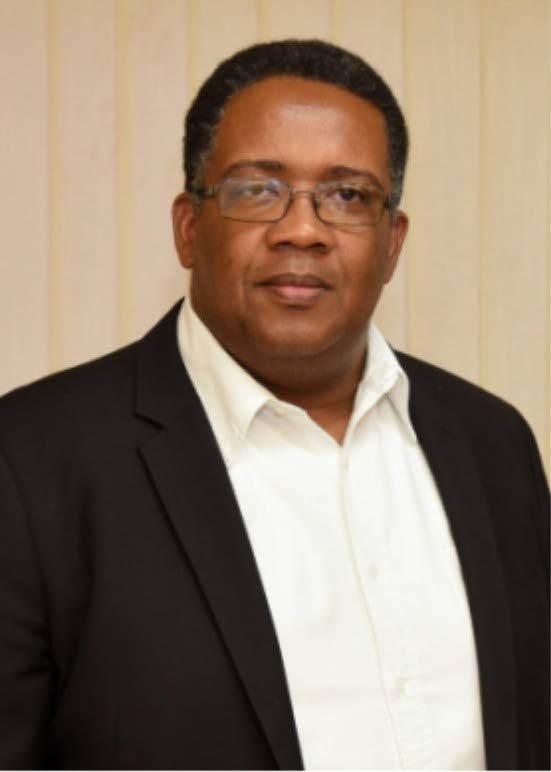 Prof Michael Taylor
-
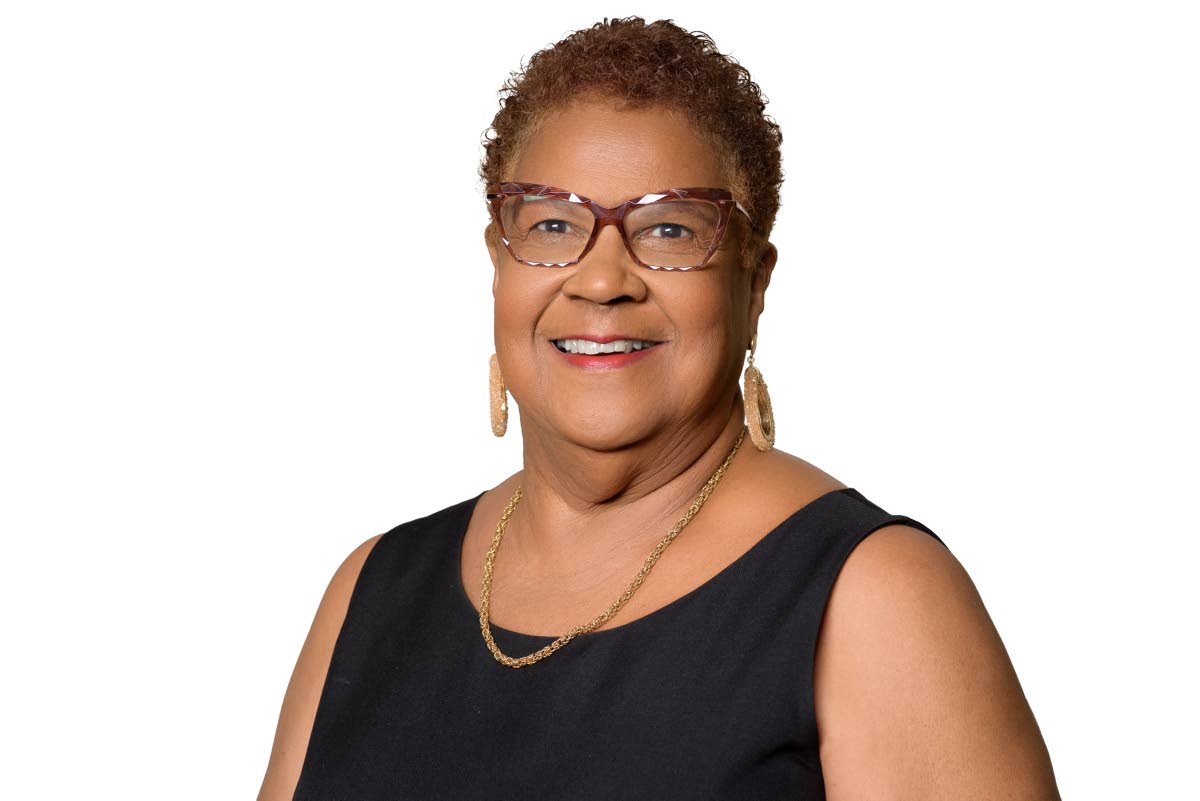 Eleanor Jones
LOCAL EXPERTS have stressed that it is time to ensure science is more efficiently translated into policies, plans and investments that shape the response to climate change.
“It is now more critical than ever that we pay attention to the science in our policymaking. It’s not difficult. We know what to do,” Eleanor Jones, head of the consultancy firm, Environmental Solutions Limited, told The Gleaner, reflecting on the findings from a recent publication of the United Nations Environment Programme.
Titled Limiting overshoot: Navigating exceedance of 1.5 degrees Celsius and pathways towards return, it flagged the need to elevate the science, in order to get ahead of the climate threat.
“Decision-makers must be able to identify emerging knowledge needs, while researchers, practitioners, and traditional knowledge holders need channels through which observations and experience can rapidly inform assessment and action,” the report said.
“This requires moving beyond periodic transfers of knowledge towards sustained exchange, in which policy questions help shape research and monitoring, and decisions are revisited as evidence and conditions evolve,” it added.
The recommendation comes against the background of the publication’s revelation that the world is on track to, if only temporarily, exceed the 1.5 degrees Celsius temperature limit set under the Paris Agreement, while global efforts to reduce emissions remain insufficient and are not being implemented quickly enough.
According to the report, the implications are far-reaching, especially for small island developing states (SIDS).
“Risks and impacts include faster sea-level rise, a higher likelihood of collapse of ecosystems such as coral reefs, more extreme heat and wildfires, and profound changes to the cryosphere (ice sheets, sea ice, glaciers, permafrost and snow),” the report said.
“While there are uncertainties around the timings and strength of these impacts and tipping points, it is clear they will harm people, societies and economies, particularly in SIDS and low-lying cities, some of which face partial or complete submersion,” it added.
Given these realities, like Jones, Professor Michael Taylor – a Jamaican physicist who contributed to the special report on 1.5 degrees of global warming, done by the Intergovernmental Panel on Climate Change – agreed with the need to elevate the place of science.
The report, he said, is a timely reminder of the value of science and its “timely translation” into action.
“The report is highlighting that gap between the knowledge that we generate, the decision-making that we do and on what basis we do that decision-making. The science can help us do better decision-making. And especially in the kind of rapidly changing climate that we have, we need to use the science,” Taylor said.
The challenge, he suggested, is that “we haven’t figured out how to close that gap between knowledge and decision-making”.
“We haven’t designed the systems in which science can continually inform decisions and where decisions and decision-making systems can also be adjusted as the climate continues to change and change rapidly. And so we really have a challenge in front of us,” he suggested.
Jones, a geographer and former educator, said there is enough to get started, certainly in Jamaica and the Caribbean.
“We have to just pay attention and apply the knowledge. We have a very strong climate studies group. We have the information available to us. We have technical people who can provide the level of advice that needs to be integrated and not shoved it aside,” she said.
“And it’s not just the physical science. The social science is also very important because people are, and should be, at the centre of our decision-making,” Jones added.
pwr.gleaner@gmail.com