Earth Today | ‘Keep 1.5 alive’
Loading article...
-
-
 Rasmussen
SMALL ISLAND developing states (SIDS) are insisting that countries set clear, concrete commitments to strengthen the global response to climate change and put the world back on a path towards the 1.5 degrees Celsius goal.
This temperature goal is considered a critical threshold for limiting devastating climate change impacts – from extreme weather events to impaired food and water security, compromised public health, and disrupted national economies.
“The best available science shows we have to get down below 1.5 degrees Celsius to minimise or prevent the risk of rapid ice sheet loss in the long-term. Each fraction of a degree of warming increases the risk of irreversible sea level rise (SLR),” noted Anne Rasmussen, lead climate change negotiator with the Alliance of Small Island States (AOSIS).
“Yet we have had to watch in horror as our brothers and sisters in Nepal experience actual catastrophe. In Fiji, plans are advancing to relocate communities as climate change intensifies sea level rise, landslides and extreme rainfall. In the Caribbean, drought-struck farmers and citizens are facing no relief, all while grappling with extreme heat,” she added.
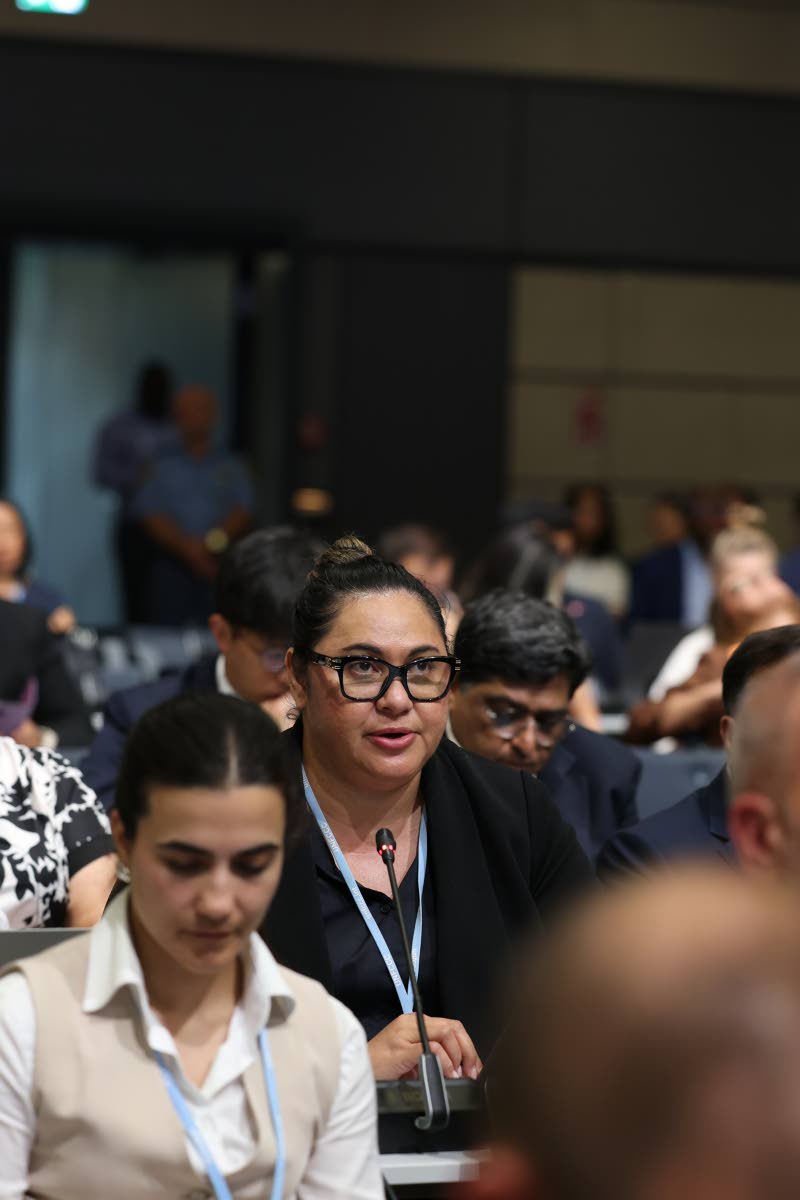
Rasmussen was delivering AOSIS’ press statement on Tuesday in New York, where world leaders are gathered for the 81st meeting of the United Nations General Assembly (UNGA). AOSIS represents the interests of 39 small island and low-lying coastal developing states in global climate change and sustainable development negotiations.
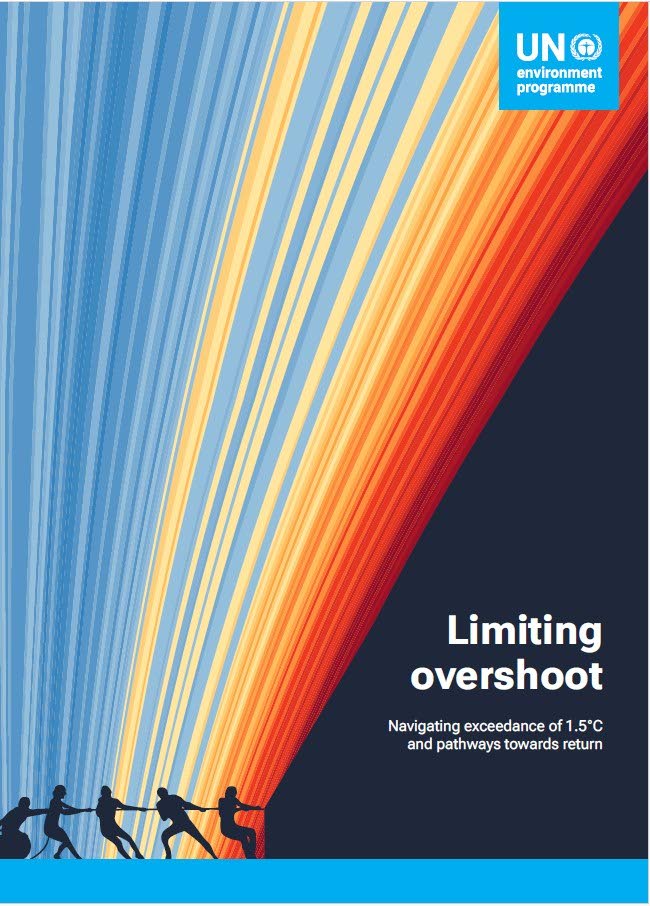
The negotiator’s comments come in the wake of a recent UN Environment Programme report, which warns that the world will, at least temporarily, exceed the 1.5 goal.
Titled Limiting overshoot: Navigating exceedance of 1.5 degrees Celsius and pathways towards return, the report warns that, at 1.5 degrees of warming, the climate impacts will be especially challenging for SIDS, and used SLR as one example of this.
“For SIDS and other low-lying island territories, SLR under overshoot is not just a future submergence problem. Some islands will lose their habitability long before they become completely submerged. This collapse of habitability has already begun,” it said, citing research, including from the Intergovernmental Panel on Climate Change.
“Storm surges are pushing further inland, freshwater lenses and farmland on atoll islands are turning salty, coastal-buffering ecosystems such as coral reefs are being lost, and high-tide flooding now reaches further inland and happens more often than at any time in the historical record. A further five-to-10 centimetres of SLR – expected between roughly 2030 and 2050 – is projected to double the frequency of flooding across much of the Indian Ocean and tropical Pacific,” it added.
The hope is that the report may serve as a wake-up call.
“1.5 degrees Celsius is not an arbitrary goal that would be nice to achieve. It is the legally affirmed limit, endorsed by the UNGA, committed to by countries to protect people, ecosystems and economies,” Rasmussen said.
“The best available science shows that limiting the magnitude and duration of overshoot, and getting global warming back under 1.5 degrees Celsius, is indeed possible. We absolutely cannot surrender our pursuit of 1.5. The pathways … have already been laid out through the Global Stocktake. We all know what we must do: transition away from fossil fuels in a just manner, triple renewables and double energy efficiency by 2030, and achieve net-zero emissions by 2050,” she added.
pwr.gleaner@gmail.com